

How Freedom House Helped Shape Modern Emergency Care
The story was originally published in The Observer with support from our 2026 California Health Equity Fellowship.

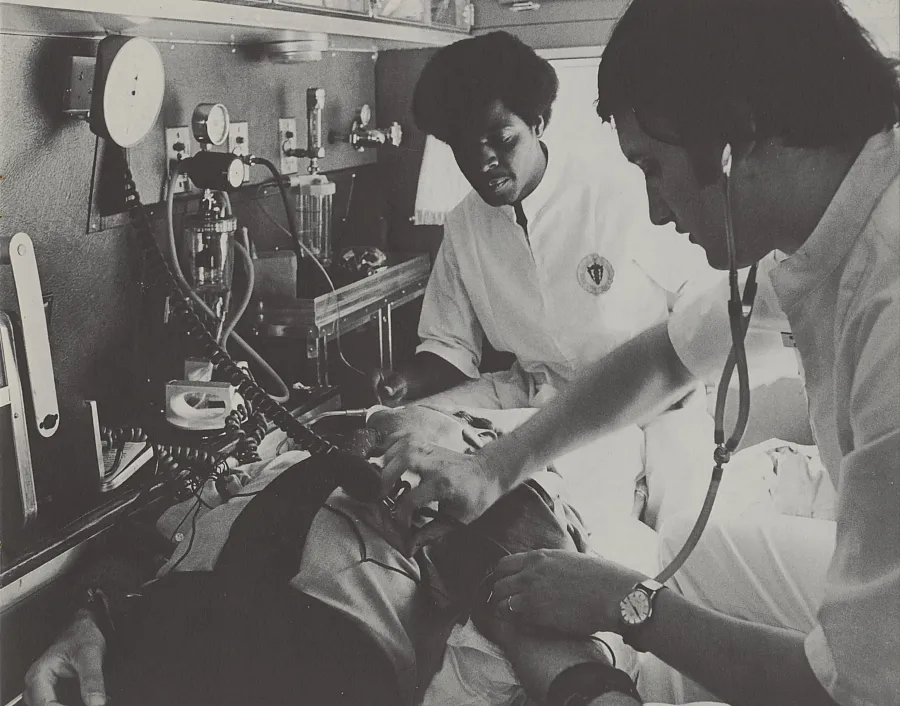
Photo Courtesy: Maurice Falk Medical Fund Records, MSS 207, Detre Library and Archives, Heinz History Center
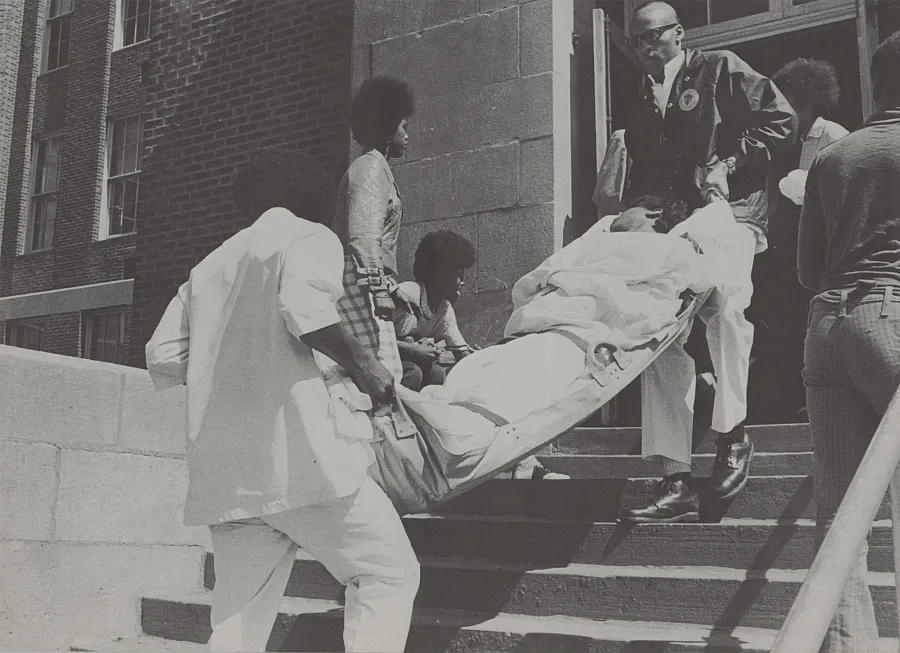
Photo Courtesy: Maurice Falk Medical Fund Records, MSS 207, Detre Library and Archives, Heinz History Center
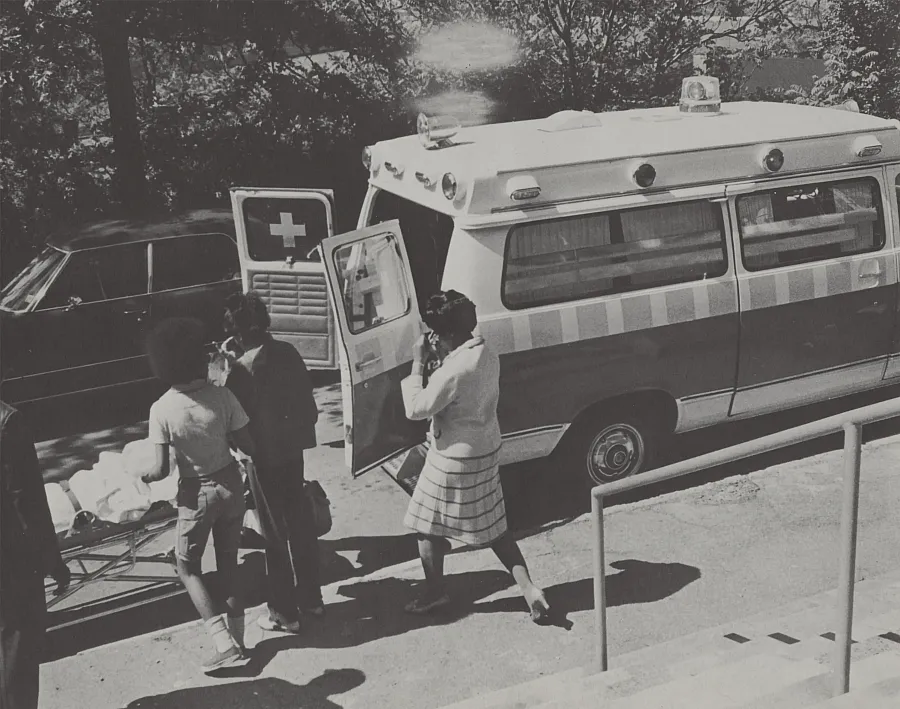
Photo Courtesy: Maurice Falk Medical Fund Records, MSS 207, Detre Library and Archives, Heinz History Center
When excluded from mainstream institutions, African Americans have historically turned to their own ingenuity to bridge critical gaps.
Discriminatory practices, “redlining” and segregation created the need for independent institutions such as Black-owned banks. Barred from entering department stores or trying on clothes in dressing rooms during the Jim Crow era, Black women responded by sewing their own garments, supporting local Black-owned dressmakers and tailors, and launching “don’t buy where you can’t work” boycotts.
Legally barred from white-controlled health care, Black communities created their own medical systems. Communities relied heavily on herbalists, spiritual healers and midwives. Later, more than 500 Black-owned hospitals, nursing schools and medical societies were established to provide equitable care.
These community-led solutions actively challenged systemic exclusion, fostering trusted, culturally responsive spaces that often surpassed the exclusionary systems that necessitated their creation in the first place.
Founded in Pittsburgh in 1967, the Freedom House Ambulance Service became a beacon in the health space and a pioneer among first responders. Black residents of the Hill District often were denied transport. In most cases, when they called for help, it was the police who showed up with little more than a paddy wagon and a stretcher. Finally, a Freedom House Enterprises group teamed with a small, biracial group of benefactors, civil rights leaders and health professionals to take matters into their own hands.
Freedom House operated until 1975 during the era before universal 9-1-1 and empowered young Black men as skilled medics. Many were Vietnam War veterans and others who were deemed “unemployable.” They’d also had bad experiences with ambulances and wanted better treatment for their families and the wider community.
They were trained by Dr. Peter Safar, the “father of CPR,” and were among the first to treat cardiac arrest with chest compressions, rescue breathing and intubation outside of a hospital, and to travel with EKG machines and a variety of medications to administer on scene. Their work shaped the modern Emergency Medical Services (EMS) system.
Decades later, the legacy of this pioneering service continues to serve as a vital blueprint for equity. The Woodson Center, a Washington, D.C.-based nonprofit, features Freedom House in its K-12 educational curriculum, offering hands-on K-8 activities and primary source-based case studies for high school students. This curriculum aligns with national social studies and ELA standards, helping educators use the history of race, health care, and community resilience to spark critical thinking in the classroom.
A comprehensive teacher’s guide provides the tools to teach students about Freedom House’s historical significance, the inequities in emergency response systems, and the importance of grassroots initiatives.
Ultimately, the center maintains that preserving these often-overlooked stories ensures that the experiences of history makers remain a source of wisdom, providing essential lessons that help future generations build upon the progress of the past.
Freedom House Ambulance Service also is highlighted in the book “American Sirens: The Incredible Story of the Black Men Who Became America’s First Paramedics,” by Kevin Hazzard, and the documentaries “Freedom House Ambulance: The FIRST Responders” and “Heroes on Call: The True Story of the Freedom House Ambulance Service,” which won an Emmy in 2023.
In a 2024 Forbes magazine article, Arthur L. Kellermann, an ER doctor, public health researcher and patient advocate, lauded the trailblazing medics’ achievements. Dr. Kellerman acknowledged that despite serving on a 2006 committee tasked with reporting on “The Future of Emergency Care in the U.S. Health System,” he and his team completely failed to recognize Freedom House’s pivotal role.
“At a time when affirmative action and DEI are under attack, stories like this one must be told,” Dr. Kellermann wrote.