

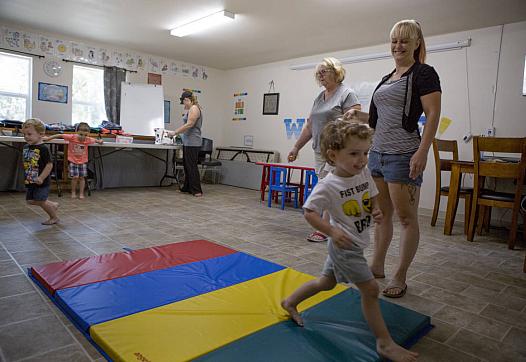
Emotional neglect, physical abuse, divorce, a household riven by addiction — science shows that traumas like these in childhood cause poorer health later in life, both mentally and physically.
Emotional neglect, physical abuse, divorce, a household riven by addiction — science shows that traumas like these in childhood cause poorer health later in life, both mentally and physically.
This story was produced as part of a project for the Dennis A. Hunt Fund for Health Journalism, a program of the USC Annenberg Center for Health Journalism.

A new study looking at survival rates of black, Hispanic and white children finds that racial disparities for some cancers can actually be explained by socioeconomic status.
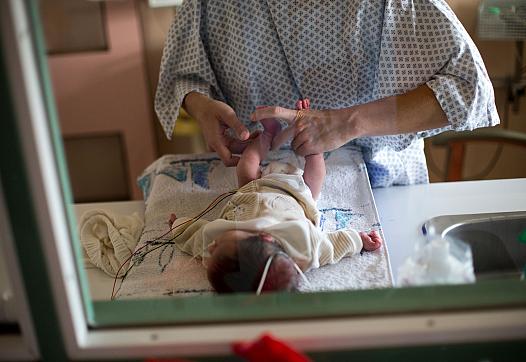
The challenge for journalists covering the country’s unchanged perinatal mortality rate is to go beyond the hospital setting, says Boston University's Eugene Declercq.

“Access varies quite dramatically depending on where you are,” said Kim Lewis of the National Health Law Program. “There isn’t a lot being done to ensure accountability in each county.”

Do you live near an oil or gas production facility in Southern California? Look up your neighborhood here.
Due to lack of funding and stigma, law enforcement is often on the front lines for mental health crises and the aftermath of suicides in California's Mendocino County.

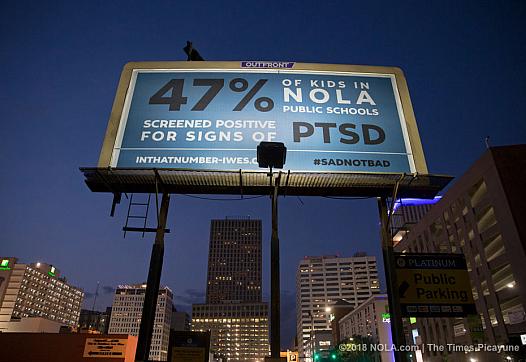
On the heels of the fellowship series "The Children of Central City," the New Orleans City Council recently approved a resolution calling for a citywide approach to childhood trauma.
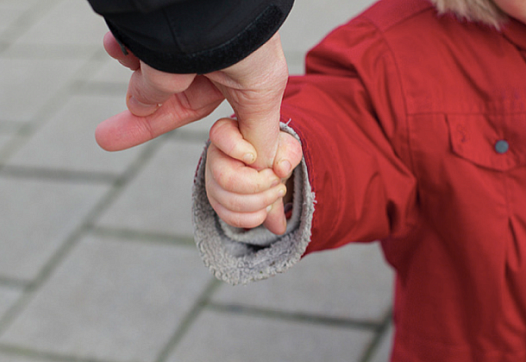
First 5 supports a host of different programs. That can make it difficult to assess what kind of impact the spending has made over the years, observers say.
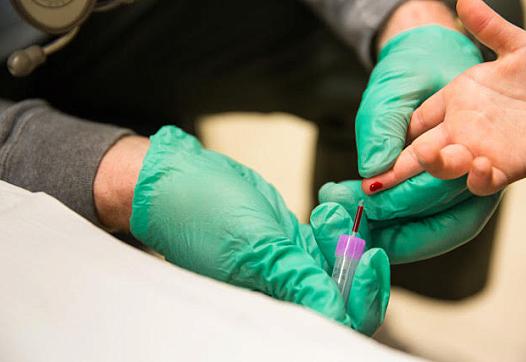
A family with a young child in Los Angeles found dangerous levels of lead in their rental. But they haven't been able to find another home in the region's extremely tight housing market.