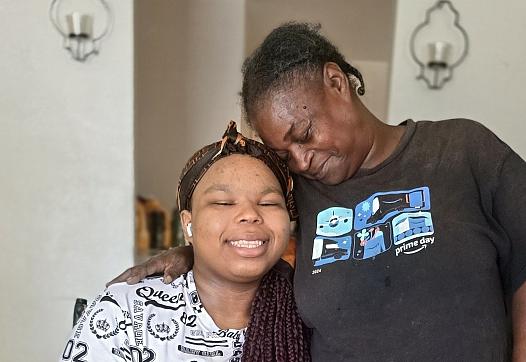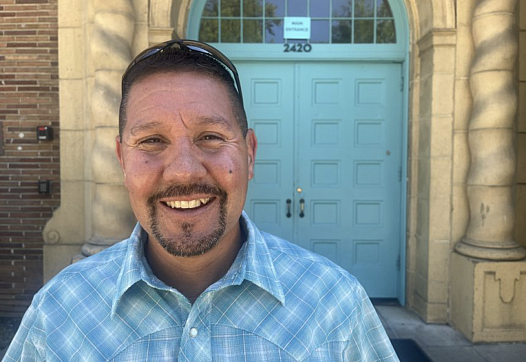
J Vasquez pasó 25 años preso desde los 16 por violencia pandillera ligada a trauma infantil. Hoy, a los 49, sanó y trabaja como director de política en CURYJ, escribiendo leyes para ayudar a otros.
J Vasquez pasó 25 años preso desde los 16 por violencia pandillera ligada a trauma infantil. Hoy, a los 49, sanó y trabaja como director de política en CURYJ, escribiendo leyes para ayudar a otros.
J Vasquez spent 25 years incarcerated for gang violence rooted in childhood trauma. Now 49, he's healed, works as CURYJ's Policy Director, and helps writes laws to help others come home.
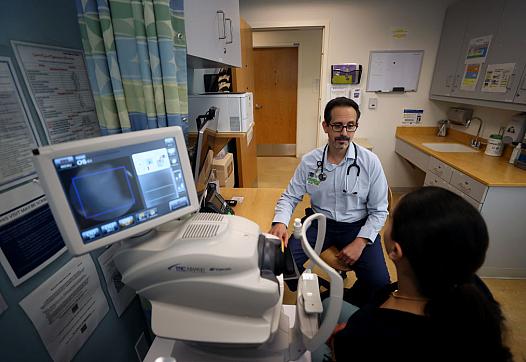
As the primary care landscape shifts, who gets left behind?
Nichelle Nichols’ estate won a $13 million wrongful-death verdict over claims that failures at a New Mexico emergency room led to the “Star Trek” icon’s death.
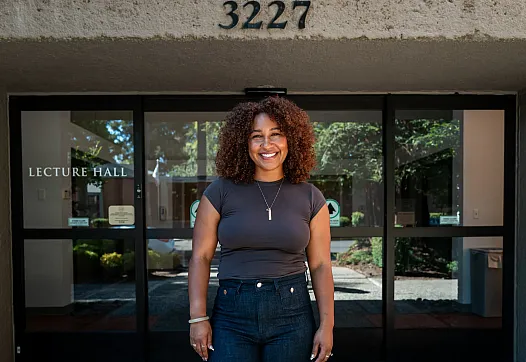
ER nurse Anisa Nesbitt says more Black health care providers can build patient trust, while helping future nurses confront bias and prioritize compassionate care.
Stanford ER physician Dr. Italo Brown combines emergency care, teaching and community outreach to push for greater representation and health equity in medicine.
Black patients with lupus and sickle cell disease describe ER visits marked by dismissal, bias and fear, while advocates point to broader inequities in emergency care.

With Medicaid cuts looming in 2027, the state is doling out its federal lifeline slowly, raising questions about whether the money will land where it's needed in time.

Trump’s war on ‘gender ideology’ and diversity is hurting San Francisco Asian Women’s Shelter’s ability to help victims — many of whom can’t get help anywhere else. It’s already cost them nearly $500,000.