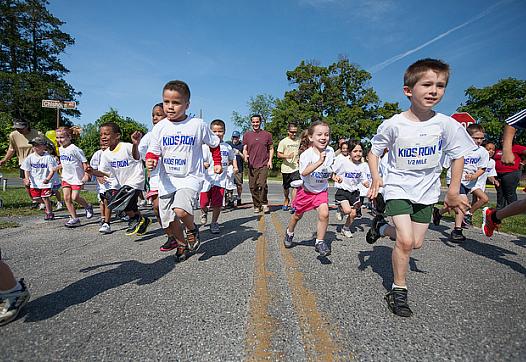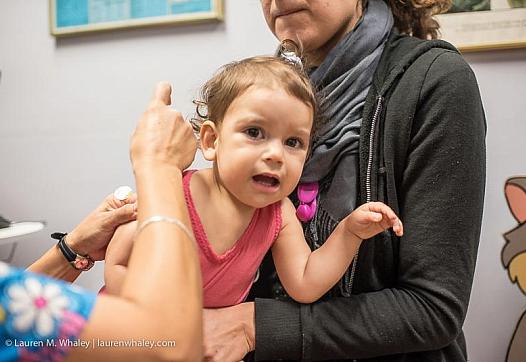
While states such as Texas and Florida have repeatedly rejected efforts to expand Medicaid in the first place, California is on the verge of expanding public health coverage to include undocumented children. But will they be able to find access to care in an already crowded Medicaid system?
Children & Families
A growing body of evidence suggests that a child’s exposure to trauma and stress can have profound mental and physical health consequences later in life. Arielle Levin Becker recently set out to explore that link and collected some key reporting lessons along the way.
As teens age out of pediatric care, there's often a lag that can stretch on for years before they enter the fold of adult primary care. For young adults with chronic illnesses, that gap poses real risks. A recent study outlines the scope of the problem, even as progress on the issue remains stalled.
In the wake of Freddie Gray’s death, Baltimore residents took to the streets in protest. The best media coverage showed how years of neglect have crippled West Baltimore economies, fostered distrust and violence, and put a long, healthy life entirely out of reach for many residents, Gray included.
The privilege that has allowed parents to refuse immunizations for their kids stems not from economic or educational status — it springs from the privilege of not having seen the horrific diseases that ravaged U.S. children just two generations ago, and continue to do so worldwide.
When reporter Arielle Levin Becker set out to interview families involved in a home-visiting program, she found unexpectedly difficult. The reservations voiced by potential sources ultimately led her to rethink how she approaches interviews in general.
Children consume a bigger proportion of their daily calories from added sugars than adults, and the concerns go beyond nutrition. New research suggests that fructose can activate the brain's reward regions and generate hunger and cravings for other high-calorie foods.
It's easy for the headlines on health stories to go way beyond what the study itself actually supports. That happened this week in coverage of new research on how physically active preschoolers are. It serves as a good reminder to acknowledge any given study's limitations.
SF Chronicle health reporter Erin Allday really didn't want to cover an appearance by the discredited scientist Andrew Wakefield, but her editors sent her anyway. Here she shares how she approached the assignment, dodged the topic's potential pitfalls, and ended up with a well-received A1 story.
As a multimedia journalist, I tell stories using video, photography, radio and writing. For a recent series of data-heavy stories on vaccines, I focusing mainly on writing. But as I came to realize, I should have paid more attention to the images. Here's why.