

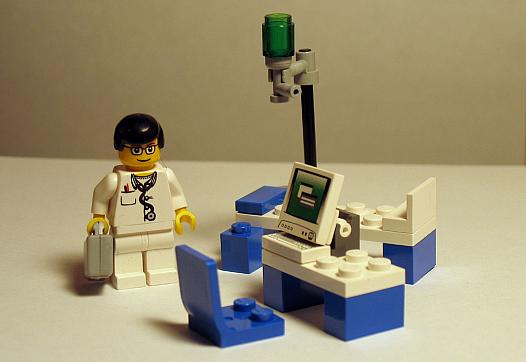
Tomorrow, doctors will still be taking care of their patients, regardless of the Supreme Court's decision on health reform.
Tomorrow, doctors will still be taking care of their patients, regardless of the Supreme Court's decision on health reform.
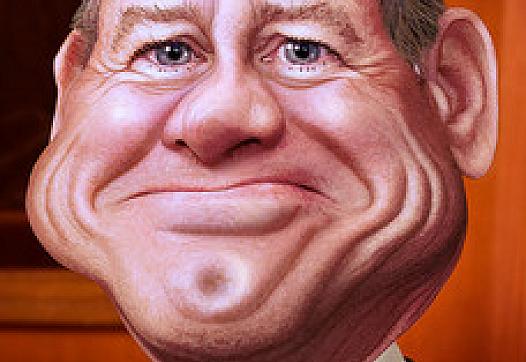
The court ruled that the individual mandate was constitutional, defining it as a tax, with Chief Justice John Roberts joining the more liberal justices in the majority. However, the court limited the federal government's power to cut off Medicaid money going to states....
With the Supreme Court poised to issue its ruling on “Obamacare” any day now, many of us find ourselves wondering whether our nation’s highest court will ...make it MORE difficult for this country to achieve what virtually every other industrialized nation already guarantees as a fundamental human r
What Americans should know about the immediate aftermath of the Supreme Court decision on health reform.
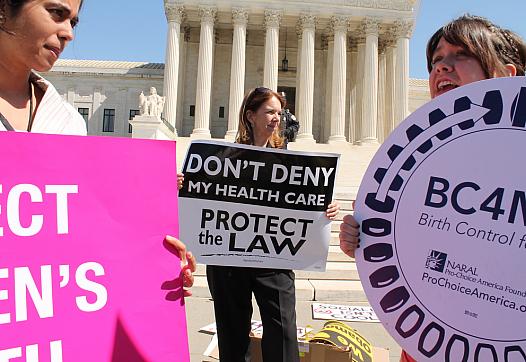
Big stakes for California in Supreme Court health reform decision, pesticide risk for farmworkers investigated, Celebrex documents unsealed and more from our Daily Briefing.

<p>If you’ve joined the Pinterest revolution, you understand how important those Saturday morning pinning sessions can be for your wardrobe, DIY projects and your dream wedding planning (that you will forever hide from your novio). If you haven’t discovered the wondrous collection of organized pinni
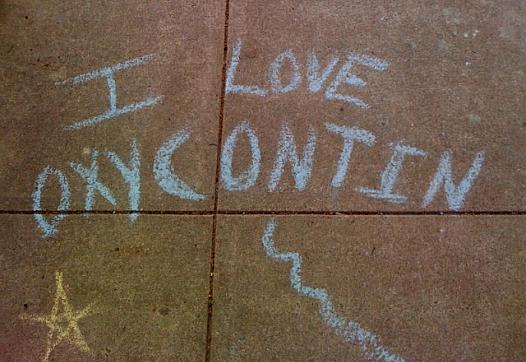
<p>A U.S. Senate panel is investigating the role of The Center for Practical Bioethics in Kansas City in the current painkiller abuse crisis.</p>
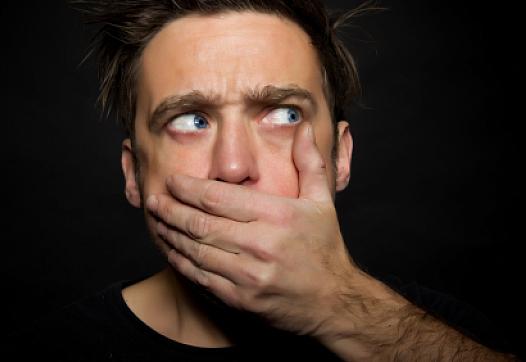
<p>Antidote has received some disturbing communications from a bioethics journal we reported on. Read on for the back story.</p>
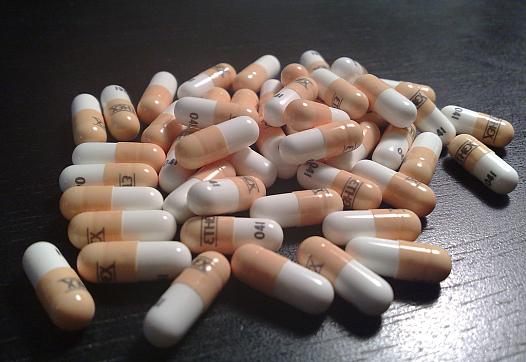
<p>Getting off an addictive painkiller, antibiotic prescriptions for cows, news on hot flashes and more from our Daily Briefing.</p>
<p>RNs accept ABC's Revolution challenge & lose, lose, lose!</p>