

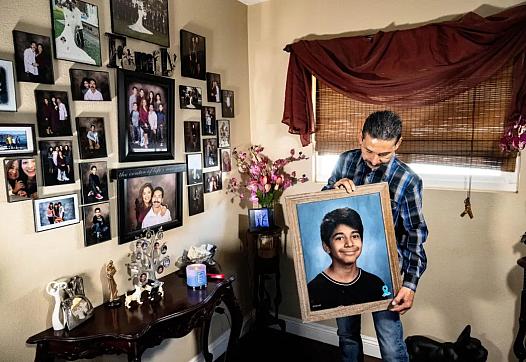
Diego Stolz, 13, was fatally assaulted at Landmark Middle School in 2019, but wrongful death lawsuit probably won’t be heard before 2023.
Diego Stolz, 13, was fatally assaulted at Landmark Middle School in 2019, but wrongful death lawsuit probably won’t be heard before 2023.
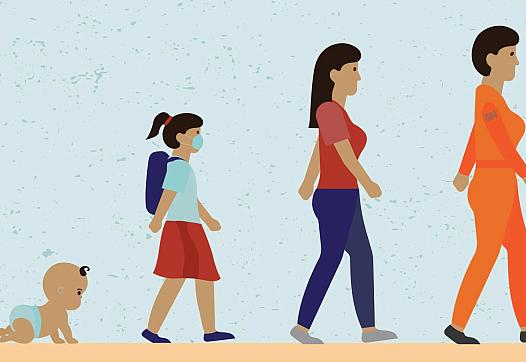
School-based juvenile justice complaints decreased when children were not in school during the pandemic, but what about now?

When schools shut down at the beginning of the pandemic in 2020, juvenile delinquency complaints decreased. Here’s what it means — and what it doesn’t.
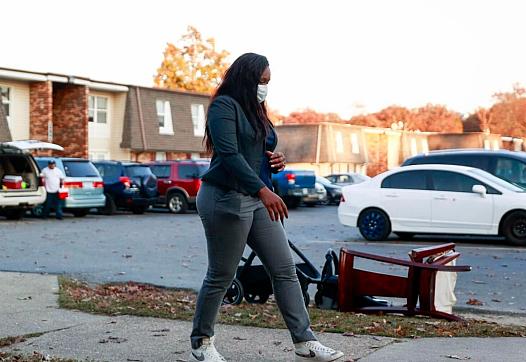
How policy decisions and limited investment in Virginia made Latinos the most likely to get infected, hospitalized and die.

Despite the attention the 2003 report garnered, the nation has failed to make significant progress in addressing health disparities, said Brian Smedley.
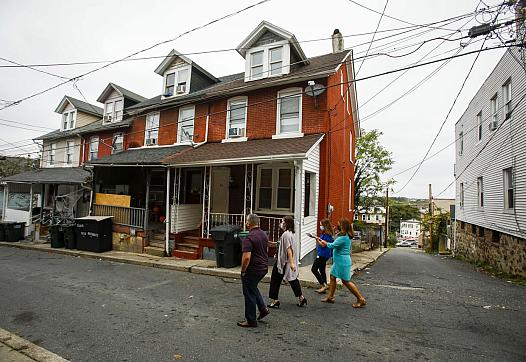
Alicia Creazzo will never forget the day three children showed up on her doorstep at Broughal Middle School with their cat in a backpack.
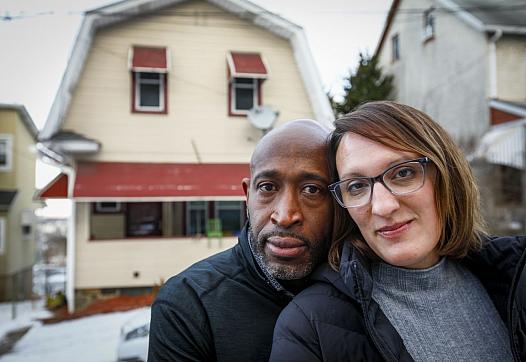
This article was produced as part of a project for the USC Annenberg Center for Health Journalism’s 2021 National Fellowship, which provided training, mentoring, and funding to support this project....

South Bethlehem is shedding its gritty, industrial roots for a new chapter that current residents hope doesn’t leave them behind.
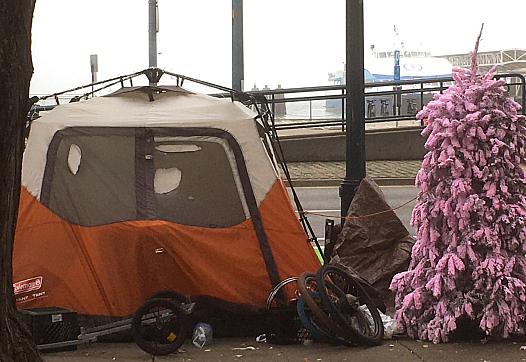
We should know in a few months how many people are living on our streets, but that’s just a start.

This article was produced as part of a project for the USC Annenberg Center for Health Journalism’s 2021 National Fellowship, which provided training, mentoring, and funding to support this project....