

Description
Our National Fellowship helps journalists and their newsrooms report deeply and authoritatively on the well-being of children, families and communities. The program prepares fellows to report a major enterprise health or social well-being reporting project in the months that follow our initial week of intensive learning in Los Angeles.
The competitive five-month program provides journalists with a chance to step away from breaking news to take a deep look together at pervasive inequities in the United States, including disparities rooted in geography, race, gender and income. Our program places strong emphasis on the ways in which environmental and community conditions can influence how long and how well we live. The program helps Fellows craft projects that engage communities from the start and shares hard-won insights on how to land big projects that deliver maximum impact for communities. These are projects that change laws, address chronic ills and change hearts and minds.
Our in-person learning intensive provides many opportunities for conversations and learning with nationally renowned experts, policy analysts and community health leaders; with top journalists in the field; and with each other. That’s followed by ongoing mentoring and virtual meetings for five months to support Fellows to cross the finish line with a marquee project.
Admitted Fellows receive:
- Reporting grants of $2,000-$10,000
- Multi-day sessions with informative and stimulating discussions
- Five months of professional mentorship, including skills-building workshops
Fellows also are eligible to apply for five months of professional mentorship in engaged journalism and $1,000-$2,000 to support those creative efforts.
Reporting themes we support
We embrace a broad view of community health that focuses on how well-being is shaped by what happens outside of doctors' offices and hospitals. Health is shaped by our environment — our schools, our neighborhoods and our communities. We strive to admit Fellows whose work reflects that.
Here are a few broad reporting themes we support in Fellowship proposals:
- Child, youth and family well-being
- The root causes of inequities
- The school-to-prison pipeline (including juvenile justice) as a health issue
- Maternal and infant health and intergenerational trauma
- The mental health of children and families
- How conditions in schools, communities and the environment shape health
- Systemic barriers tied to poverty, race and economic opportunity
- Healthcare and public health systems and design and inequitable outcomes
Interested in applying? The application deadline for 2026 has passed. If you would like to apply for 2027, please fill out the contact form below and someone from our Center will reach out to you.
Sign-up for our newsletter as well for updates and deadlines for future opportunities to apply.
Don’t see your question answered there? Reach out to us at chj@usc.edu.
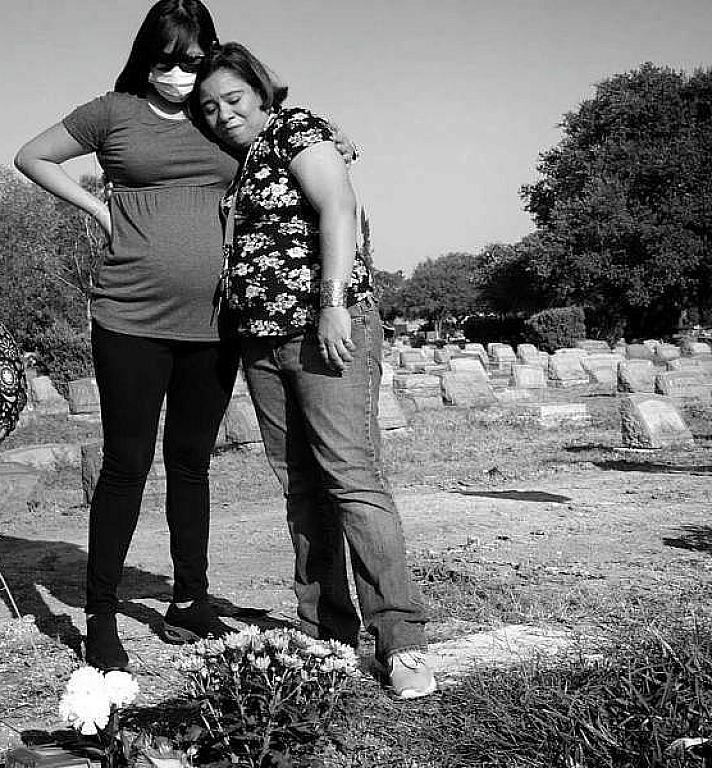
San Antonio native Laura Garcia had a keen sense of the health inequities dividing her hometown. The National Fellowship helped her tell that story in a way that led to major changes in the city's health care landscape.