

An NPR–Boston University analysis finds about 9,000 U.S. deaths a year are heat-related, roughly five times the CDC’s official count, as inconsistent death records mask heat’s role.
Climate Change

Debbie Willson is acutely aware of how a death can fall through the cracks.
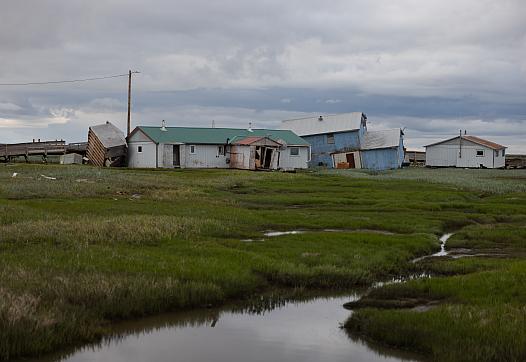
Months after Typhoon Halong devastated villages in western Alaska, displaced young people were still grappling with its toll. Their stories reveal gaps in mental health care and the need for sustained support.
Precipitation has increased 15% across the Great Lakes region in seven decades, straining Metro Detroit’s aging infrastructure. A regional task force aims to develop flood mitigation strategies by spring 2027.
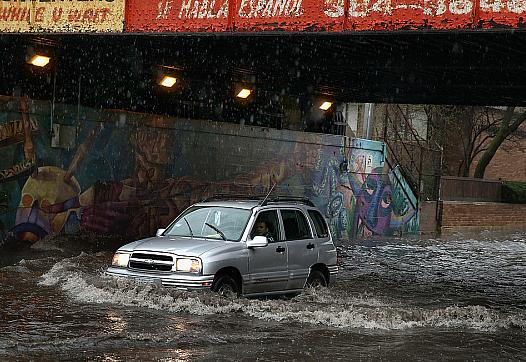
A Chicago journalist asks, Why do some parts of Chicago flood worse than others? Why are low-income, Black-majority areas hit the hardest?
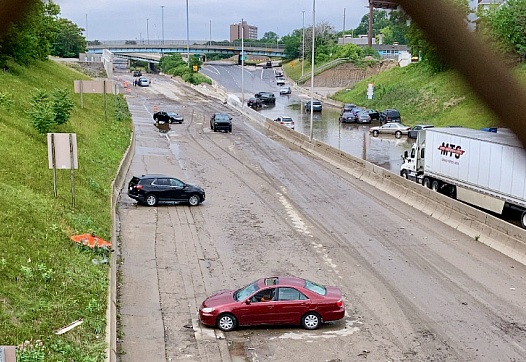
“Every person in Detroit is at risk for flooding – every single household,” says University of Michigan epidemiologist Peter Larson.
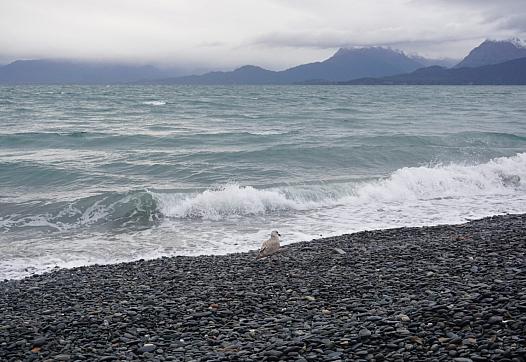
Locals who depend on the sea for food and culture are trying to understand the risks to traditional foods and wildlife populations in a region undergoing myriad changes.
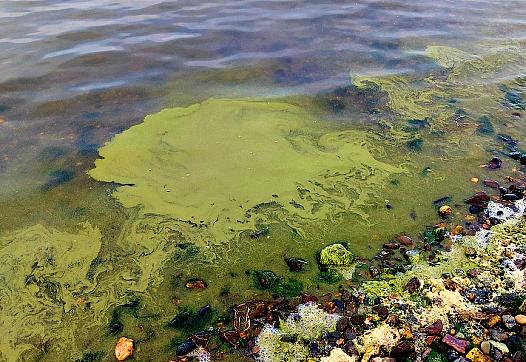
Threats from multiple types of toxin-producing algae and algae-like organisms are rising as does the water temperature.
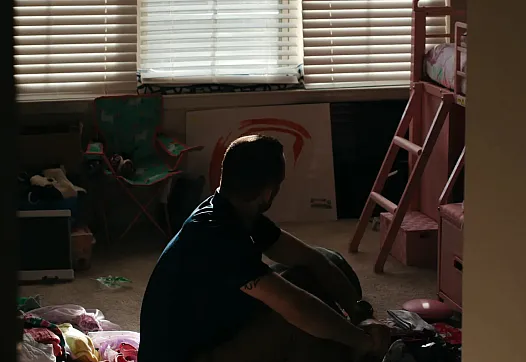
For people in treatment for substance use disorder, the weeks and months after Hurricane Helene unraveled lives they’d spent years rebuilding.
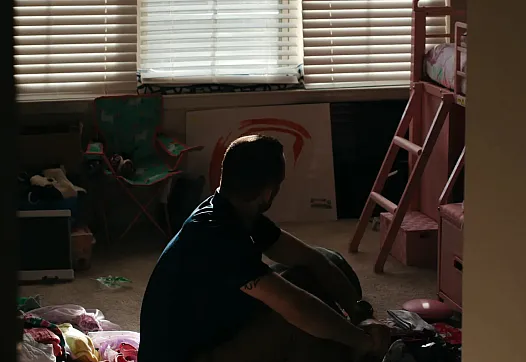
Recovery from substance use disorder requires community. What happens when a disaster tears that apart?