

How we reported 'Stretched Thin: The cost of getting by in Maine'
This article was originally published in the Portland Press Herald with support from our 2026 National Fellowship and engagement initiative.

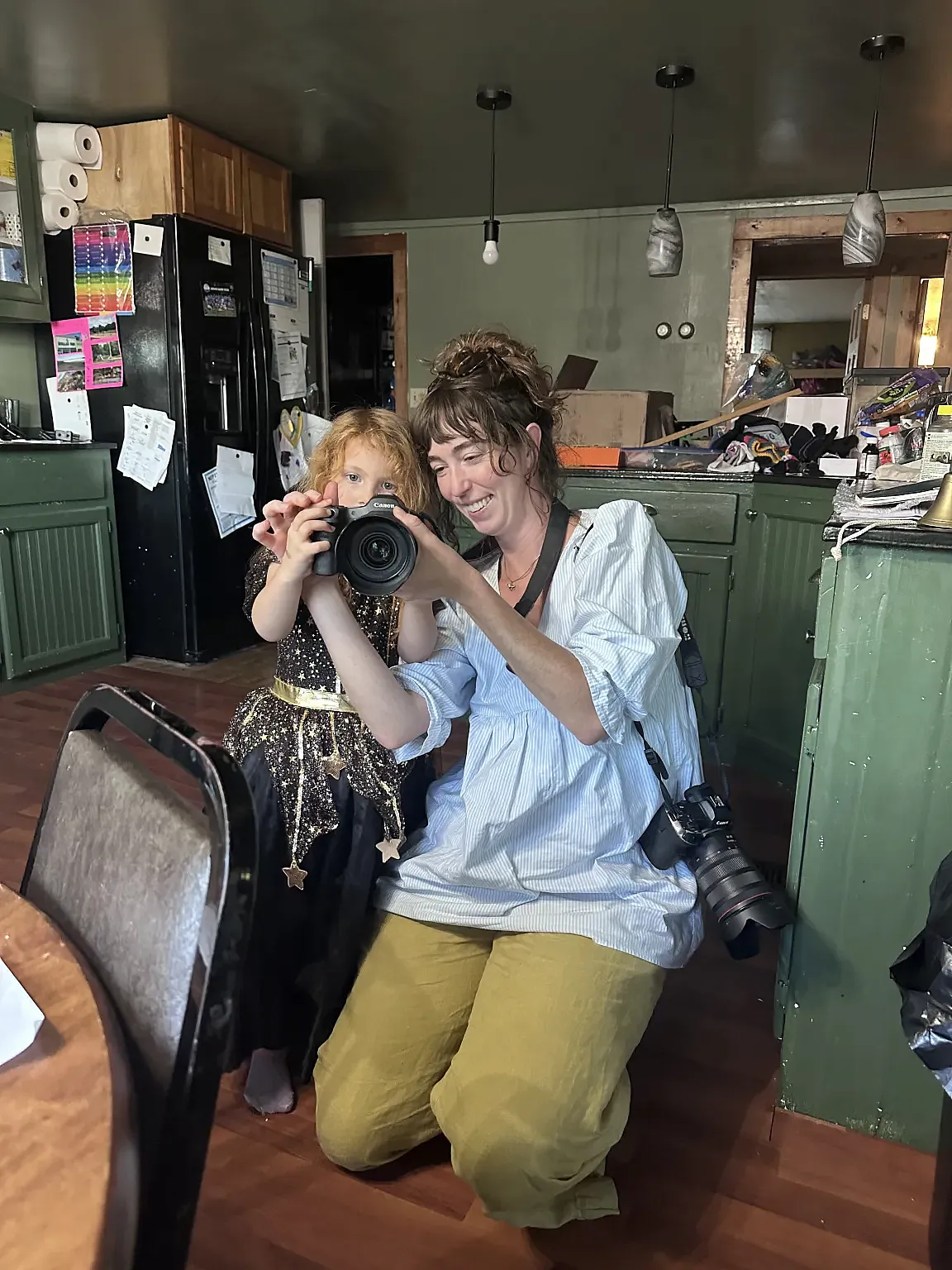
Press Herald Photographer Brianna Soukup helps 5-year-old Charlotte Ross take a photo while visiting the Ross family home in Pembroke.
Gillian Graham/Staff Writer
It’s no secret that many Maine households are struggling to keep up with the rising cost of living. Some families, especially in rural areas, have been in poverty for generations.
After years of covering food insecurity and homelessness in southern Maine, photographer Brianna Soukup and I knew there were stories left untold about how Mainers are getting by in other parts of the state.
We started by looking at new data released by the United Ways of Maine that measures the financial hardship people are experiencing in towns across the state. We anchored our reporting in three areas with unique challenges.
In western Maine, we focused on Oxford County’s River Valley, a place with a deep history of manufacturing, a tightknit community and multiple programs dedicated to helping. One reason we chose this community is because it has high numbers of people experiencing food insecurity.
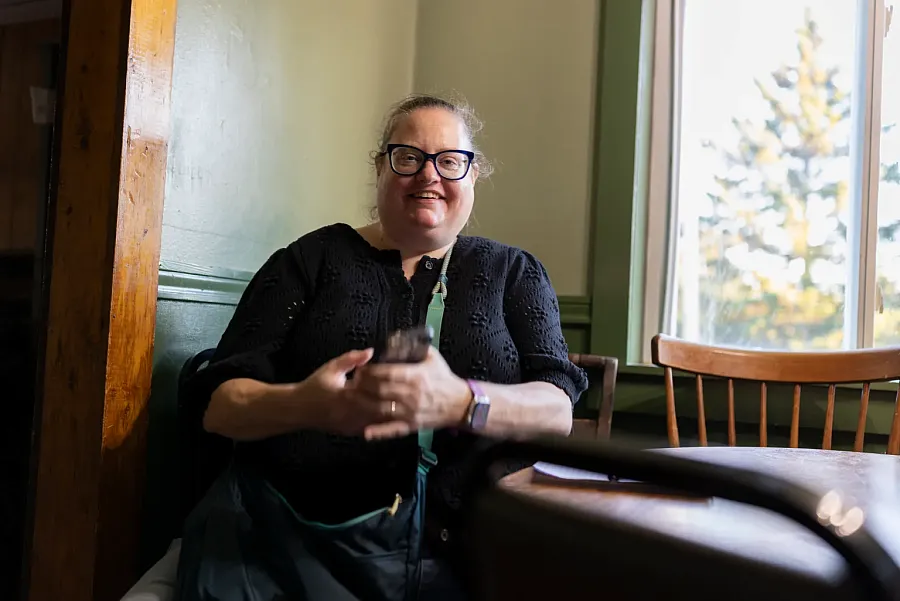
Press Herald Staff Writer Gillian Graham in a photo taken by 5-year-old Charlotte Ross, with help from Photographer Brianna Soukup.
In Midcoast Maine, we focused on Lincoln County, home to a large percentage of older Mainers, to highlight the challenges of aging in a rural state with limited access to public transportation and nearby healthcare. We spent most of our time on the Boothbay peninsula, where there are stark disparities between wealthy out-of-state property owners and year-round residents on fixed incomes.
We also traveled to Washington County, where many families have been trying to break out of the poverty cycle for generations. There, we focused primarily on the Machias area because of the programs working to help lift people out of poverty.
Through organizations offering assistance, we connected with people willing to share their experiences and talk about the choices they have to make when they don’t have enough money to cover their expenses.
Between us, Brianna and I made three reporting trips to Washington County, spending several days at a time meeting people at a food pantry and nonprofit programs. We took more than a dozen day trips to the River Valley and Boothbay peninsula to visit food pantries, soup kitchens, churches and community centers. We also visited people at home and at work, and went fishing and shared meals with families we were interviewing.
We logged more than 3,900 miles driving across the state.
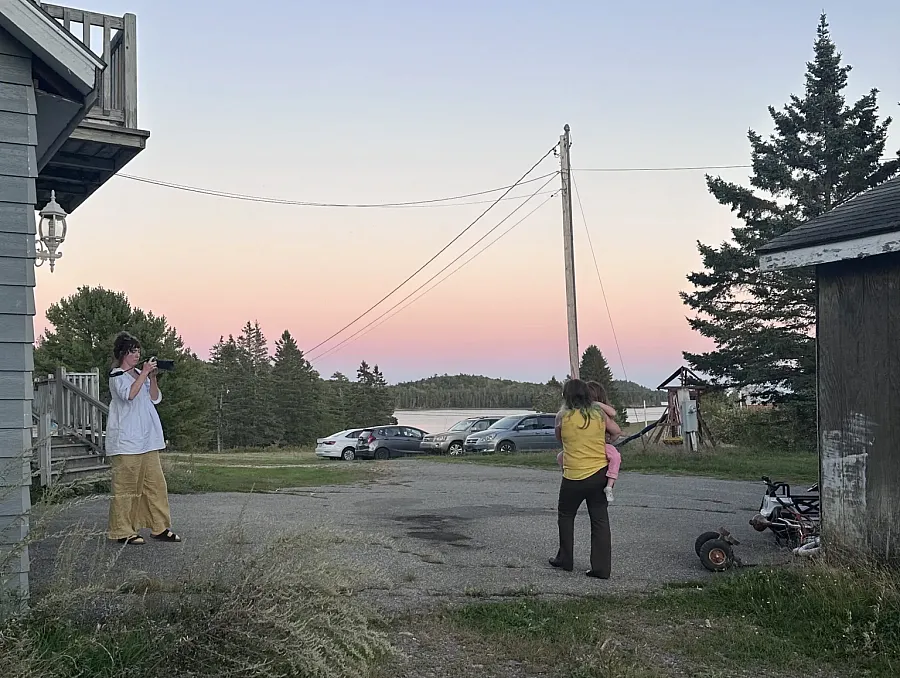
Press Herald Photographer Brianna Soukup takes photos of Ambrosia Ross and her daughter outside of their home in Pembroke during a reporting trip to Washington County.
Gillian Graham/Staff Writer
Through our reporting, we learned that people who have been living with low incomes are struggling more than ever — and that even people who had not previously felt a financial strain are now having a harder time making ends meet.
We were struck by how often the people helping their neighbors had also experienced the same struggles, but gave back without hesitation.
We also put out a call for feedback from people across Maine about their own financial situations. More than 135 people have already responded to our survey, sharing details about how far their budgets fall short and how they decide what to pay for. Many said more needs to be done to help people who are struggling.
To help connect people, we created a guide for how to find help or offer help, a resource we will continue to update.
In the months ahead, we plan to host two events to share and discuss our work.
The first, on Dec. 16, is a forum at the Rumford Public Library that will feature a panel discussion with the reporting team, as well as Michelle Williams from Good Samaritan Missionary Services, Melissa McEntee from Rumford Group Homes and Rumford Town Manager George O’Keefe.
Beyond this project, in 2027 we will continue to prioritize reporting on affordability issues impacting so many Mainers.