

The 'Hidden' Homeless in Los Angeles' Koreatown
This story was produced in collaboration with SBS International as part of the 2026 Ethnic Media Collaborative, Healing California.

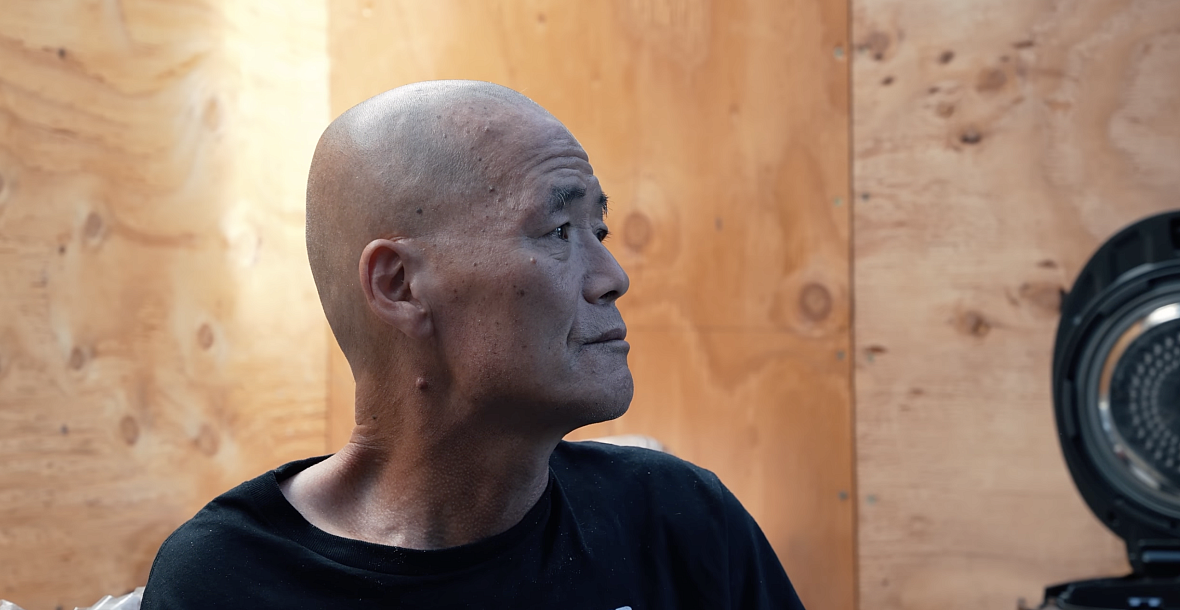
Han Sung-hyun, 63, is a Korean resident at a shelter in Los Angeles. Once employed by a painting company, Han lost his job to illness and his life rapidly began to fall apart.
Duhyun Lee
Han Sung-hyun / 63, Korean resident at a homeless shelter
“I was told I was terminally ill. They said I had three months to live.”
John Kim / Korean Priest, Homeless Shelter Director
“In the past three or four years, eleven people here have passed away. One was in his 70s, and the rest were all in their 60s.”
One Man’s Story
Han had been living a stable life, working for a paint company.
But when his health began to decline, he eventually lost his job — and his life rapidly began to fall apart.
Han Sung-hyun / 63, Korean resident at a homeless shelter in LA Koreatown
“I was staying at a sauna and working, but once I got sick, I couldn’t keep up. Work that should take one day took two or three, so the company didn’t like it. They told me to quit. I had no money, and I was sick, so I started sleeping in my car.”
Life on the street creates exhausting and complicated barriers to seeking care — physically and emotionally.
Han Sung-hyun / 63, Korean resident at a homeless shelter
“Every day feels helpless. You lose motivation. Once you start living outside, if you’re sick, you just live with it. You stay sick. You don’t even think about going to the hospital.”
Stories like Han's do not appear clearly in the statistics, but they are all too common.
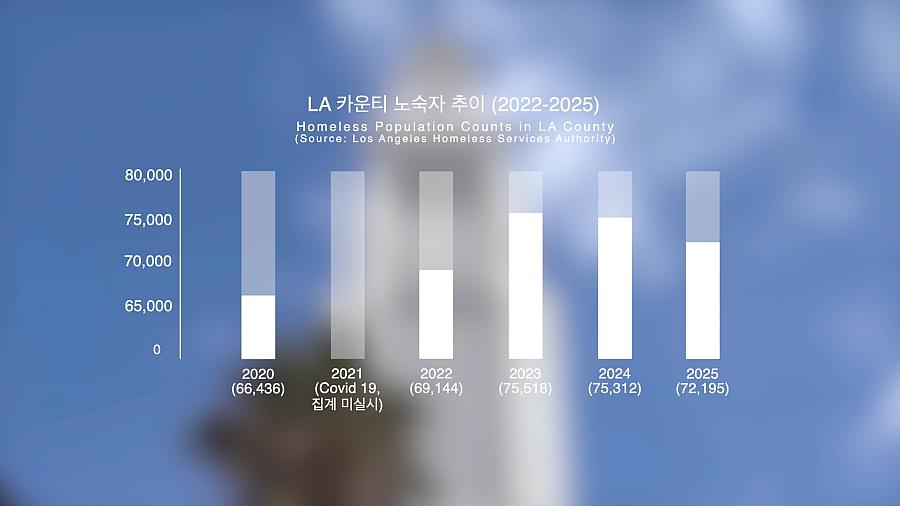
There are more than 72,000 people experiencing homelessness countywide in LA. Asians are believed to only make up about 2 percent of that population, but that figure is deceiving.
John Kim, Korean Priest, Homeless Shelter Director
“Koreans, especially, feel a great sense of shame about being homeless, and many people living here do not think of themselves as homeless. They just think, ‘I ended up like this because life became difficult,’ and when someone asks, who would say, ‘I am homeless’?
Without an income or insurance, medical care quickly becomes out of reach. Living without support and stability make even walking into a clinic or making an appointment feel impossible. And if you are sick? Your illness will only get worse. Only after Han came to the shelter did he have the strength and support to get help.
Han Sung-hyun / 63, Korean resident at a homeless shelter
“I was told I was terminally ill. They gave me three months. They said I had throat cancer … I was afraid to sleep at night. In the morning, I was afraid to open my eyes. Where am I?”
The Hidden Homeless: By the Numbers
Because HUD's count captures people sleeping on streets or in official shelters on a single night, it misses the forms of homelessness more common in Korean and Asian communities — staying in cars, doubling up with family, or living in informal community shelters.
Peter Gee / Little Tokyo Service Center Co-Executive Director
“Statistics are based on how much street homelessness people see at one moment in time. But what we know about Asian American, Native Hawaiian, and Pacific Islander communities is that many people in our community don’t show up in that one-time count. That’s why the number — less than 2% — is very low.”
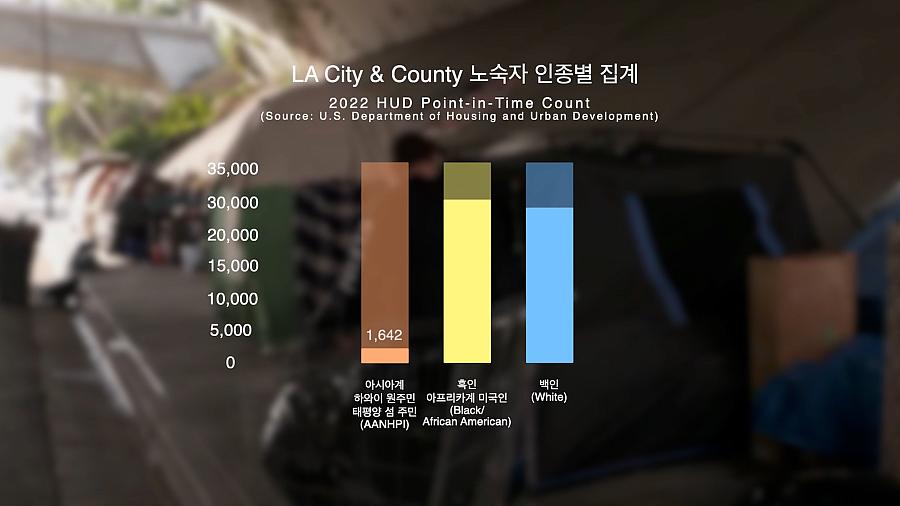
Cultural stigma around homelessness means many will exhaust every hidden option before sleeping on the street — making them invisible to the official count.
In other words, Asian homelessness is not absent, but it is often invisible, rarely found on the streets. This absence of data means the deaths of Asian people experiencing homelessness are not fully documented. According to a report from the LA County Department of Public Health, Asian homeless individuals are sometimes excluded from mortality statistics due to small sample sizes.
The data that does exist paints a stark picture — people experiencing homelessness die at 4.5 times the rate of the general population.
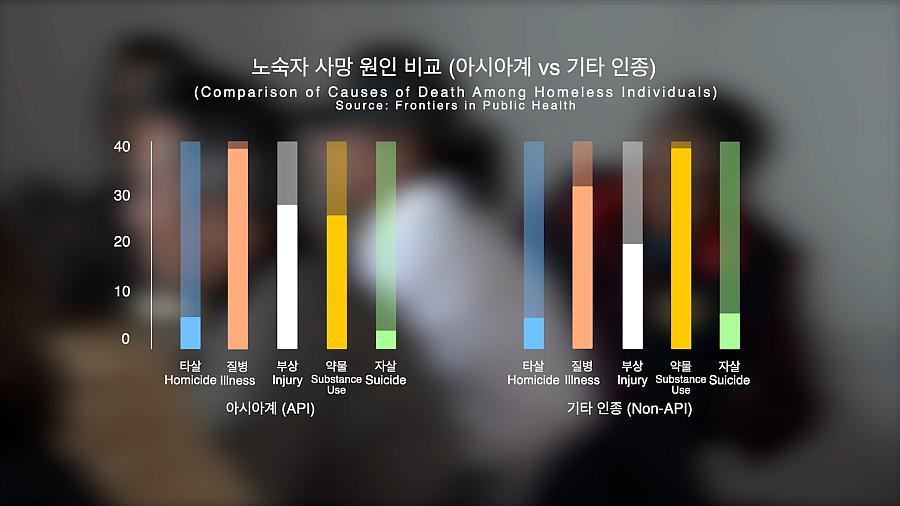
Research from Santa Clara County — one of the only places with disaggregated data on API homeless deaths — found that APIs died from drug and alcohol-related causes at roughly half the rate of other groups. Illness is the leading cause of death. Han's story reflects that pattern.
John Kim / Korean Priest, Homeless Shelter Director
“When someone becomes homeless, their health is usually not normal. In the past three or four years, eleven people here have passed away, one was in his 70s, and the rest were all in their 60s. It was during the COVID period, but none of them died from COVID, they died from existing illnesses or accidents.”
Why They Don’t Ask for Help
The reasons people don’t ask for help before they end up on the streets are deeply rooted and complicated, a combination of language barriers, cultural stigma and shame.
John Kim / Korean Priest, Homeless Shelter Director
When there is a survey, they hide and feel ashamed, and as Asians, there is fear of language and a reluctance to show themselves, so this kind of situation can happen.”
What Does Prevention Look Like?
To address both visible homelessness and the “hidden homeless,” early intervention programs have begun. In March, one million dollars was granted to the Little Tokyo Service Center for homelessness prevention in Asian communities.
Karen Bass / LA City Mayor
"We are not going to solve this problem city by city. Eighty-eight cities have to be involved and invest in this, because what we don't want to have happen is people just move from one area to another because we shift them along but have not solved the problem. So this is a very key step along the way — preventing homelessness from happening." — State of the City, 2026
Peter Gee / Little Tokyo Service Center Co-Executive Director
“A lot of research shows that a lot of community members if they had 500 or 300 dollars a month extra to help them, that can actually solve a lot of the issues.”
Homelessness does not happen all at once. It often begins with a small financial crisis. For Han, it began with getting sick. Han is now living what he calls a bonus life. But his survival is not a coincidence or luck.
Han Sung-hyun / 63, Korean resident at a shelter
"I was told that I would not live very long, but now I have lived for one year and four months. I feel like I am living a bonus life. Maybe it is all thanks to Father…”
Once he had a roof, he could go to the doctor. Once he could go to the doctor, he could treat his cancer. But for every Han that finds their way inside, there are so many others the system never sees. Not in the data and not in the count. Right now, people are still sick — unseen, forgotten, and dying. A warm gaze and a helping hand can turn someone’s last day into tomorrow.
How do we find them before it’s too late?