

How to Use Data to Report on Health Care Disparities Near You
There are huge disparities in health outcomes across race, income and geography in the U.S. But sweeping generalizations do little to illuminate how those disparities are playing out in specific communities and regions. In this webinar, we’ll identify reporting strategies and data sets that can help reporters identify overlooked health system gaps in their coverage areas, which most often can be found in neighborhoods with health equity challenges and the lowest life expectancy. By harnessing the power of multiple data sets, reporters can find fresh stories on the health of communities while pinpointing tough new questions for local officials and health systems on what they’re doing to address these problems. We’ll identify which data sources are most useful for this kind of reporting and walk through some of the skills and tools reporters need to get started on analyses of their area.
This webinar is free and made possible by The Commonwealth Fund.
Panelist
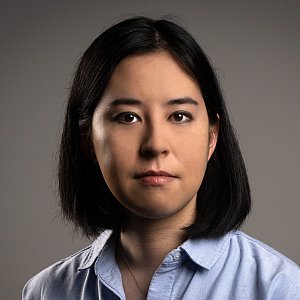
Caitlin Gilbert is a data reporter covering health, technology, science and wellness at The Washington Post. She has led investigations into dietitian influencers, subminimum wages paid to disabled workers, RFK Jr.'s anti-vaccine rhetoric, compulsive use of TikTok, and declining vaccination rates in the U.S. Her work has won a SABEW award and NCDJ's Katherine Schneider disability reporting award, and she has been a finalist for the Livingston, Goldsmith and NIHCM awards for investigative reporting. She received her Ph.D. in neuroscience and genomics from Rockefeller University. Her honors and awards include the Livingston Award Finalist for National Reporting; the Goldsmith Award for Investigative Reporting Finalist; SABEW Best in Business Award for Data Journalism; and the National Press Club Joan M. Friedenburg Online Journalism Award. She is serving as a Senior Fellow in the Center for Health Journalism’s 2026 Data Fellowship.