

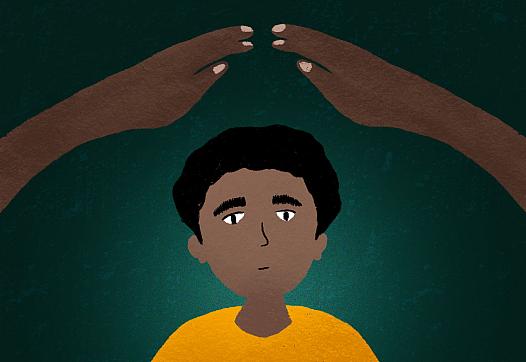
Reporter Sara Tiano examines why numbers are lower in California — and how the state has “wrapped around” families to try to keep them intact.
Reporter Sara Tiano examines why numbers are lower in California — and how the state has “wrapped around” families to try to keep them intact.
Stanford ER physician Dr. Italo Brown combines emergency care, teaching and community outreach to push for greater representation and health equity in medicine.
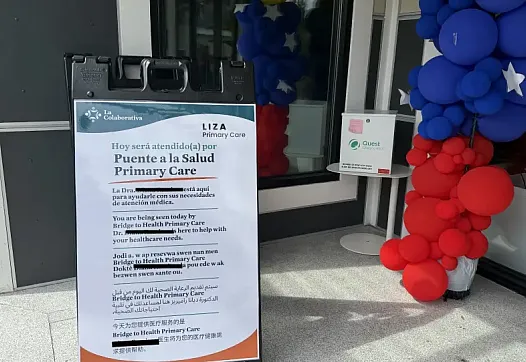
More than 7,000 immigrants were arrested in Massachusetts in the first 15 months of the second Trump administration, but the reverberations of those detentions affect thousands more family members.

With Medicaid cuts looming in 2027, the state is doling out its federal lifeline slowly, raising questions about whether the money will land where it's needed in time.
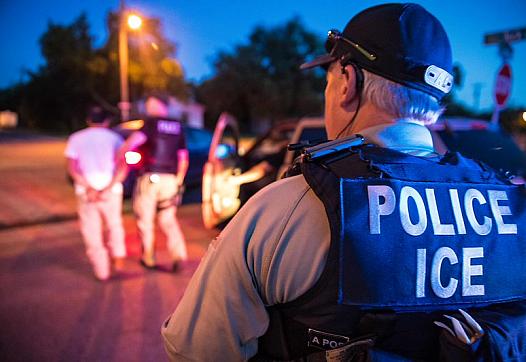
Drawing on his own roots in the Inland Empire, a journalist examines how immigration enforcement is affecting the health, livelihoods and safety of immigrant families.
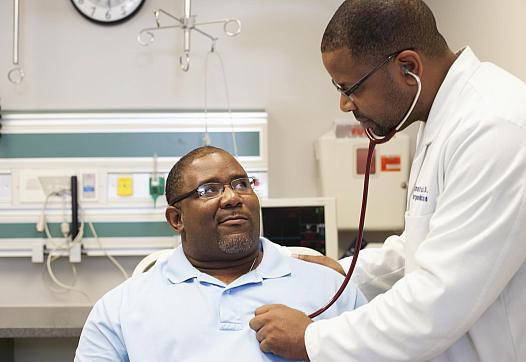
Many Black and Hispanic men delay checkups due to cost, distrust or fear. Our columnist writes that journalists can help counter this trend with stories that show how preventive care is worth making time for.

Coachella Valley institutions expand local health-worker training programs to address doctor and nursing shortages, especially in pediatrics.
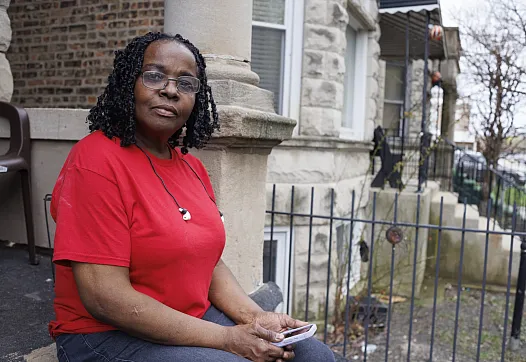
Some 70,000 homes flooded in 2023, leaving mold in many West Side homes, including in Dorothy Rosenthal’s basement. The Chicago health department offers no help to flood victims like her.
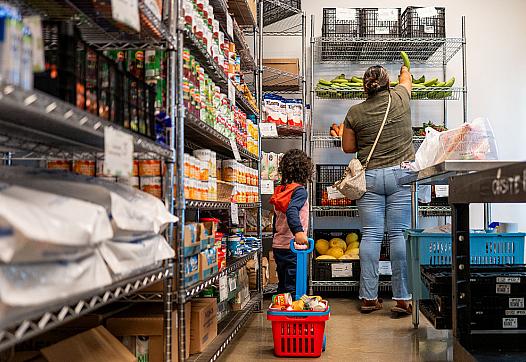
Two reporters and a veteran researcher share insights and tips for covering the economic squeeze American families are facing.
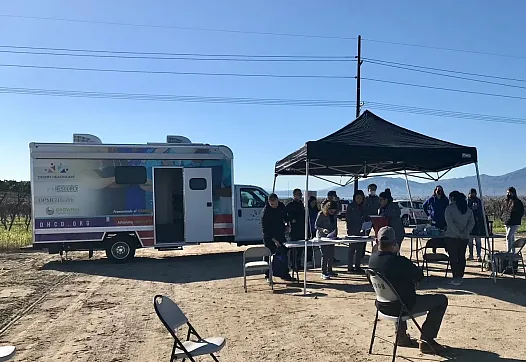
Fears over ICE raids and looming Medicaid changes are pushing Coachella Valley health organizations to move care onto private property, Zoom, and other more channels to keep undocumented and immigrant patients connected to services.