

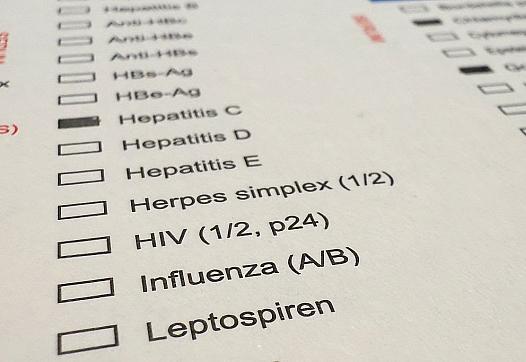
A writer’s friend was cured of hepatitis C, yet only 1 in 3 infected Americans get curative antivirals amid insurance barriers, and people of color die disproportionately.
A writer’s friend was cured of hepatitis C, yet only 1 in 3 infected Americans get curative antivirals amid insurance barriers, and people of color die disproportionately.

“What I've discovered in the last few months is that these tools are now allowing us to do things that we in data journalism have struggled with for decades,” said Minnesota Star Tribune data editor MaryJo Webster.

Speaking at the 2026 Data Fellowship, The Baltimore Banner's Greg Morton shared how his team corralled the data that proved Baltimore’s transit system was failing students.

A planned series on hunger took on fresh urgency when the federal government suspended SNAP benefits.

“This is a lot of people not just milking the system but making deliberate economic decisions to exploit a vulnerable population,” said Barak Richman, a professor at George Washington University Law School.
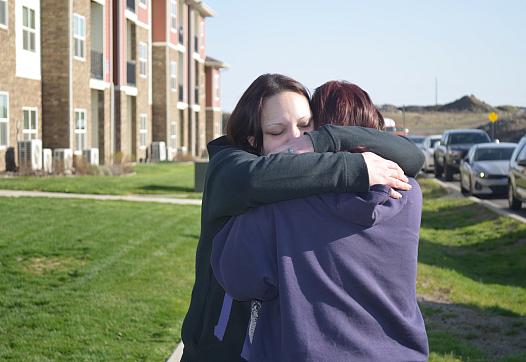
Reporting on Washington’s child welfare reforms shows new policies help some families, especially Native and Black parents, stay together, despite controversy over safety concerns.

Reporting shows Sacramento Native youth face high suicide risk and mental health barriers, while reconnecting with culture provides healing and community support.

Reporting reveals Black mothers in Harris County face the nation’s highest death rates, with rising severe complications despite funding, exposing systemic inequities in maternal care.

After pandemic strain, Maryland hospital harms tripled since 2019. Through records fights and sources, reporting exposed rising errors and a bullying culture at Johns Hopkins.

Are stricter felony drug possession penalties effective tools for propelling users into care? One reporter's deep dive raises serious doubts.