


“What I've discovered in the last few months is that these tools are now allowing us to do things that we in data journalism have struggled with for decades,” said Minnesota Star Tribune data editor MaryJo Webster.
“What I've discovered in the last few months is that these tools are now allowing us to do things that we in data journalism have struggled with for decades,” said Minnesota Star Tribune data editor MaryJo Webster.
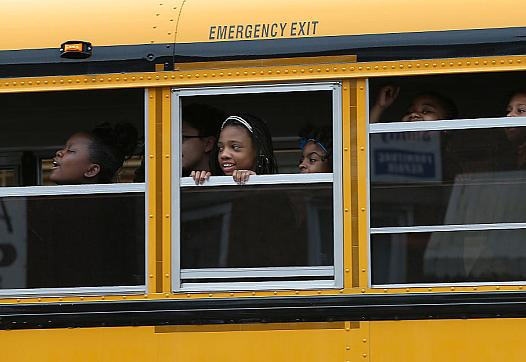
Speaking at the 2026 Data Fellowship, The Baltimore Banner's Greg Morton shared how his team corralled the data that proved Baltimore’s transit system was failing students.
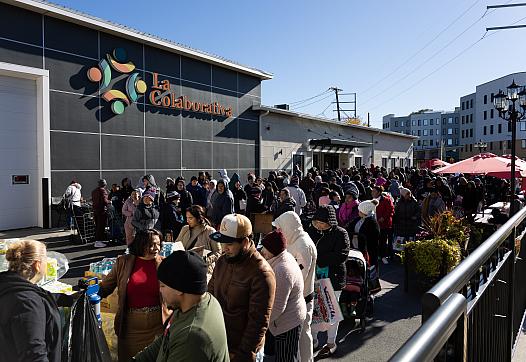
A planned series on hunger took on fresh urgency when the federal government suspended SNAP benefits.

“This is a lot of people not just milking the system but making deliberate economic decisions to exploit a vulnerable population,” said Barak Richman, a professor at George Washington University Law School.

Are stricter felony drug possession penalties effective tools for propelling users into care? One reporter's deep dive raises serious doubts.

A Guardian investigation into the U.S. overdose slowdown found that national declines masked sharp local disparities. Here's how the reporting team got the story.
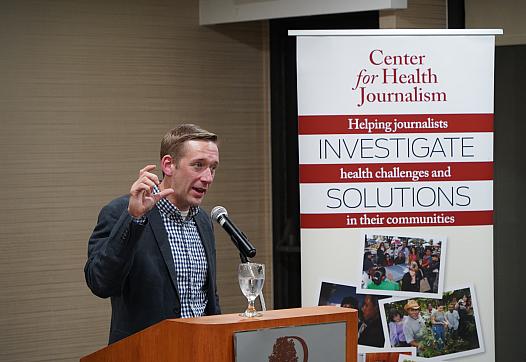
“The way that I look at the applications of AI today are very much focused on very small, very practical problems,” said Chase Davis, a veteran of the Star Tribune and The New York Times. “I tend to think that the best uses of generative AI are extremely, extremely boring.”
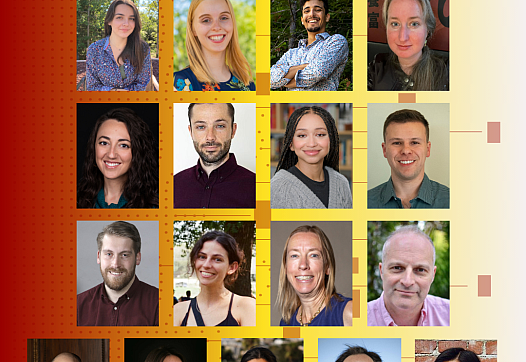
We're excited to announce the selection of 17 talented journalists who will be participating in our 2025 Data Fellowship and joining us in LA this week.
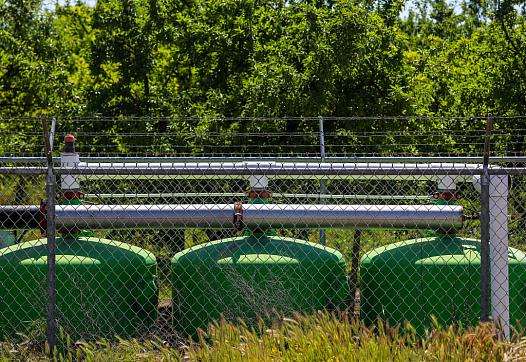
Stanislaus County communities face unsafe water from nitrates, arsenic, and other contaminants, with costly fixes out of reach for many.
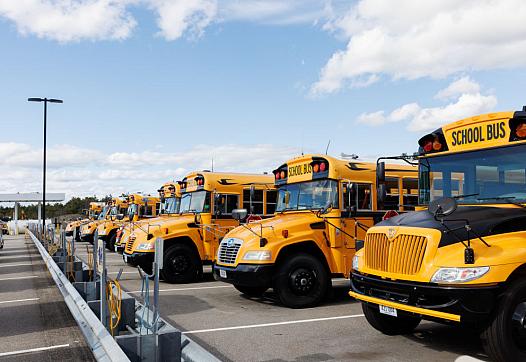
A reporter finds that Maine schools continue using restraint and seclusion on students, causing trauma and shirking accountability.