
An investigation exposes “medical deportations”: hospitals are transferring seriously ill migrant patients outside the U.S. to avoid costs, violating rights and putting lives at risk.
An investigation exposes “medical deportations”: hospitals are transferring seriously ill migrant patients outside the U.S. to avoid costs, violating rights and putting lives at risk.
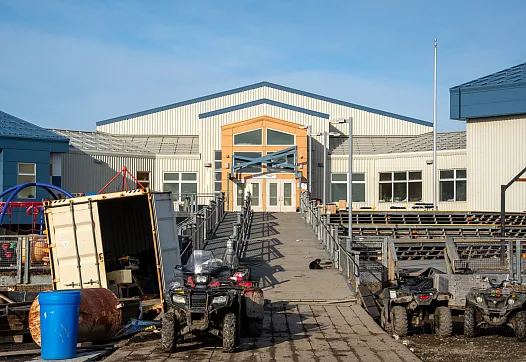
Across hundreds of Alaskan communities, public schools are often the safest buildings where people can take shelter during disasters. After decades of state neglect, however, some have become emergencies themselves.
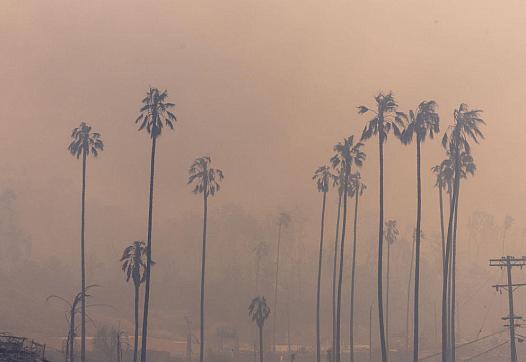
More frequent, intense and destructive fires fueled by climate change cause far more death and illness than official tallies capture.
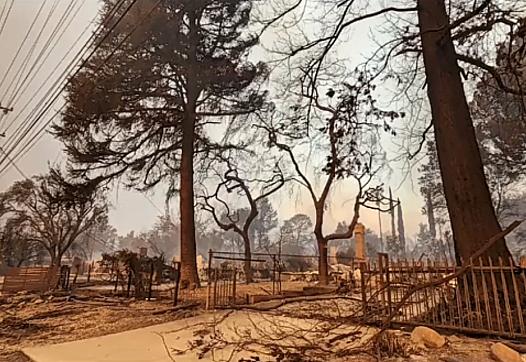
Thousands lost their homes in the January 2025 Los Angeles fires, among the deadliest and most destructive wildfires in California History.
Losing one's home, belongings, and community, along with the threat to personal safety and the safety of loved ones, can have a major impact on survivors' mental health. Studies show higher rates of PTSD, depression, and anxiety, which can last for years.
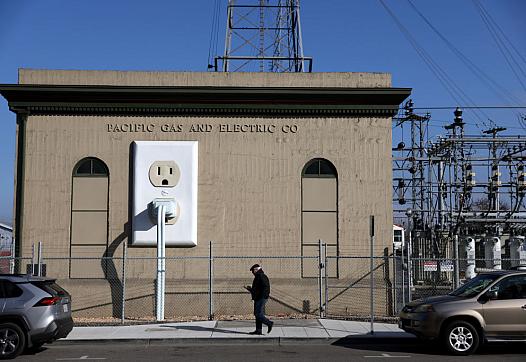
A reporter reflects on what ongoing rate hikes by a major California utility mean for residents in the state’s hottest regions.
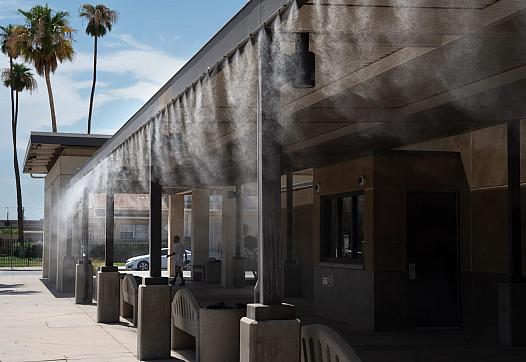
Imperial Valley's high diabetes rates and extreme heat, worsened by poverty and limited healthcare, pose severe health risks. More resources and education are crucial to address the crisis.

Pedro and Elizabeth Betancourt conserve energy but still face high bills. A new CPUC rate structure aims to make costs more equitable, benefiting high-energy users in extreme temperatures by adding a fixed charge.

California faces record-high heat and soaring energy costs. Aid programs like LIHEAP, CARE, FERA, and AMP help, but many eligible residents are unaware or underutilizing these resources.