


Part 2 of a three-part series examining the impacts of the opioid crisis on children and families in Mississippi and the state’s decisions on how to spend opioid settlement funds.
Part 2 of a three-part series examining the impacts of the opioid crisis on children and families in Mississippi and the state’s decisions on how to spend opioid settlement funds.
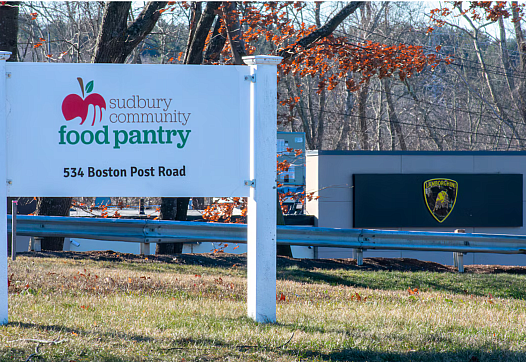
Last year, more than 1,000 families turned to the Sudbury Community Food Pantry for help putting food on the table. Just across the street, showrooms gleam with Lamborghinis, Bentleys and Land Rovers.
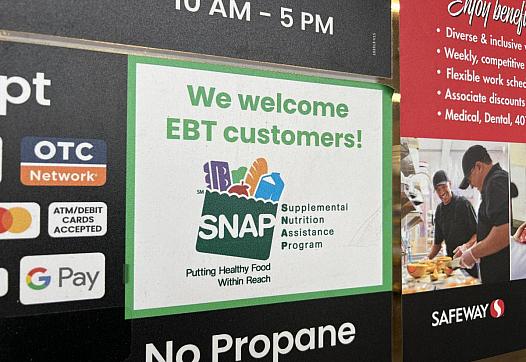
States are restricting SNAP purchases in a largely uncontrolled policy experiment backed by little evidence.
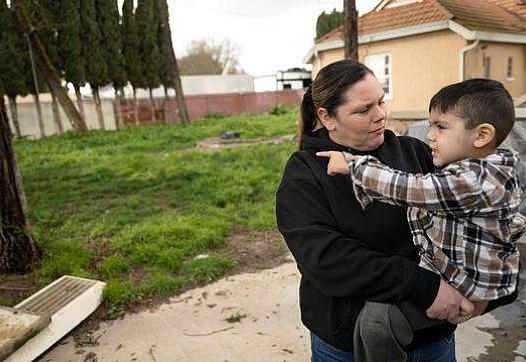
In Stanislaus County, most tested private wells exceed safe limits for nitrate and other toxins. With little regulation, rural families rely on bottled water as long-term fixes lag.
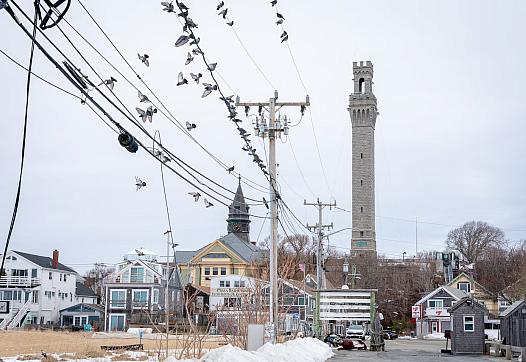
On Cape Cod, soaring housing costs and seasonal jobs leave workers and seniors food insecure. Pantries are serving record demand as unemployment spikes in winter despite summer tourism wealth.

Cesar Vasquez, who has supported families of undocumented immigrants since age 14, has become a community lifeline — and a known ICE target.
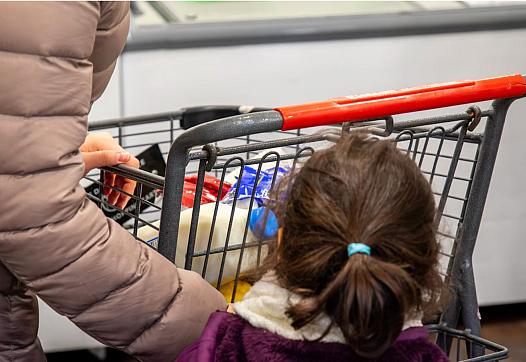
Rising housing costs in Massachusetts are forcing working families to sacrifice food, lose SNAP benefits, and face impossible tradeoffs, pushing many toward food pantries or leaving the state.
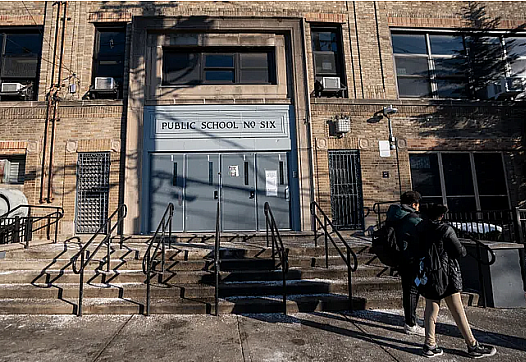
In one of New Jersey’s poorest school neighborhoods, chronic absenteeism is more than a statistic — it reflects generational poverty, classroom chaos and a fragile public system.

A Black parenting program is federally approved but underfunded, as strict evidence rules and bureaucracy block access to prevention dollars meant to reduce foster care disparities.
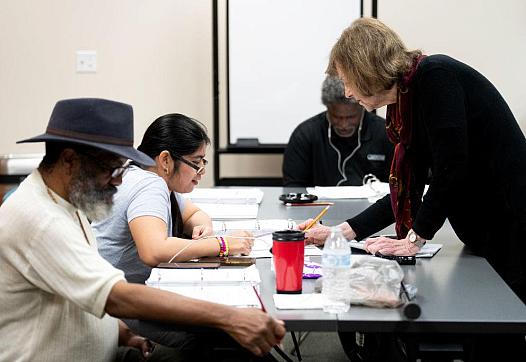
Adult literacy challenges deepen health inequities, limit opportunity and are linked to incarceration. Even so, efforts to boost literacy remain underfunded and underreported.