

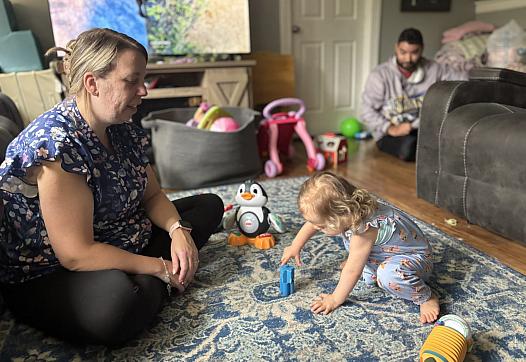
New Hampshire families caring for children with complex medical needs face another challenge — cuts to the home care that helps keep their children out of institutions.
New Hampshire families caring for children with complex medical needs face another challenge — cuts to the home care that helps keep their children out of institutions.

For New Hampshire families raising children with complex medical needs, home care is a lifeline. Cuts to that support leave parents scrambling and their children’s care uncertain.
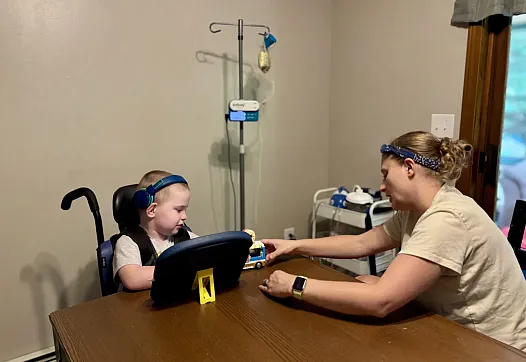
New Hampshire is requiring written notice when home care plans change for children with complex medical needs, offering families a safeguard against sudden disruptions.
Rural LGBTQ+ Tahoe residents often drive hours for specialty care like hormone therapy and sexual health testing, because local specialists are scarce and insurance is hard to navigate.
“There may come a time where we are one of the only, if not the only, option for the nation.”
After state officials intervened, insurers restored home nursing hours for New Hampshire children with complex medical needs, bringing relief to families who depend on that care.
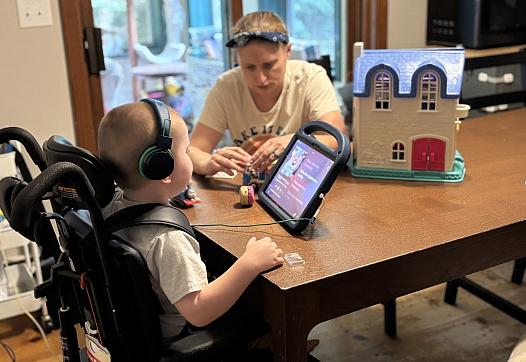
Medicaid managed care companies cut home nursing hours for about 160 New Hampshire kids with severe disabilities. Parents organized, and the state is ordering the hours restored.

Asthma is a heavy burden in rural Kentucky, where poverty, costly medications, few school nurses and long trips to hospitals put patients at risk as Medicaid cuts loom.

Delaware spends tens of millions of dollars each year on its mental health programming statewide. When programs aren’t effective, it not only burdens patients, but the state which has to pay for more treatment.
Efforts to improve care for Black mothers and babies keep stalling in Congress. What’s standing in the way of legislation aimed at saving lives?