

The Health Divide: For many Black and Hispanic adults, dental care is out reach. Here’s why that matters.

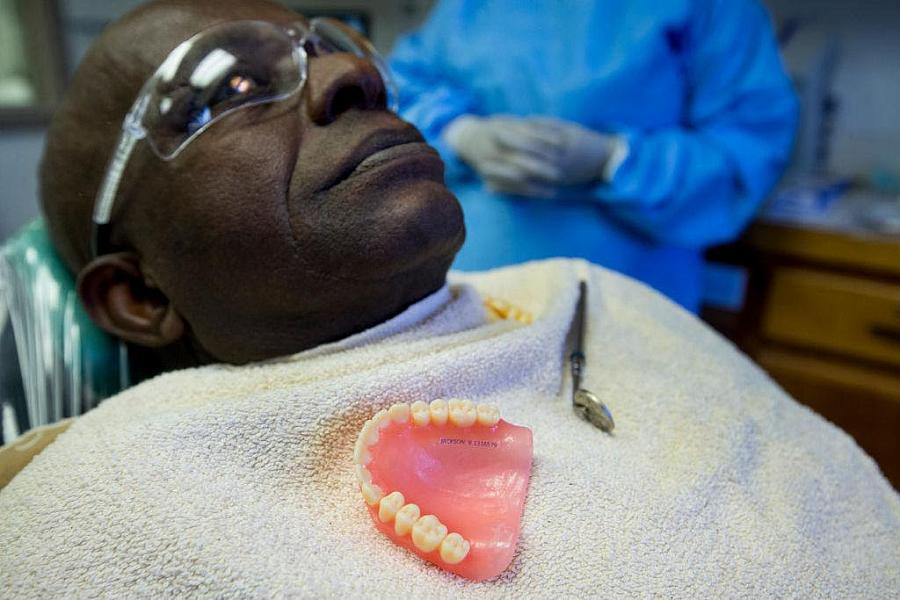
Photo by Brett Comer/Houston Chronicle via Getty Images
I recently visited the dentist because I cracked my lower back molar.
My dentist saw me quickly, took X-rays, and within three weeks, I received a porcelain crown to save the tooth.
The total cost before insurance was $1,450, and my out-of-pocket share was $680.
While I was able to manage this expense, high dental costs, coupled with low insurance payouts for dental care (or no insurance at all), make it harder for many people to maintain their teeth.
In the United States, dental care is often treated separately from general health care. This split can have serious consequences, especially for minority groups. Black and Hispanic adults are more likely to experience poorer oral health due to systemic barriers, including lower income, lack of dental insurance, no nearby dental clinics, and limited access to care.
For instance, untreated tooth decay occurs nearly twice as often in Black adults (42%) compared to white adults (22%). For Hispanic adults, the rate is 36%. Left untreated, tooth decay can result in higher rates of tooth loss.
Black adults in the U.S. experience higher levels of tooth loss on average than white adults, and Hispanic older adults are more likely than white older adults to have lost all their teeth. These disparities reflect unequal access to dental care and resources, along with the broader social and economic conditions that shape oral health over a lifetime. Poor oral health is also associated with serious health issues such as diabetes, heart disease and adverse birth outcomes. That makes unequal access to dental care especially consequential for Black and Hispanic communities, which already face disproportionate burdens of many chronic health conditions.
“I can’t emphasize enough how important regular dental visits are,” said Dr. Paul Levine of Levine Dental Associates in Milwaukee. “Even if your teeth appear to be fine, a dentist can identify health issues through your gums and your teeth and see things you can’t.”
Some procedures cost thousands of dollars
Dental costs are on the rise, and even basic dental procedures can carry a hefty price tag. More than 60% of dentists raised their fees in 2025, according to the National Association of Dental Plans.
For instance, the cost of a filling or a root canal can vary significantly, ranging from hundreds to thousands of dollars, depending on the complexity of the case and the location of the dental practice. For those without dental insurance, the daunting expenses make tooth extraction one of the least expensive choices. It’s typically considered a last resort when other options become financially overwhelming.
Many minority communities also live in dental deserts, facing a severe shortage of dental care options or even a complete lack of access to dental services. This pattern is compounded by the fact that many dentists do not accept Medicaid.
Individuals with lower incomes who rely on public insurance face significant challenges in accessing dental care. Fewer than half of dentists accept Medicaid, and many limit the number of Medicaid patients they take on, creating a substantial gap in access. Even when dentists do accept state insurance, the low reimbursement rates can limit the services patients are able to receive. For instance, while I can get a porcelain crown through my insurance, someone on Medicaid may only receive a silver cap, which becomes obvious when they open their mouths or talk.
Federal cuts to Medicaid in last year’s GOP megabill are poised to make the situation worse. Adult dental coverage remains an optional benefit that states can provide, and states are now facing growing budget pressure that makes dental benefits an obvious target. One example: Starting July 1, California will end most Medicaid dental benefits for undocumented adults and some other immigrant groups.
“State Medicaid programs typically expand or reduce benefits depending on their finances, and such massive federal cuts could force some to shrink or eliminate what they offer, including dental benefits,” wrote Phil Galewitz of KFF Health News in March.
Limited access to dental care affects not only your oral health but also your overall health and well-being. Dentists and dental hygienists do more than check for cavities during your visits; they can often identify signs of other health issues.
For instance, dentists can identify early signs of diabetes in patients with gum disease that does not respond well to treatment, as well as in those who frequently experience gum infections, dry mouth, or slow healing after dental procedures. They can also detect symptoms of blood disorders by examining the color of the gums or observing a swollen tongue. Additionally, dentists can check for signs of oral cancer during routine cleaning exams. Indicators of HIV/AIDS or herpes may present as unusual infections or sores in the mouth. Nutritional deficiencies can manifest as mouth sores or tongue swelling, while teeth grinding can indicate stress. Many of these health issues impact Black and Hispanic communities at higher rates than those of white individuals.
During the COVID pandemic, I visited my dentist due to jaw pain. He discovered that I was grinding my teeth and recommended I wear a mouthguard at night to protect my teeth.
Dental care is a public health issue
My dentist's office is 20 minutes away by car. If I had to take the bus, it would take over an hour to get to an appointment.
That’s a story you don’t often read about. Journalists looking to expand their health coverage should consider investigating dental deserts in their coverage area, and how they disproportionately affect low-income, Black, and Hispanic neighborhoods. Comparing neighborhoods side by side can be revealing, as can showing how far people must travel for care, especially if they don’t have transportation.
Affordability is another major barrier to getting dental care. Journalists might look into why dental insurance has become separate from health insurance. They can also report on their state’s Medicaid reimbursement rates, which often make it hard for dentists to accept public insurance. High out-of-pocket costs for procedures such as crowns, root canals, and dentures can place financial strain on families, especially during tough economic times.
Putting off dental care — especially when a person is in severe pain — cannot be the answer. Sharing real-life examples can help draw attention to this serious public health issue.