

The Health Divide: There are more senior drivers on the road than ever. When is it time to take their keys?

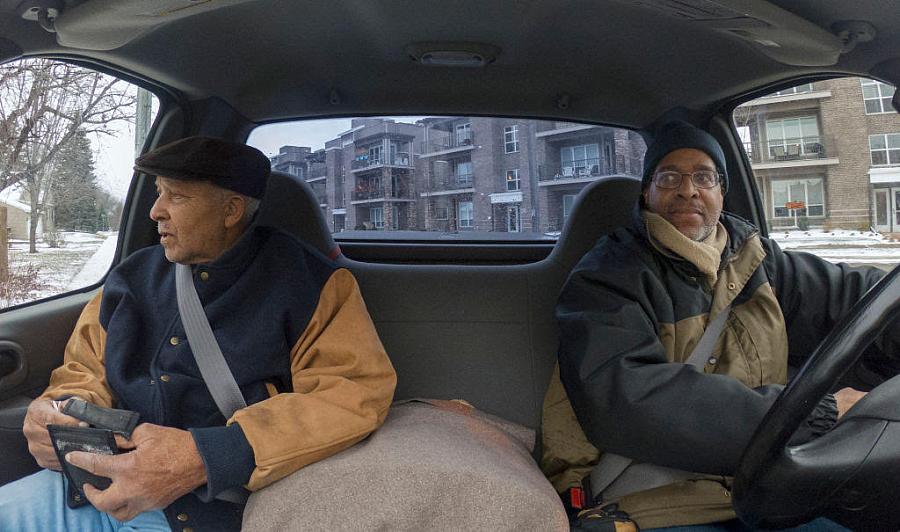
Photo By Jerry Holt/Star Tribune via Getty Images
There are nearly 52 million licensed drivers age 65 and older in the U.S. This number represents a 77% increase since 2004 and is the highest number of senior drivers ever recorded.
Many seniors stop or limit their driving by 75, but issues arise when they continue to drive despite being unfit to do so. But it’s not just their own safety or that of others that’s at stake in these situations.
When someone loses access to a vehicle in car-dependent regions, it becomes much harder for them to reach medical care, remain connected to their community, purchase groceries, and participate in activities like church or other social events, all of which have deep connections to health and well-being. These losses hit lower-income and rural Americans hardest, since they often lack the resources or public transportation options that might otherwise help them fill the gap.
I know some of these challenges from personal experience. Deciding to take my father’s keys away from him was one of the hardest decisions I had to make for my parents. My mother voluntarily stopped driving at 68 after a driving scare. She couldn’t feel herself pressing the brake and thought she was going to have an accident. My father drove until he was 78, even though I should have taken his keys a year or two earlier.
I didn’t want to acknowledge the warning signs my father was showing. He would come home late after buying his lottery tickets, often explaining his delay by saying he got “turned around” or that things “looked different at night.”
His 2018 Lincoln Town Car had unexplained scratches and dents, and he had been involved in three minor accidents over a two-year period.
We decided to take his keys after he didn't come home one night. The police did not want to issue a Silver Alert because they said he was independent and had not been missing for at least 24 hours. By the third night, we went to the police station to file a missing person's report, only for him to be found while we were filling out the paperwork.
The good news: He was safe. The bad news: He was found four hours away from his home, in Morris, Illinois.
When he stopped at a gas station to get gas, he asked a cashier how far he was from 39th and Capitol Drive. When she informed him that there was no Capitol Drive in that area, he was going to head back to his car, but she kept him in the store with chit-chat and called for the sheriff.
The cashier said my father reminded her of her grandmother, who had dementia, and that she didn’t want him to get back on the road.
I took his keys the next day and put a Club on his steering wheel. He never drove again.
Taking away a parent's car keys is very hard and emotional. It forces a son or daughter to assume a parental role, balancing the parent's independence with the need to maintain safety amid declining health and driving ability.
In my father’s case, he adapted quickly because we had a plan in place to maintain his daily routines. My wife, Damia, understood how important driving was to my father, so she always ensured he didn't feel diminished or alone as a man because he couldn't drive anymore. This was crucial, since studies have shown that older adults who are told they can no longer drive often experience higher rates of isolation and depression.
One of the hardest conversations
Born in Mississippi, my father started driving at the age of 9. After nearly 70 years behind the wheel, I knew he was in for a challenge.
The first couple of months were the hardest. Our plan was that my wife, who served as my parents' caregiver, would drive my father to his social activities. She would drop him off at McDonald’s daily to have coffee with his retired friends, take him to play the lottery, and take him on his daily snack runs.
Over time, his desire to drive diminished, and his trust in us to keep him healthy and happy grew. Without a plan — and a family caregiver able to fill the gap — this transition would have been much more challenging for all of us. His well-being would surely have suffered.
Though the family dynamic was shifting, we had to think about what would happen if we didn’t take his keys. In 2022, about 9,100 older adults were killed in traffic crashes, and more than 270,000 were treated in emergency departments for crash-related injuries. According to the Centers for Disease Control and Prevention, this translates to 25 older adults killed and more than 740 injured in crashes each day.
Lauren O’Desky, the owner of Oasis Senior Advisors, said it’s important to know that just because a driver is older doesn’t mean they are a bad driver, and other factors can be at play. She stressed that the goal is not to strip an elderly person of their independence, but to ensure their safety.
One study indicated that if a senior's driving privileges are taken away, it’s important to offset that loss by enrolling them in programs that promote mobility and social interaction. But in both urban and rural areas, finding close, affordable activities for seniors may be challenging. In our case, my father was a veteran, which allowed us to enroll him in the VA’s Adult Day Health Care program at no cost.
Initially, he was hesitant to participate, but he eventually adapted and thrived. The program provided him with opportunities he might have never experienced otherwise. He went boating on Lake Michigan, fished, visited the museum, tried curling, learned to paint, and even picked up some exercise routines.
The best part was that he formed friendships with other men he might not have met if he had continued driving. They bonded through shared experiences, which helped them all feel less alone.
Language matters
For Black, Latino, and rural families, it’s crucial to acknowledge the limited public transit options they may face. The sudden loss of transportation can immediately compound health problems and over time, deepen existing health disparities — particularly in low-income communities of color, where alternatives are scarce and younger family members may be busy working.
What happens when an older adult can no longer drive and lacks reliable or affordable transportation to attend doctor’s appointments? Those are quiet stories that aren’t often told, but these are vital health stories.
It’s also an issue that is ripe for community engagement approaches. Hosting a community event on this topic, with a panel discussion, could provide an opportunity for families to share how challenging it is to tell their parents to stop driving, or how hard it is for one’s mother to get to her doctor across town. Such events could reassure families that they are not alone in navigating this difficult decision, and highlight the need for more programs that can keep aging Americans connected to the services and relationships that sustain them.