

How I reported on Arizona workers facing deadly heat — and little protection

Getty Images
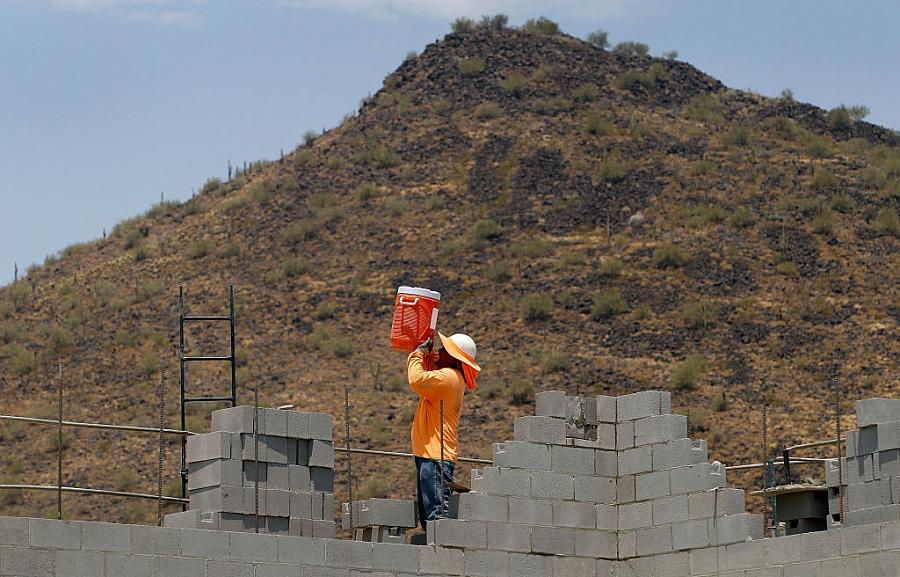
Heat is the top weather-related killer in the U.S., and seven states have now adopted rules requiring employers to provide water breaks and other heat protections for workers. But in Arizona, where triple-digit temperatures can last months at a time, no such regulations exist.
More and more Arizona workers have been calling for change. In my reporting for the USC Annenberg Health and Climate Change Reporting Fellowship, I hoped to explore the risks of heat exposure on the job in Arizona and unpack the complicated process of trying to change the state’s labor regulations.
Human stories help audiences understand the problem
If data suggests Arizona’s lack of heat protections may be contributing to a higher rate of worker deaths, which workers are being impacted? My next goal was to identify as many of these cases as I could to help give a sense of the kinds of circumstances that lead to these fatalities.
I requested records from the Arizona Division of Occupational Safety and Health, I searched through publicly available OSHA fatality and injury reports, and I cross-referenced incidents I found with local medical examiner records and weather records.
I was able to identify about two dozen cases dating as far back as the 1980s — there are undoubtedly many more cases that I did not find. Together with KJZZ’s digital team, I compiled 10 of the cases that I identified into a narrative timeline that we ran alongside our series.
Cases from 2025 included a Phoenix-area postal worker who’d been in the role just three weeks and died on the sidewalk while delivering mail on a 106-degree day; a construction worker who was only 23 years old and died after collapsing from heat on a job site in Glendale; and a longtime air conditioning technician who died after working in a sweltering attic near Prescott.
These short accounts were especially effective for catching the attention of our audience on social media. When our digital team highlighted some of these individual stories in social media posts, engagement was much higher than it typically is for our posts.
Vulnerable people may be hesitant to speak
It was also important to me to include voices of real workers who had experienced health impacts from working in extreme heat.
But identifying workers willing to speak was one of the most difficult aspects of this reporting. A major reason that workplace heat illnesses and deaths are undercounted is because workers fear retaliation for speaking out about unsafe conditions. The jobs that expose workers to the longest hours and most strenuous labor in the heat — farming, construction, landscaping — are often filled by immigrants with little job security.
The most important thing is that they come here to work,” Torres said. “They don’t want to cause any problems, any issues, so more likely, they would just not say anything.”
I reached out to a number of organizations to try to connect with workers, but initially had no luck identifying anyone who was willing to share their story with a reporter.
This is where long hours spent in public meetings paid off. During public comments at a meeting of the Arizona Division of Occupational Safety and Health advisory board, I heard brief testimony from a group of day laborers in Tucson concerned about heat safety.
Funding from the Health and Climate Change Reporting Fellowship allowed me to travel to Tucson and hire an interpreter so I could speak with these workers in more detail.
I’m especially grateful to longtime day laborer Jesus Reyes for sharing his story. He had suffered a life-threatening heatstroke in 2021. He still works, but fears for his health in Arizona’s high heat.
“I don’t want to push my body too hard because I’m afraid — afraid that the same thing might happen to me again — because it was a truly terrible experience,” Reyes told me. But, he said, “We have to work to survive.”
For reporters, hard work pays off
Information on heat-related deaths is notoriously sparse. For other reporters pursuing similar topics, I would recommend looking for data from multiple sources including the CDC, OSHA, academic research, and your local medical examiner.
But numbers won’t tell the whole story. Prioritizing human experiences and finding the right voices to illustrate data trends will make your reporting more powerful and capture your audience’s attention. When it is difficult to find those voices, showing up in person to public meetings might be a good place to start.