

Persistence is key for reporter digging into safety at Maryland’s private hospitals

Getty Images
My curiosity about patient safety inside Maryland hospitals was sparked by a routine state health department report that I stumbled upon by happenstance.
I had been covering the coronavirus pandemic for more than two years, and had written dozens of stories about how the crisis had led to health care worker burnout and strained hospitals dealing with an unprecedented volume of patients with complex and emergent medical needs. I had reported on the ripple effects that led disabled and chronically ill people to make risky decisions about reusing medical supplies as the pandemic upended supply chains and shipping logistics around the world. By 2023, I had a decent understanding of how significantly the challenging conditions of the pandemic had affected health care, even in ways that were not directly related to the virus itself.
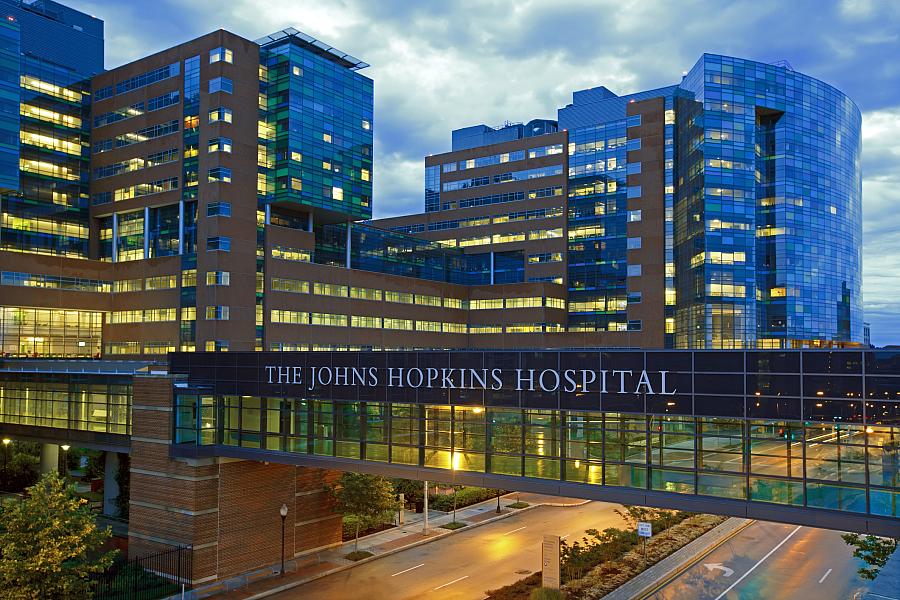
But I was still surprised when I read that Maryland hospitals had seen a dramatic rise in medical errors and mistakes that either killed or maimed patients between 2019 and 2021. The state is home to the renowned Shock Trauma Center at the University of Maryland and one of the world’s most famous hospitals, Johns Hopkins, which had developed the industry’s gold standards for safe medical care. Most stories about health care in Maryland are about the state’s successes. When I saw that the state had recorded an historic increase in deadly and dangerous mistakes, I had to learn more about the patients who had been harmed. I wanted to know if that trend was continuing and if hospital hazards were getting worse.
The state’s 2021 report on medical errors contained a few case studies that provided sparse details about how and why mistakes were made. I needed more detail.
Digging into hospital safety posed several significant reporting challenges, chief among them privacy protections that rightfully keep medical information confidential but also shield private hospitals from scrutiny. Even when the state and the Joint Commission, a private nonprofit organization that accredits hospitals, investigated particularly egregious errors, those investigations often remained private and sealed from public view.
On top of those privacy concerns, I learned that the state had fallen behind in its data collection practices. A data breach had shut down many of the health department’s computer systems and led the state to lose a trove of data on adverse events.
To drill down into the problems that seemed to be on the rise, I requested thousands of pages of patient complaints and state inspection reports. At first, the health department did not want to provide those records, citing the same privacy protections that shield patients’ personal medical information from disclosure.
I challenged those initial denials and negotiated with state officials to get redacted records that allowed me to gather a much deeper understanding of how medical mistakes were unfolding inside Maryland hospitals. Despite months-long delays, I never gave up on getting the data and documents I had requested. Eventually, I was able to obtain new statistics and records from the state that showed adverse events were still steeply rising, even after the worst effects of the pandemic had mostly subsided.
My reporting eventually revealed that serious harm inside Maryland’s 62 hospitals had more than tripled since 2019, reaching the highest level since the state began collecting patient safety data in 2004. I found examples where a premature baby was given four times the safe dose of steroids for nearly two weeks; doctors didn’t properly ensure blood flow to a patient’s uninjured leg during a surgery, leading to a double amputation; and an incident where a maintenance worker mistakenly turned off an unlabeled oxygen line to the intensive care unit, killing three patients.
Our persistence after being told no continued to pay off as my colleague Steve Thompson and I began to investigate a particularly troubling error at Johns Hopkins Hospital that led a patient to have his bladder unnecessarily removed. We obtained a copy of a Joint Commission report that directed the hospital to investigate “a culture of bullying and intimidation in the surgical pathology department” that put patients at risk. That report would normally have remained secret, and the state, commission and hospital initially declined to answer questions about it.
This time, there were few public records to request that could shed light on what happened. Instead, we had to rely on convincing people to talk about an investigation that was never intended to be made public.
We called, emailed and knocked on the doors of dozens of people with direct knowledge of what had happened at Hopkins to try to learn more. Most people ignored our inquiries. Many others declined to talk to us. But four individuals ultimately agreed to share what they knew.
Equipped with a better understanding of how the medical error occurred and fit into allegations of a pattern of troubling behavior within the Hopkins pathology department, I was able to eventually convince the hospital to go on the record about the incident and subsequent investigation. I was able to confirm that the top pathologist at Hopkins had been placed on leave as the hospital continued to look into the bullying allegations. Months later when the hospital’s top pathologist resigned from his prestigious post, I was able to get the hospital to confirm that he had not been cleared of the bullying allegations before he quit.
Though my project ended in 2024, I have continued to report on patient safety in Maryland. Medical errors have continued to rise, but more slowly in recent years. The state is still behind in its data collection, but it has made strides in catching up. Hospitals and state inspectors have made commitments to record better data and address systemic problems to hopefully reverse the trend.