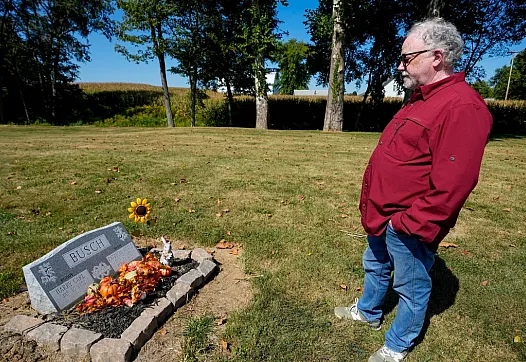
Here's how Dispatch reporters uncovered dangerous radon failures across Ohio
This article was originally published in The Columbus Dispatch with support from our 2025 National Fellowship and Dennis A. Hunt Fund.

The Dispatch's groundbreaking investigation "Invisible Killer" was years in the making.
Max Filby, one of the reporters who worked on the series, first heard about radon while reporting on high levels of lung cancer in Ohio in 2019. A source said then that high concentrations of the gas and little awareness were contributors.
Like many Ohioans, Filby hadn't heard much about radon, but the emergence of COVID-19 put a hold on plans to investigate further as the newsroom focused on covering the pandemic.
Filby formally pitched the idea for "Invisible Killer" to Dispatch editors in early 2025 and along with reporters Danae King and Samantha Hendrickson, put together a plan to find grant funding to test homes for radon.
How we did our own on-the-ground radon testing
With the help of grants from the Annenberg Center for Health Journalism at the University of Southern California and the National Press Foundation, The Dispatch was able to test 68 homes in September and early October in Franklin, Delaware and Licking counties.
Tests showed 54 of those homes, or 79.4%, with results above the threshold the Environmental Protection Agency recommends for mitigation.
The Dispatch also created a borrowing program for radon monitors through the Columbus Metropolitan Library. Library card holders can check out the monitors to test their homes for free and submit results to The Dispatch online so reporters can continue covering the issue.
Meet the team behind 'Invisible Killer'
Along with the reporters and photographers who worked on this investigation, executive editor Michael Shearer and managing editor Rick Rouan edited stories and oversaw the series.
Digital producer Bryce Houston and USA TODAY Co. digital design leader Andrea Brunty handled online elements. Photojournalist Adam Cairns contributed images and Jason Bredehoeft oversaw the print design of "Invisible Killer."
Jessica Karns of A-Z Solutions consulted with reporters for the series and conducted testing for The Dispatch.
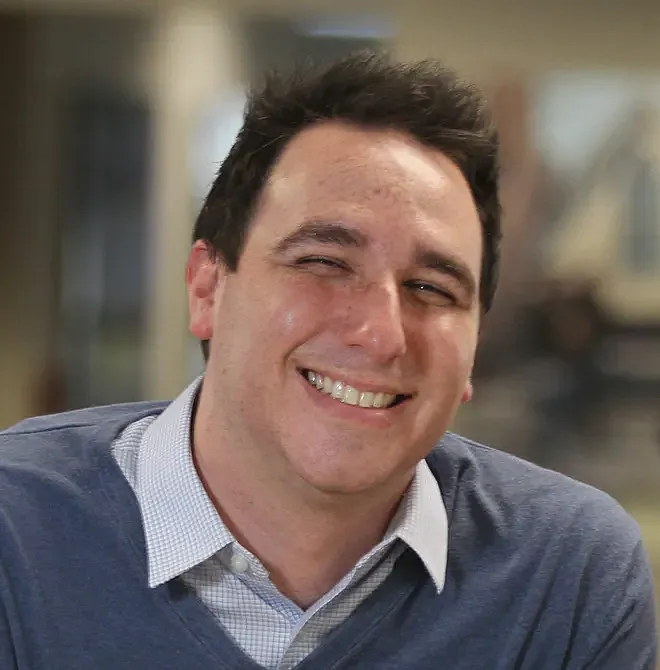
Dispatch reporter Max Filby
Doral Chenoweth/Columbus Dispatch
Max Filby has been a reporter since 2013 and joined The Dispatch in 2019 on the health care beat before moving to an investigative reporting role in 2022.
Filby previously co-led reporting on "VANISHED," a Dispatch investigation into how Ohio police fail missing Ohioans. The investigation led Gov. Mike DeWine to establish a state working group on missing persons and the project was a 2025 semifinalist for a Goldsmith Prize in Investigative Reporting.
You can follow him on X at @MaxFilby.
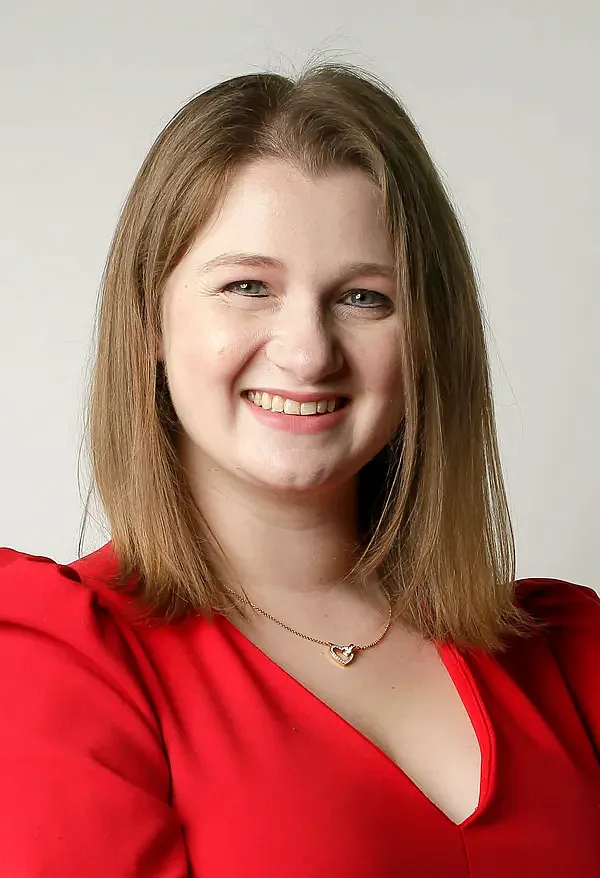
Dispatch reporter Danae King
Barbara J. Perenic/Columbus Dispatch
Underserved communities reporter Danae King has been a journalist since 2014 and first joined The Dispatch in late 2016 as its religion reporter.
During her time at The Dispatch, King has investigated sexual abuse in the Catholic church in Columbus and has reported on immigration issues. King also co-led reporting on The Dispatch's "VANISHED" investigation.
You can follow her on X at @DanaeKing.
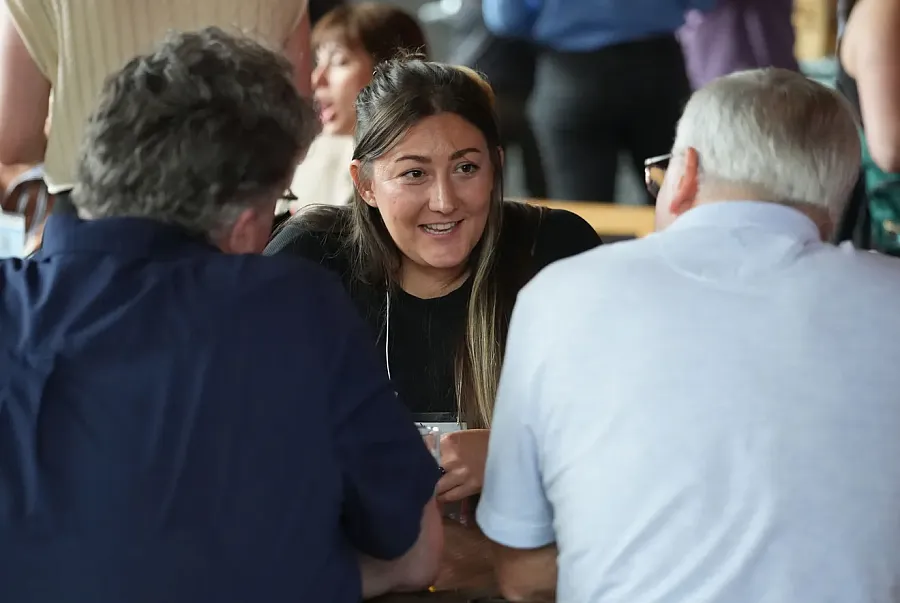
Columbus Dispatch photographer Samantha Madar talks with friends at the launch of the Dispatch Pale Ale at Wolf's Ridge Brewing, 215 N. Fourth St. on June 26.
Doral Chenoweth/Columbus Dispatch
Photojournalist Samantha Madar was in charge of visuals for "Invisible Killer." A former Dispatch intern, Madar returned to The Dispatch in 2024.
Madar is passionate about photographing sports and chronicled the Ohio State Buckeyes as they made their national championship run last year.
You can follow her on X at @samanthamadar.
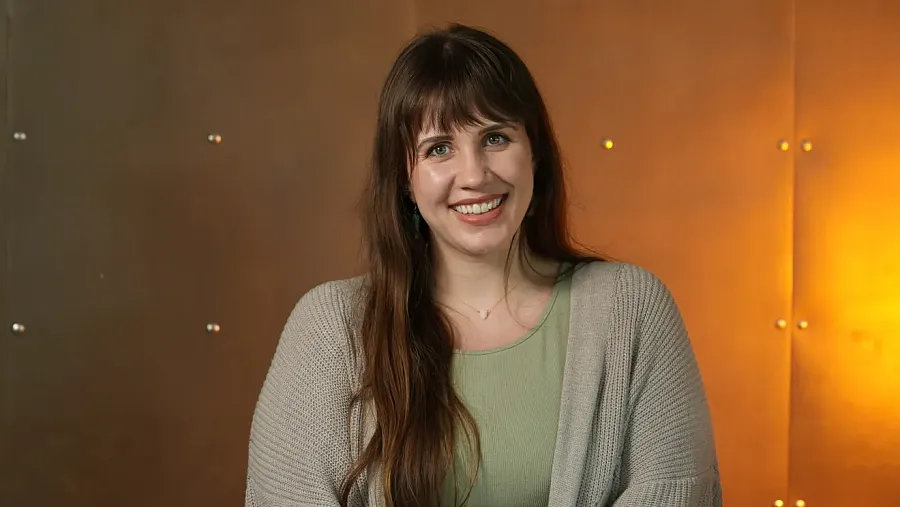
Samantha Hendrickson is a reporter with the Columbus Dispatch.
Doral Chenoweth/The Columbus Dispatch
Samantha Hendrickson has been a reporter since 2019 and joined The Dispatch as a health care reporter in 2024, covering everything from hospital systems to disparities in rural public health.
In recent months, Hendrickson has taken on a new role covering issues that impact central Ohio consumers and some of the region's biggest businesses.