

Rising Anxiety of Immigrant Children Fearful of ICE Raids
The story was co-published with Telemundo 52 Los Angeles as part of the 2025 Ethnic Media Collaborative, Healing California.

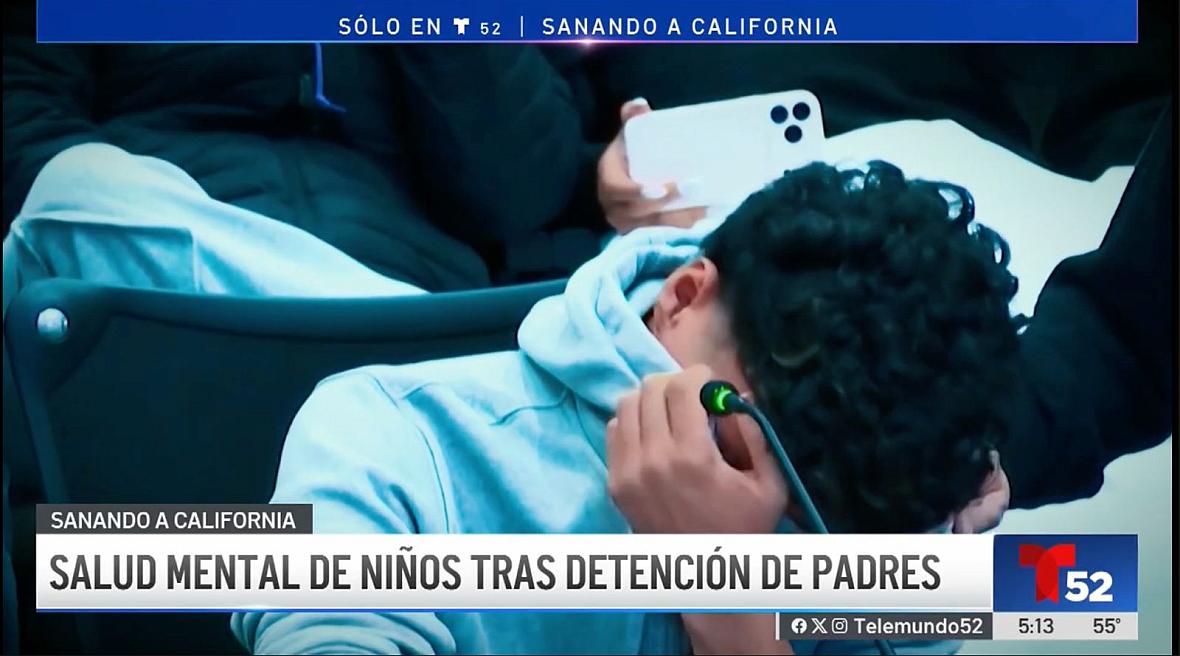
"I'm scared for my parents to walk out there, to walk out their house, because I might not be able to say goodbye to them if they go to work,” says sixteen-year-old Manny Chavez, in a video that went viral. Manny's fear is echoed by many others who live in households where at least one parent is undocumented. In Los Angeles County alone, more than half of U.S. citizens living with undocumented relatives are children—17 years old or younger.
This year, images of immigration operations have become routine across the country, and while the Trump administration insists that ICE doesn't separate families, mental health experts are concerned about what these enforcement actions are doing to children.
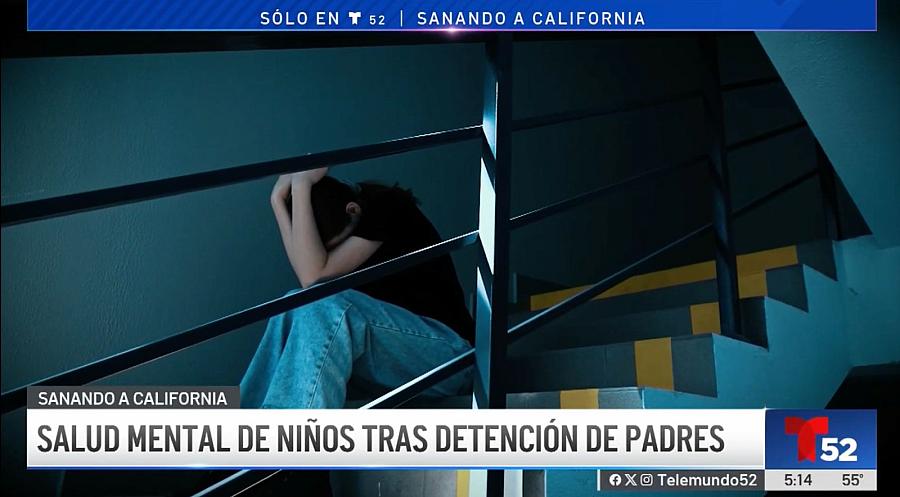
A new report from UC Riverside reveals increased depression, anxiety, and post-traumatic stress among children who feel their families are in danger. Children can't sleep. They stop eating. They withdraw from activities they once loved. Some are too afraid to go to school, terrified that if they leave home, immigration agents might take their parents—or them—and their family will be gone when they return.
UC Merced professor Maria Elena explains that what makes this moment different isn't just the deportations themselves—those have been happening for over a decade, since the Obama administration ramped up enforcement in 2008. What's unique now, she says, is the violence of the street arrests communities are witnessing.
The Department of Homeland Security maintains that ICE doesn't separate families or deport U.S. citizens, stating that parents are given choices about their children's care. But for the families living this reality, policy statements offer little comfort against the chronic stress of not knowing if they'll be safe at school or if their parents will be there when they come home.
Experts urge parents to talk with their children about these fears and to have a plan in case of detention.