

The Sounds of Silence: Why Indian Americans Don’t Talk About Breast Cancer
The story was co-published with India Currents as part of the 2025 Ethnic Media Collaborative, Healing California.


In the Indian context, silence around breast cancer is often tied to broader cultural taboos in which topics like reproduction and sexuality are rarely discussed openly.
Pexels
“I Couldn’t Tell My Mom”
When Nibedita was diagnosed with breast cancer at the age of 40, she did not tell her mother or her mother-in-law, who lived in India. That decision, made from love, isolated her.
Both women, beloved to her, were already dealing with serious health issues. Nibedita’s mother had surgery scheduled, and her mother-in-law, who lived alone in India, was very ill.
Thousands of miles away in Los Angeles, Nibedita wanted to protect them from the worry and pain of her news. “So I told my sisters, but I couldn't tell my mom.”
That silence became one of the hardest parts of her experience. On video calls, she tried to act as though everything was normal. “It hurt — talking to Mom during that time, and pretending that it's all okay.”
In South Asian families like Nibedita’s, the silence around breast cancer is rarely simple. A breast cancer diagnosis often arrives with a second, invisible burden: the pressure to keep it secret. Rooted in cultural taboos around women's bodies, fears of stigma, and the weight of 'log kya kahenge' — what will people say — this silence isn't just emotionally isolating. It can be medically dangerous, contributing to delayed diagnoses, lower screening rates, and treatment deferred until crisis.
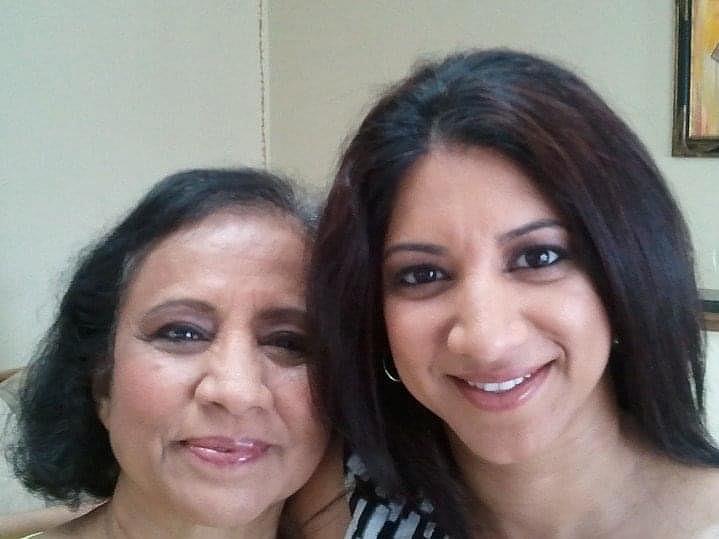
Dr. Ranak Trivedi with her mother Raksha Trivedi
Courtesy of Dr. Ranak Trivedi
“It shouldn’t be called cancer — it should be called an earthquake. That's how Dr. Ranak Trivedi's mother described her own breast cancer diagnosis — a sentiment that Trivedi, a Stanford researcher who has spent years studying South Asian families navigating cancer, has heard echoed again and again.
A Web of Silence
In the Indian context, silence around breast cancer is often tied to broader cultural taboos in which topics like reproduction and sexuality are rarely discussed openly. As a result, conversations about women’s bodies are often avoided, which can further amplify the silence around breast cancer.
Participants in the study at Stanford told Dr. Trivedi that while they did not internalize these stigmas – “if somebody had cancer, I'm not going to be like, ‘oh, you're a terrible person,’ but recognized how prevalent and insidious these beliefs can be within their community. “ I know that my mom thinks that, or my aunt thinks that, or I know society thinks that.”
Dr. Trivedi says she began to notice the silence around cancer while talking with friends whose parents were falling ill.
One case stood out to her: a friend’s mother, a physician in India, who was diagnosed only after her cancer had metastasized to the spine. But even after the diagnosis, the family debated whether to tell her the truth. Some suggested hiding it, even as she was beginning chemotherapy. She died just months after receiving the devastating news.
For Dr. Trivedi, the moment highlighted how powerful the impulse to shield patients from a cancer diagnosis can be in some families.
“There's so much deep-seated fear and stigma around this that even people who are physicians themselves living in places like Delhi are also fearful and are not getting diagnosed,” said Dr. Trivedi. She added that this was a challenge for the Indian American community.
Circle of Friends
In Los Angeles, Nibedita lived with her husband and teenage son, but she had no other family nearby when her treatment began — lumpectomy surgery and chemotherapy after three weeks, followed by radiation. So Nibedita leaned on a tight-knit circle of family friends she had grown close to while living in Los Angeles.
When she began losing her hair and started wearing hats and beanies, her mother-in-law asked why she was wearing a hat indoors. Nibedita brushed it off, saying it was cold or that she had a cold. “I felt so bad lying to her, but at the same time, I knew she would be so worried.”
Her friend circle stepped up to support her. They cooked food and drove Nibedita to her appointments.
“We are really blessed,” says Nibedita. “I didn't cook for three, four months because the community was just there, bringing in food. You want rides or anything, everything, they were there.”
At a time she could not tell even her closest family, that circle of friends became her lifeline—the people she wanted to tell the most were the ones she had to keep in the dark to protect them.
Triaging of Information
Stress often begins with the cancer diagnosis itself and continues through treatment and survivorship and compounded by common fears such as recurrence or metastasis.
But the Stanford researchers found another layer of stress in South Asian women: fear that others would find out about the illness. Because of the stigma associated with breast cancer, the desire to protect loved ones from stress by proxy, and the fear of becoming a burden, some patients painstakingly manage who receives information and when — if ever.
Instead of complete secrecy, Dr. Trivedi describes how families “triage” information — deciding which relatives or friends should know, who should not, and how much to share. This helps Indian American families navigate and manage the complex relationships and expectations that exist in collectivist societies. In Nibedita’s case, it meant telling close relatives and friends in the United States, but shielding older family members in India from her condition.
Clinicians interviewed for the Stanford study admitted they struggled to balance their patients’ cultural norms with established clinical practices, even when health care institutions sought to promote culturally attuned care. Dr. Trivedi describes these conflicts in a paper on delivering culturally attuned care.
For example, some families may ask clinicians not to disclose a diagnosis to the patient, even though clinicians are obligated to respect patient autonomy and be transparent. Sometimes, families request that strong pain medication not be given, so the patient remains conscious, even when the patient has severe metastatic cancer and needs opioids.
Log Kya Kahenge (What Will People Say?)
Researchers also distinguish between social isolation and loneliness. Social isolation refers to the number and availability of people in a support network, while loneliness reflects the emotional experience of feeling alone, even when others are present.
Dr. Trivedi shared the heartbreaking story of a patient who had early-stage cancer. She got a lumpectomy and radiation. She lives in an intergenerational family setting that includes her husband’s parents. Though she was getting radiation treatment, she kept it from her in-laws — “they did not even know about the cancer."
The Guilt of Asking for Help
For some patients, the burden of a cancer diagnosis is one they choose to shoulder alone. They worry that sharing the news will place the weight of worry on people they turn to for help.
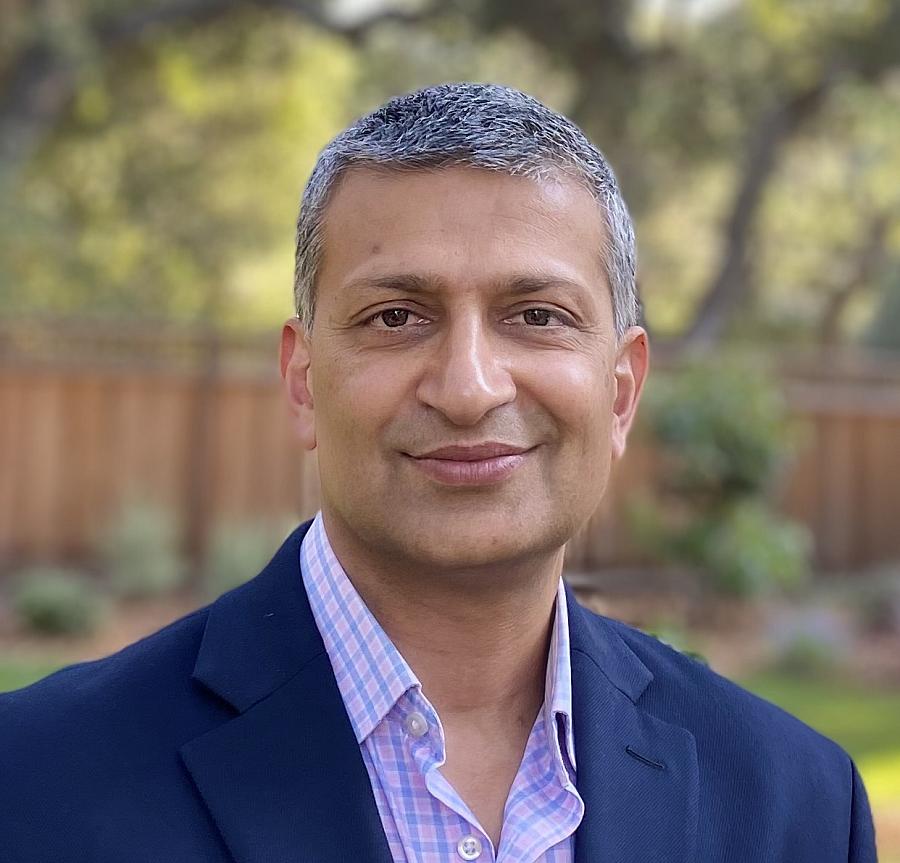
Rahul Mahadevan started WiTT to help other patients like himself.
Courtesy of Rahul Mahadevan
When healthcare executive Rahul Mahadevan was diagnosed with cancer, he remembers his reluctance to seek assistance.
“I needed somebody to go for a walk with me, go to the gym with me. I would wear my sweats, go to the hospital, go for treatment, and drive to the gym, because I knew if I came home and changed, I wasn't leaving. 70% of the time, I sat in my car outside the gym for half an hour and then came home because I just didn't have the energy to go in. The sad thing is, I probably had 30 or 40 people at work who would have happily come if I just said — hey, but I didn't want to — everybody's busy. I don't want to put one more thing on their plate.”
During his treatments, he observed fellow patients choose to delay or forgo treatment because of non-clinical challenges.
Almost every patient said to me, I need help, but I don't want to ask my friends and family to help me, because I don't want to be a burden. Rahul Mahadevan
“How do you take the guilt of asking away from the person going through treatment, whether it's a patient or the caregiver dealing with the patient?” asks Mahadevan.
This experience inspired Mahadevan to start WiTT (We’re in This Together), a platform that makes it easier for friends and family of a patient to organize and provide help.
When the Earthquake Hits
These situations reflect South Asian family dynamics, especially in multigenerational households where caregivers, who are often parents, children, or spouses, are deeply involved in decision-making for the patient.
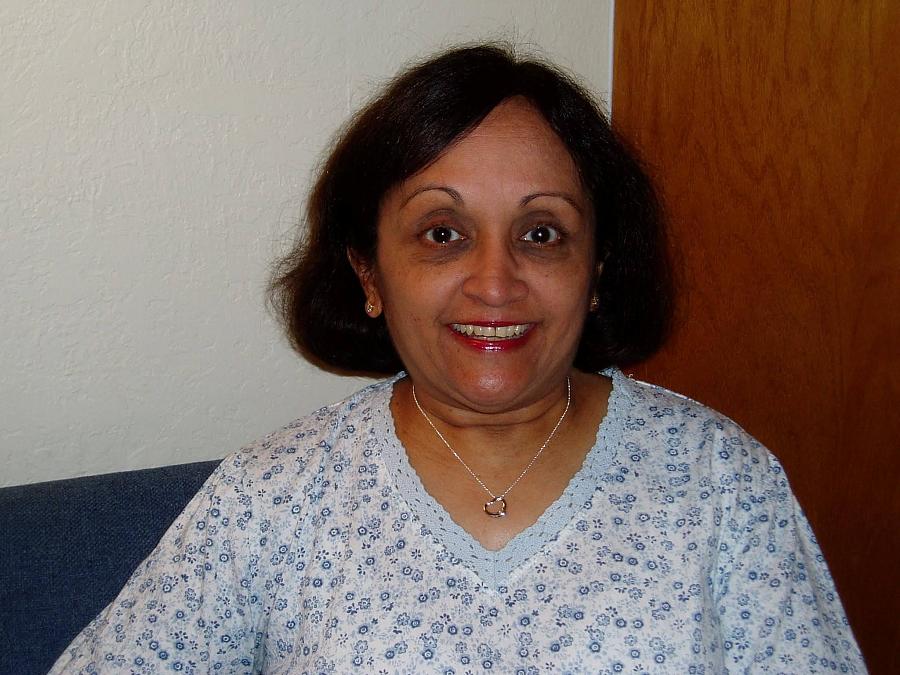
Sandhya Acharya in 2005
Courtesy of Mukund Acharya
Sandhya Acharya was diagnosed with an aggressive form of breast cancer at 63. The diagnosis came as a huge shock to her husband, retired engineer Mukund Acharya, who now lives in Sunnyvale. Sandhya had always prioritized healthy dietary habits and self-care; she had always had her annual mammograms.
In 2010, Mukund moved the family from Arizona to the Bay Area after learning that a leading expert in triple-negative breast cancer was at Stanford Hospital.
“She underwent the lumpectomy, the focused radiation treatment, and a chemo regimen — everything at Stanford.”
Mukund was at her side throughout. “From her first cancer diagnosis, I never missed one of her appointments. Even a simple lab test — I was there.” Together, they made lists of questions before appointments, reviewed them, and navigated the exhausting ups and downs of chemotherapy, including three emergency admissions.
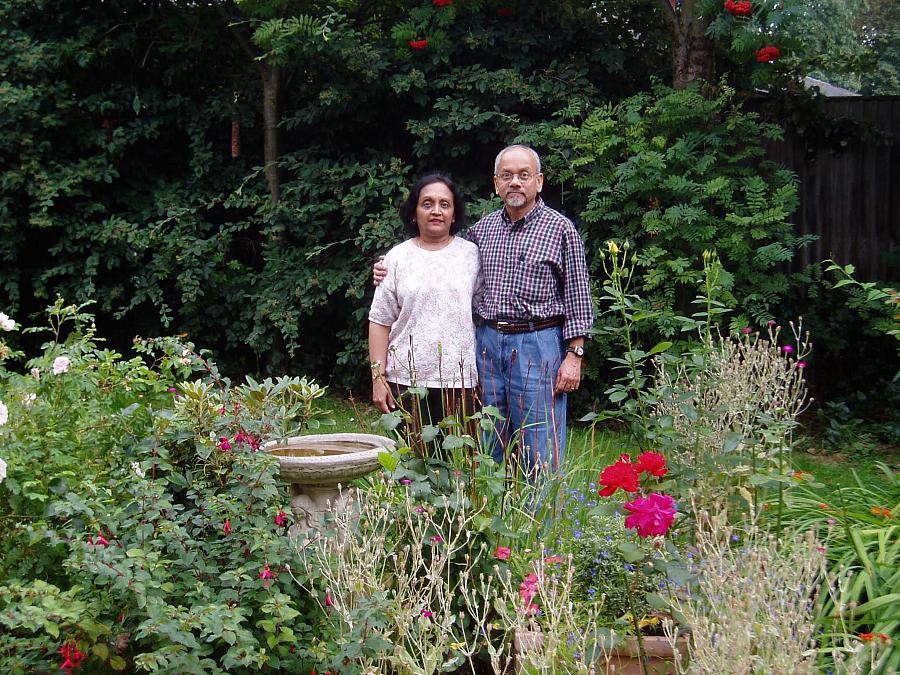
Mukund and Sandhya Acharya visiting London.
Courtesy of Mukund Acharya
Mukund was Sandhya’s primary caregiver. “My caregiving gradually increased as her needs grew,” he said. He prepared home-cooked meals she could eat, and her favorite breakfasts and tea just the way she liked it.
There was little socializing. They maintained a few close friendships and took trips when she was able — visiting Hawaii, Monterey, and India, while celebrating milestones like the birth of their first grandchild.
Sandhya stayed in remission for 2 years, but on a quarterly follow-up visit, Mukund remembers, “just from the look on the doctor’s face, we knew things weren’t right.”
The cancer had spread to Sandhya’s lungs and brain, and eventually, the family faced a difficult decision to transition to hospice care. Surrounded by loved ones, she passed away peacefully on July 1, 2014.
In her memory, Acharya and his family established the Sandhya’s Touch Foundation. The foundation works to improve the quality of life for individuals with chronic or serious illnesses by funding projects that support patients and their families.
But all that time from diagnosis to treatment, Sandhya’s mother did not tell her father about the cancer. “She was the apple of his eye — it would have been devastating,” said Mukund. Sandhya’s father passed away without ever finding out about his daughter’s diagnosis.
The Many Sounds of Silence
“I'm just naturally a private person,” says LA-based Punita Khanna, a health care executive, now 10 years cancer-free. Raised in the U.S. since age four, Punita says she “grew up with some of those taboos that I don't think that I thought about cognitively, but they might have been there in my head culturally.”
Her brother-in-law had passed away a few years earlier from a very rare form of cancer, and the family was still grieving. Punita’s only son, Rahul, was a child. She decided not to tell him. “I wanted Rahul to have as normal a life as possible,” says Punita. She shared her diagnosis with a few friends who helped with pick up and drop off. She adjusted her work schedule.
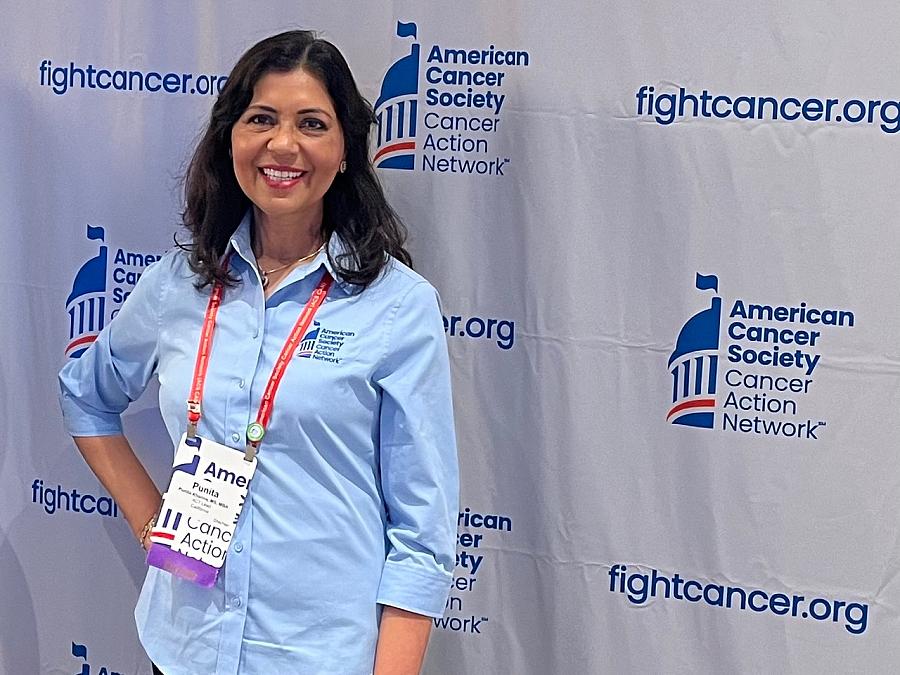
LA-based Punita Khanna, a health care executive, now 10 years cancer-free
Courtesy of Punita Khanna
Punita did not tell her mother in Chicago either. “They all just cry," she says, thinking of a relative who had died from cancer. For Punita, the more pressing question was her own survival and managing her treatment. Biomarker testing proved to be a life-changer. In Punita's case, a lumpectomy followed by radiation.
While Punita told her siblings, she did not want them to come to L.A. to help because she said the logistics of organizing their visit “would be more stress on me.”
“What good is it gonna do to me? I have people here, that's wonderful.” Punita just wanted to get on with her life.
She feels that the silence around breast cancer grows not just from cultural norms but also from a broader tendency to put your best face forward.
“I’m not sure if (silence) is specifically cultural,” Khanna says. “When I spoke with American women, they said the same—they didn’t share everything and wanted to maintain appearances.”
“I think this can be part of many cultures.”
Breaking the Silence
"It took me years to talk about it," says Punita. But when she did, she found she wasn't alone. Punita took her experience as a patient and became an advocate. Working at the Breast Cancer Research Foundation, she began to notice how many women were carrying the same secret. "They would whisper, ‘I never told anybody. Well, I only told my husband. I never told my daughter till I was older.’ I was floored.”
Now, more Indian American women reach out to her — for prevention and diagnosis alike. She recalls a woman who had delayed her screening for years telling her, "Punita, thank you, I scheduled my mammogram." Others come to her after a diagnosis, asking simply: "I just got diagnosed with breast cancer. What now?"