


On health care, the talk from presidential candidates has been way too sketchy and uninformative, argues contributing editor Trudy Lieberman. Policy details remain vague, and no one has gotten to the heart of what ails the system.
On health care, the talk from presidential candidates has been way too sketchy and uninformative, argues contributing editor Trudy Lieberman. Policy details remain vague, and no one has gotten to the heart of what ails the system.

A new Health Matters webinar this week explored just how different the health care spending map looks when researchers are given access to price and spending data from private insurance plans.

With the third open enrollment period closing last Sunday and predictions suggesting fewer sign-ups than expected, it’s time to be clear about why it’s so difficult to get the remaining holdouts insured.
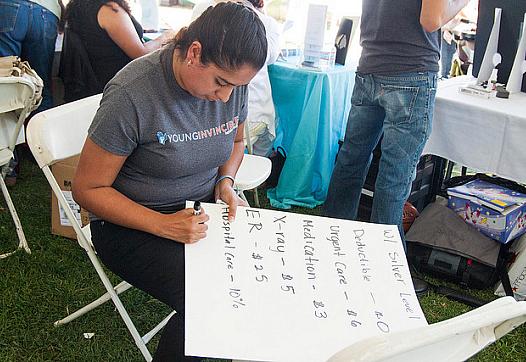
Are insurance policies too complicated to understand? They always have been and always will be unless there are changes in the way policies work, or until there are rules to make it easier for buyers to compare options.

The Food and Drug Administration will review a long-delayed petition calling for the voluntary addition of folic acid to corn masa to prevent neural-tube defects such as those seen in Washington’s cluster.

A complaint filed this week alleges that California is engaging in unlawful discrimination by paying some of the lowest reimbursement rates in the country to the state’s Medicaid providers. As some coverage pointed out, the notion that low rates are limiting access to doctors is “not unfounded."

Cohen recently gave California fellows a master class in how to approach public records. In her talk, Cohen stressed the level of pre-reporting that needs to be done before filing a request. Here are a few key takeaways.

The health insurance marketplaces offer consumers a multitude of options, but sorting out which plan bests suit their needs can be a slog. That’s especially true when it comes to figuring out whether a particular doctor is part of a plan’s network, since the directories are famously unreliable.
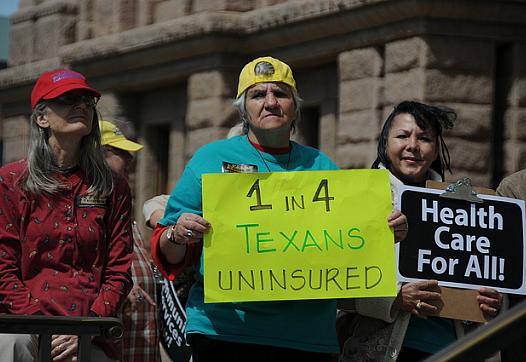
Notions of personal failure and our collective ignorance of what it’s like to live on $8.60 a day help explain why 20 states have not covered the very poorest, and why Medicaid as we know it could disappear.

Starting in 2007, California’s hospital administrative penalties program was designed to bring greater accountability to hospitals that commit “never events” and put patients in immediate jeopardy. So, what does the data tell us about how well it's working?