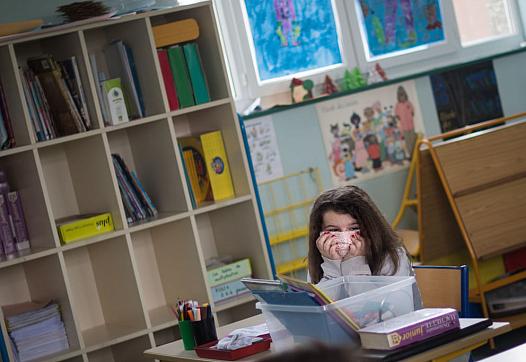
While stay-at-home orders have helped flatten the COVID-19 curve, they present grave new dangers for victims of domestic violence who suddenly find themselves locked down with their abusers. Cities across the country have reported an uptick in domestic violence calls, and some providers report see
Children & Families
"Momentum seemed to be building. And then … nothing."
With psychiatric problems already on the rise for American children, mental health experts weigh in on what we might do to buffer COVID-19's effects on kids.
The Virginia Department of Social Services has seen a 50% drop in calls to the child abuse and neglect hotline since mid-March, but social workers are concerned that an increase in domestic violence and child abuse may be going unreported.
“This decline in calls is unprecedented for Los Angeles County,” said one county official. “We are seeing similar trends across the state of California.”
Martina explores the historical roots of modern obstetrics and gynecology. Dr. Joia Crear-Perry and Dr. Mimi Niles explain how flaws in medical education and research contribute to the Black birthing crisis.
Americans are reporting high levels of emotional distress from the coronavirus pandemic -- levels that some experts warn may lead to a national mental health crisis.
With Californians hunkered down to stop the vicious spread of coronavirus, three Los Angeles County sisters are stranded 400 miles from the places they call home, with no idea when they will be able to return.
Thousands of local residents are out of work due to stay-at-home orders designed to curb the spread of COVID-19, the illness caused by the new coronavirus — and that means many tenants are likely short on rent money.
This story was produced as part of a larger project led by Lindsey Holden, a participant in the 2019 Data Fellowship.
Other stories in this series include:
Can’t pay rent because of coronavirus? Here’s a guide to your housing rights in SLO County
Are you stuck in a SLO County rental with bugs, mold