

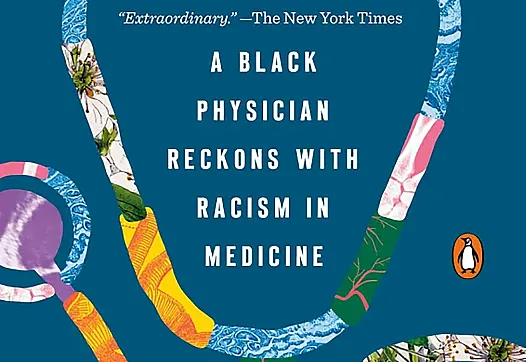
A reading list on race, bias and emergency medicine explores systemic inequities affecting Black patients and health care practitioners.
A reading list on race, bias and emergency medicine explores systemic inequities affecting Black patients and health care practitioners.
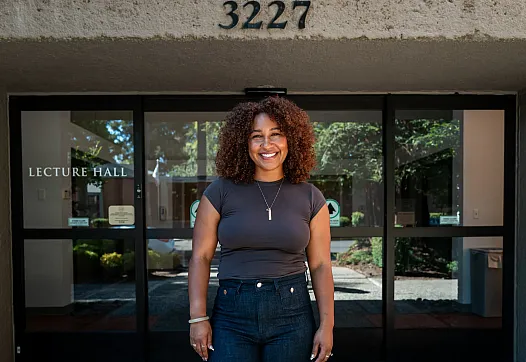
ER nurse Anisa Nesbitt says more Black health care providers can build patient trust, while helping future nurses confront bias and prioritize compassionate care.
Sacramento’s emergency care delays and outdated EMS policies are straining hospitals, with data showing Black residents face disproportionate ER use and preventable hospitalizations.
Stanford ER physician Dr. Italo Brown combines emergency care, teaching and community outreach to push for greater representation and health equity in medicine.
Black patients with lupus and sickle cell disease describe ER visits marked by dismissal, bias and fear, while advocates point to broader inequities in emergency care.
Founded in Pittsburgh in 1967, Freedom House trained young Black men as pioneering paramedics, helping shape modern emergency medical services.
Pediatric emergency physician Dr. Tiffani Johnson studies how racism and inequities shape child health while mentoring the next generation of advocates.
Black patients’ ER experiences are shaped by medical history, implicit bias and disparities in pain treatment, triage and algorithms — prompting advocates to demand systemic change.
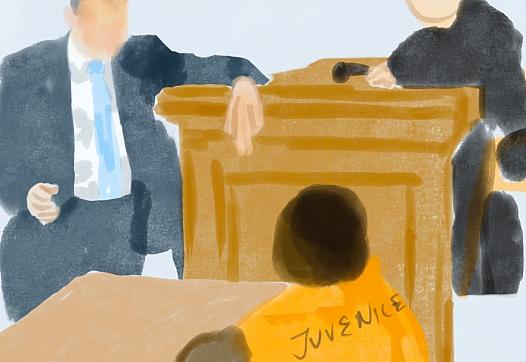
“Prosecutors are going to fight you any time you try to take a tool out of their toolbelt,” a former prosecutor said.
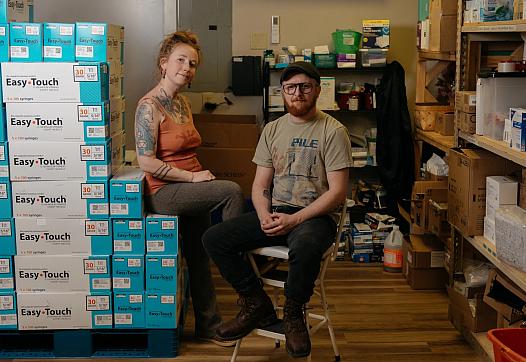
Despite the fact that millions live with addiction to drugs and alcohol, there is often little effort in emergency management to consider their unique needs during disasters.