

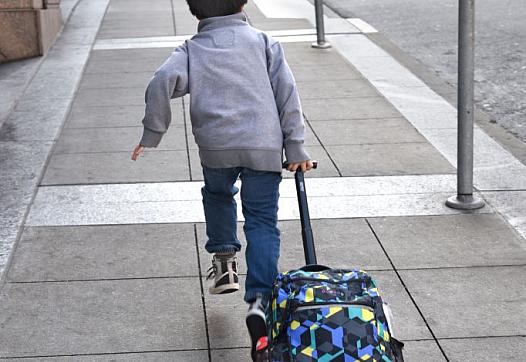
Asian families in NYC’s foster system face invisibility due to poor data and cultural stigma, leading to lasting harm and overlooked reunification struggles.
Asian families in NYC’s foster system face invisibility due to poor data and cultural stigma, leading to lasting harm and overlooked reunification struggles.
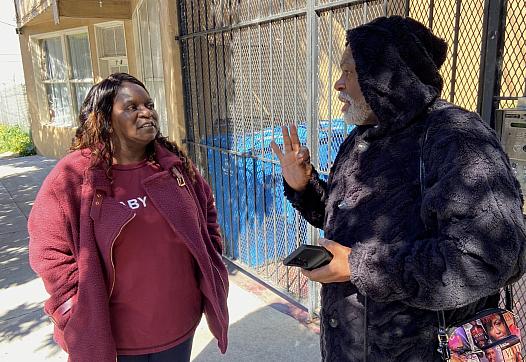
A custom dataset shows toxic cleanups take far longer in marginalized Bay Area communities — even for comparable sites like underground storage tanks.
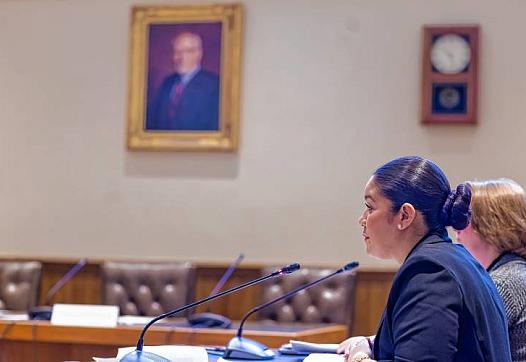
A reporter seeks answers on the use of residential treatment programs nationwide — and the rationale for sending kids away from home.

A reporter finds rising needs, funding gaps, and families forced to give up custody for care.

Native American kids in Montana are placed in foster care at five times the rate of white kids. A data-driven project explores the causes and community-led solutions to reduce this disparity.
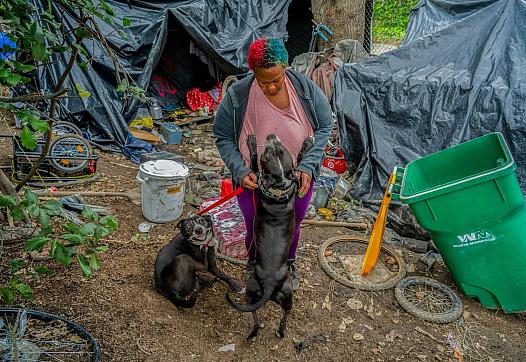
An investigation into the cost of jailing homeless people in Sacramento exposes contradictions in how agencies respond to homelessness.
After months of investigating L.A.'s sanitation sweeps and how they impacted unhoused residents, a reporter faces a last-minute challenge from the mayor's office.
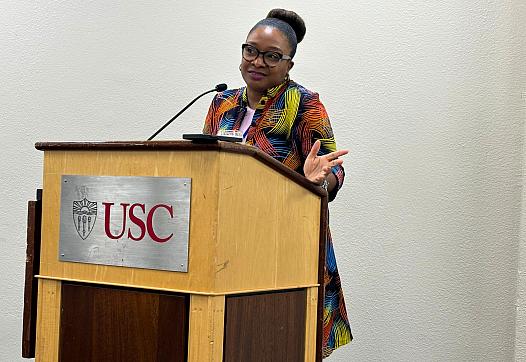
“The pandemic changed me," said Johnson. "It showed me that having no data can be just as harmful as doing data for data’s sake.”

We're thrilled to announce the selection of 17 talented and diverse journalists who will be participating in our 2024 Data Fellowship.

Data fellow Eliza Partika explains how she overcame obstacles while reporting on ambulance diversions and delays in L.A. County.