

The Health Divide: Black women face a higher risk of fibroids, yet many suffer in silence
Author(s)

Image
Getty Images
Published on
February 23, 2026
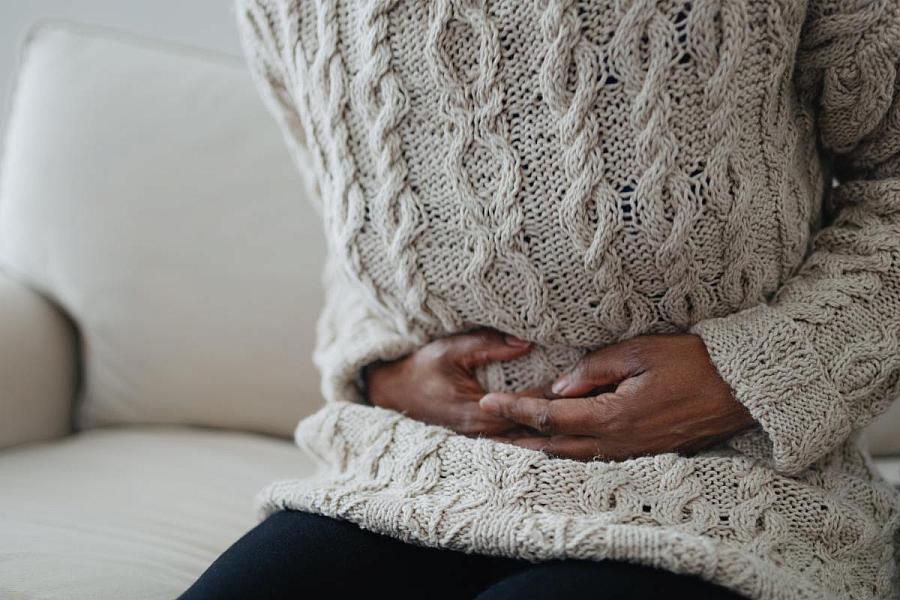
For years, Petrina Lige endured severe pain, bloating, and abnormally heavy bleeding during her periods.
She remembers a difficult time when she bled for almost a month and needed an emergency blood transfusion. "I was in my early 30s when I realized something was wrong. I was married and trying to have children, so I decided to visit my doctor," Lige said.
Lige, an African American contract manager in Atlanta, Georgia, was first diagnosed with fibroids in 2006, when she was 31. Her gynecologist suggested laser treatment. Instead, Lige chose to change her diet and exercise. She saw some improvements, but the bleeding did not stop.
Now 56, Lige wants more women to talk about this issue rather than keep quiet.
Research shows that Black women are two to three times more likely to develop uterine fibroids than white women. By age 35, about 60% of Black women have fibroids, while around 40% of white women the same age are affected. Studies also indicate that they tend to develop these tumors at a younger age, often experiencing larger and more numerous growths.
Other groups are also affected at higher rates, with one recent study finding nearly 22% of Chinese American women affected by fibroids, compared to less than 11% of white women and 13% of Hispanic women.
Lige chose to have surgery the same year she was diagnosed because she struggled to keep up with the necessary dietary changes to manage her condition. She also stopped using hair relaxers after hearing talk about a possible link between perms and fibroids (studieshave explored the link but the evidence remains inconclusive).
Although the surgery effectively addressed her larger fibroids, 10 years later, the fibroids returned, prompting her to undergo additional laser treatments. She was never able to have children.
ABC anchor describes her ordeal
The topic of fibroids and their impact on Black women gained significant attention after ABC News anchor Linsey Davis shared her long-term battle with the condition last August.
Davis, who is African American, discussed her painful menstrual cycles, extreme fatigue, and noticeable bloating after public speculation on social media suggested she might be pregnant while covering the Oscars on the red carpet.
"It was such an embarrassing moment ... but it is a pouch that, you know, happens," Davis said in an interview with actress and model Cynthia Bailey and singer Tamar Braxton, both of whom have also openly discussed their experiences with uterine fibroids. The conversation was facilitated by Dr. Soyini Hawkins, a gynecologist who advocates for women’s health concerns to be taken more seriously.
Coming forward to discuss her battle with fibroids was a difficult decision for Davis, but ultimately one she thought would help other Black women going through the experience.
In August, Davis decided to have a hysterectomy after being diagnosed with 13 fibroids. She hoped this surgery would finally provide relief from this often-overlooked condition. Like Lige, Davis had previously undergone a myomectomy, but the fibroids returned, larger and more numerous, bringing back the challenges she thought she had overcome.
Lige explained that many people don’t understand how fibroids affect not just the person who has them, but also those around them. She shared that she kept most of her feelings about fibroids to herself because she didn’t think anyone would understand her struggle. She recalled how during a trip to Africa for her birthday, the issue reached a critical point due to her constant bleeding. She expressed concern that if she hadn't had access to a private bathroom, she wasn't sure how others would have reacted.
Several factors have been associated with the higher incidence of fibroids in Black women, including lower levels of vitamin D, higher rates of obesity, chronic stress due to racism, and potential exposure to hair relaxers. Dr. Erica Marsh, head of the reproductive endocrinology and infertility division at the Center for Reproductive Medicine at Michigan Medicine's Von Voigtlander Women's Hospital, said that while some risk factors that may be more common among Black women could influence tumor growth and size, none of these factors have been proven to cause fibroids.
Marsh has expressed the need for more research on how fibroids affect different minority groups, and she urged more Black women to take part in studies. "Research has taught us that if you're not included, then you're not represented," she said.
After her blood transfusion, Lige decided to undergo a partial hysterectomy – a decision she wished she had made sooner. “I didn’t realize how much pain I was in until after my surgery. I had been living with pain for so long due to my fibroids that I didn’t know it wasn’t normal.”
Don’t downplay condition as routine
Millions of women, both Black and white, suffer in silence from fibroids because they are unaware that they are not alone.
Health journalists can make a significant impact on the uterine fibroids crisis, but they’re often described simply as a common problem for women — rarely are the racial disparities addressed. There are also many reporting angles that warrant better coverage: Are there delays in diagnosis? Do health care providers dismiss Black women's pain? Are there gaps in insurance coverage? How does Medicaid accessibility affect them? Is there enough funding for research that focuses on women of color?
Fibroids are not just routine gynecological issues. It's crucial to compare their prevalence to other chronic conditions, measure the impact in terms of missed workdays, surgeries and hospitalizations, and recognize the mental health challenges that come with them.