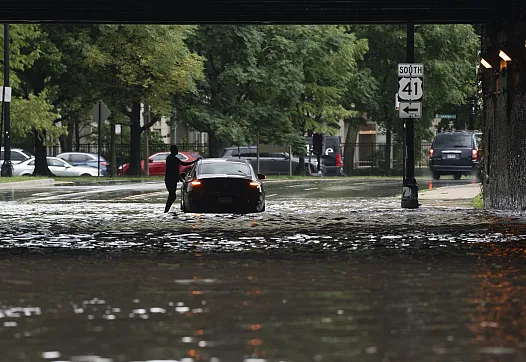
After a flood, mold sticks around and can make people sick
The story was originally published in Chicago Sun Times with support from our 2025 Health and Climate Change Reporting Fellowship.

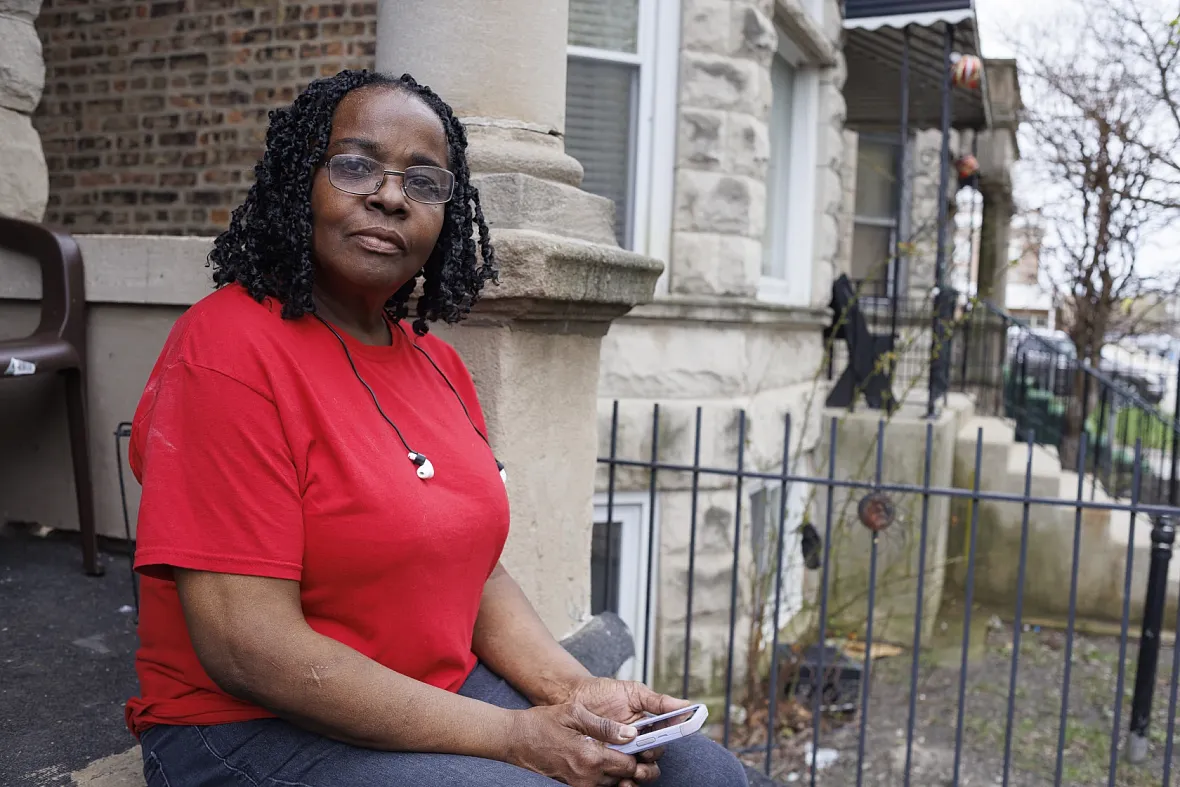
Dorothy Rosenthal’s home flooded in 2023. The storm left behind mold that aggravated her asthma.
Anthony Vazquez/Sun-Times
Dorothy Rosenthal couldn’t believe her eyes.
Four feet of water overwhelmed her basement in West Garfield Park, destroying everything in a storage area, laundry room and an office in July 2023.
A load of memories — from Mother’s Day cards from her two kids, to old toys, and other sentimental items — were ruined. Her computer was destroyed. So were her washer, dryer and boiler system.
That was just the beginning.
The storm “left mold, big black patches of mold,” she said. “Big bubbles, black bubbles on the wall.”
Almost three years later, Rosenthal finally has had the mold removed from her home, persistent black gunk that lined every wall of her basement.
It wasn’t just unsightly. The mold aggravated her asthma, a condition she’s been struggling with for about 20 years.
“It got to the point that … I saved all the washing for Saturday. And once I would wash, two days afterward, I wouldn’t be able to taste or smell,” Rosenthal said. “I can now look forward to washing without being sick for two days after, and I am grateful for that.”
Rosenthal had to live with mold because she couldn’t afford to pay a private contractor thousands of dollars to get rid of it.
She’s not alone. Dozens of flood survivors turned to a West Side nonprofit that is using about $3.6 million in taxpayer money to help pay for flood-related damages and removal of harmful mold. Under the program, about 120 homes are expected to be repaired and remediated by the end of the year, according to the city.
The nonprofit West Side Health Authority,was placed in charge of the program late last year by the city after federal money was awarded to Chicago in 2024.
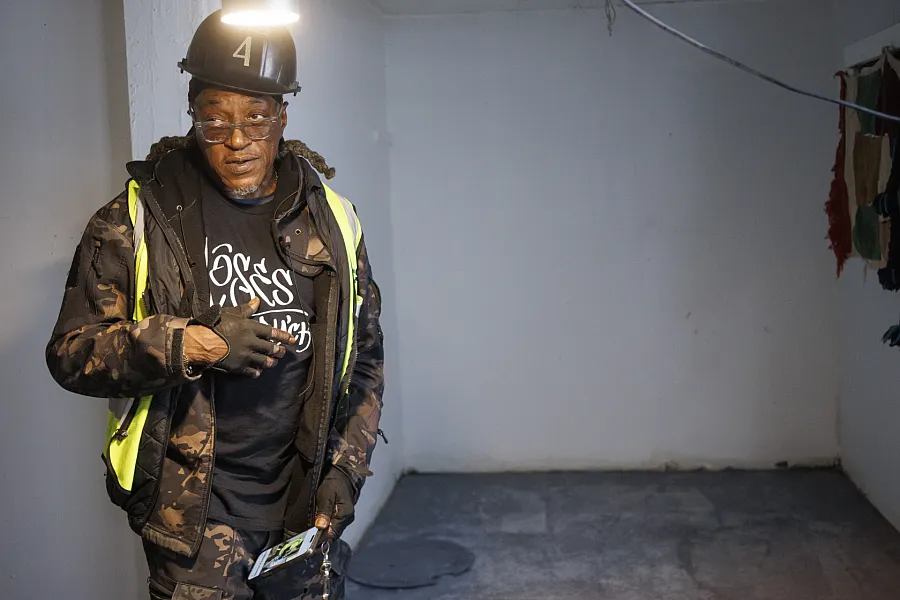
Reginald Akkeem Berry Sr., owner of SOS Works, inspects Dorothy Rosenthal’s basement after completing mold removal and repairs from a 2023 flood in West Garfield Park.
Anthony Vazquez/Sun-Times
More rain, flooding, mold
Rosenthal and her neighbors in Chicago and across Illinois are confronting the effects of more intense flooding and more severe weather. Climate change is contributing to thunderstorms that hit harder and more frequently, like ones that caused flooding in 70,000 West Side and suburban basements in the summer of 2023.
Those storms are also leaving behind serious health threats, including mold, which can make people sick. Tiny mold particles can enter the respiratory system, causing fatigue, rashes and other complications. People with compromised immune systems or respiratory illnesses and the very old or young can be affected more seriously.
“People will have totally different reactions,” said Dr. Sheetal Rao, an internal medicine doctor with UI Health. “It all has to do with your exposure and vulnerability.”
In one particularly serious condition hypersensitivity pneumonitis, patients have an allergic reaction to mold that can lead to scarring of the lungs, making it difficult to breathe, said Dr. Samuel Fox, a pulmonologist with Rush University System for Health.
The problem with tackling mold as a public health threat is that there are many types of mold, too.
“The science is very complicated,” said Dr. Arturo Casadevall, a Johns Hopkins School of Medicine professor. “There are a zillion black mold species. So it’s not easy to sort out one species.”
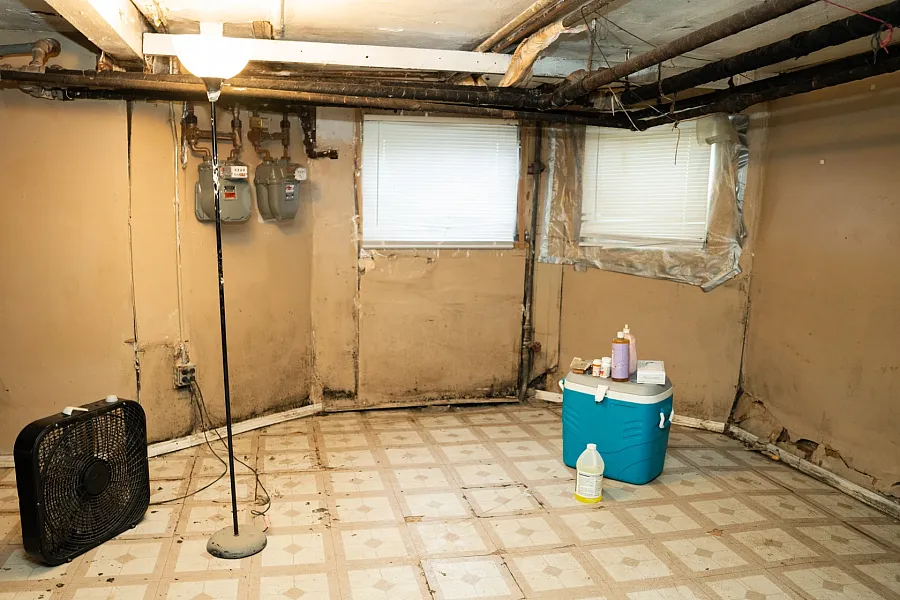
Mold covers the basement walls of a home in Chicago’s Austin neighborhood. Experts say mold can make people sick.
Pat Nabong/Sun-Times
A silent health threat
Despite the public health threat, the city health department offers no help to flood victims.
“We don’t handle mold,” a spokesperson for the Chicago Department of Public Health said while acknowledging that “mold exposure can result in respiratory issues like sneezing, coughing or wheezing, especially for people who suffer from asthma or allergies.”
Neither the city nor the state health departments has numbers on cases of mold-induced illness.
It’s a public health hazard that’s not formally recognized, other than in public housing. Federal housing authorities provide guidelines for the Chicago Housing Authority and other agencies to protect residents from mold.
Doctors can determine whether you’ve developed health issues from the exposure.
Mold can be stubbornly hard to remove because it embeds in drywall and other surfaces.
“Three years after, and the mold grows,” said Rubye Bailey, who lives in Austin and just had work done to remove mold from her finished basement, which flooded in 2023. “Mold took over.”
Ald. Emma Mitts (37th) said more has to be done to prevent this kind of flooding, including improving infrastructure to manage the stormwater.
“More is needed to mitigate these growing environmental challenges and reduce resulting potential health concerns related to basement mold, debris and dirty water,” Mitts said.
In 2023, Mayor Brandon Johnson walked through his Austin neighborhood and other West Side communities and told residents that government officials were doing all they could.
Now, City Hall is figuring out how to spend more than $400 million in federal housing money related to the floods.
“My administration is committed to making sure these dollars get to the people who need them most as efficiently as possible,” the mayor said in a written statement.