

California Bets on ‘Wraparound’ Care to Prevent Children Being Surrendered to Foster Care
In this next installment in The Imprint’s ongoing investigation into parents who relinquish their kids to foster care, reporter Sara Tiano examines why numbers are lower in California — and how the state has “wrapped around” families to try to keep them intact. Sara reported this story and built the database while participating in the USC Annenberg Center for Health Journalism’s 2025 Data Fellowship.

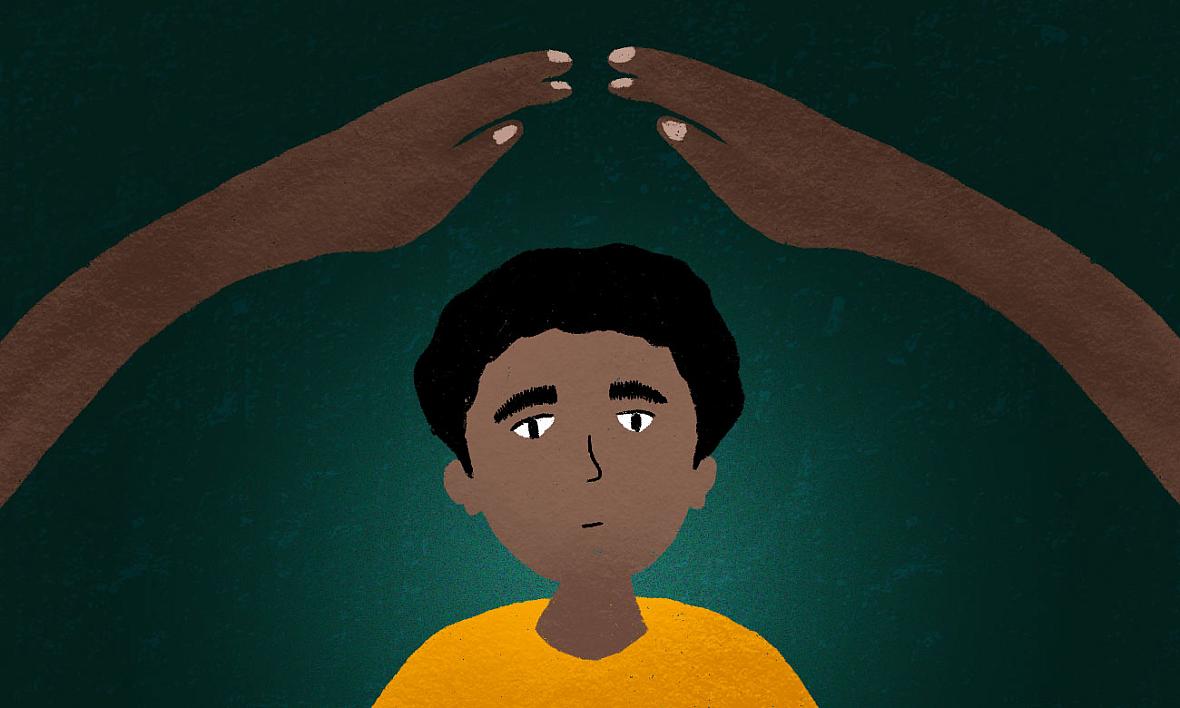
Illustration by Christine Ongjoco for The Imprint.
When Leticia Galyean began work as a home-based counselor for families in Oakland, California, in the early 2000s, she was well aware of the stakes: The kids she worked with had such severe behavioral and mental health challenges that despairing caregivers were on the verge of turning them over to institutions.
Her job was to help stop that from happening. She relied on a nascent program dubbed “wraparound” that gave her broad latitude to get creative.
One 12-year-old client had major depression that, among many behaviors, presented as hypersomnia, a form of extreme sleepiness. She struggled to get up for school, or stay awake for family meals and outings with her foster family.
Galyean’s fix? Taking her for long, therapeutic drives — sometimes two or three hours at a time. The solitude of the car and the calm of the open road gave them space to talk through the girl’s violent, intrusive thoughts and work on coping mechanisms, she said.
In other sessions, she’d sit with the preteen and her foster mom at the kitchen table, helping them strengthen their relationship and come to agreements on house rules. Galyean said she or a social worker on the wraparound team visited four days a week over a year and a half.
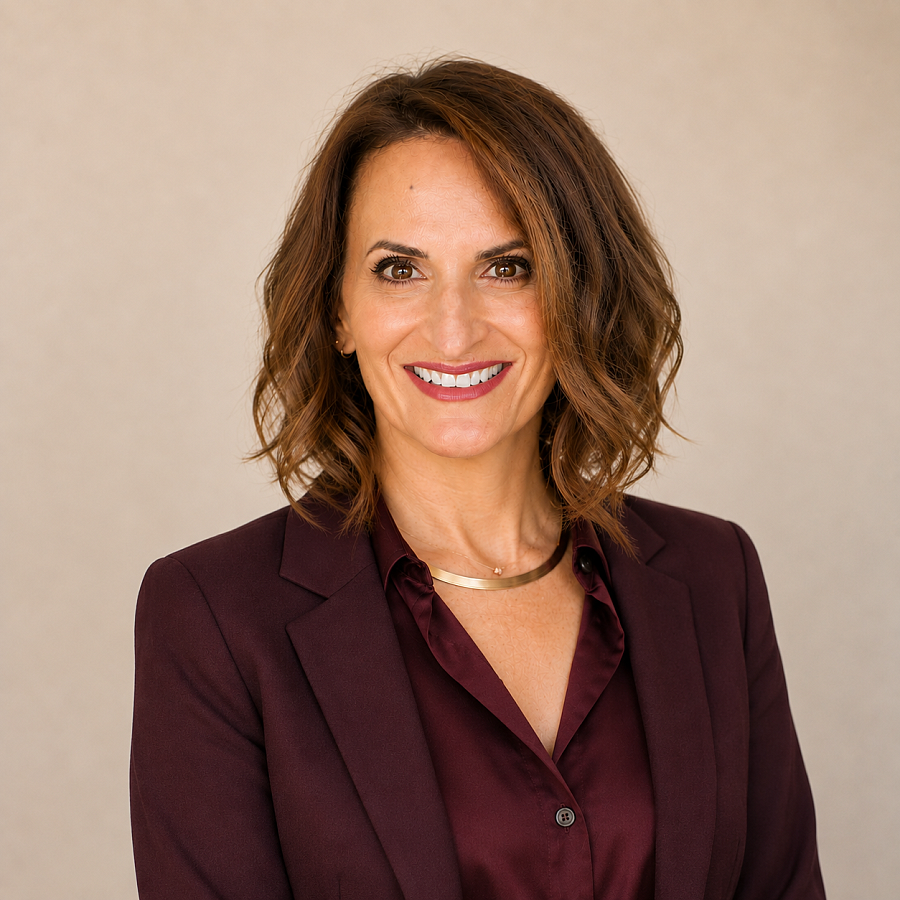
Leticia Galyean
“With intensive wraparound services, this young person was able to meet all of her goals, including increased behavioral health stability, increasing and sustaining regular contact with two older and supportive siblings, better placement stability in her foster home and growing stronger attachments with her foster parents,” Galyean said.
Decades ago, wraparound services like these represented a paradigm shift in behavioral health care. Instead of social workers, therapists, psychiatrists, religious leaders and school counselors making separate plans for struggling children, wraparound care knit them together. Working as a group, members of teams made home visits, collaborating with the child, parents and siblings to outline their goals and individualize care. The plans allowed for nimble, creative approaches, with practitioners empowered to do whatever was necessary to support the family’s needs.
Today, state leaders are expanding the approach in order to care for some of the hardest-to-treat children — and broadening services beyond the foster care population. A new law that took effect last month will require all California counties to offer high-quality wraparound programs by 2029.
This work represents a powerful continuation of our commitment to children, youth and families across California.”
— Nancy Hafer, UC Davis’s Resource Center for Family-Focused Practice
And this summer, the state’s Department of Health Care Services launched the High Fidelity Wraparound Behavioral Health Center of Excellence, based at the University of California, Davis. The center will certify that county wraparound programs meet national standards, and will train staff and provide technical assistance.
“This work represents a powerful continuation of our commitment to children, youth and families across California,” said Nancy Hafer, director of UC Davis’s Resource Center for Family-Focused Practice, which is hosting the new effort. “We look forward to helping translate new policies into practices that keep families at the center.”
Thousands of California children ‘relinquished’ for care
This year, The Imprint has been investigating how frequently children enter foster care — not due to parental abuse or neglect — but because parents voluntarily hand their children over to CPS due to violent or self-harming behaviors they feel they can’t manage at home.
State data compiled by The Imprint for a first-ever database of its kind shows that 28,209 children nationwide were relinquished to foster care between 2014 and 2024 — certainly an undercount based on the limited number of states that provided data. Roughly half of these children eventually returned home to their families.
The statistics include 4,535 California children, according to the state’s Department of Social Service — cases often called “relinquishments.” That figure accounts for less than 2% of all foster care entries in that decade. Relative to its population size, California has fewer such cases compared to other states.
According to state and local officials, this is due in part to California’s county-run child welfare agencies, which — unlike in states such as Minnesota and Maryland — do not allow parents to place their kids in foster care to receive mental health care treatment.
If it works the way it’s supposed to work, they’re not going to say: ‘Here are the four options we have, and so we’re going to plug you in.’ They’re going to say ‘What do you need specifically? And then let’s be really creative and figure out how to build it.’
— Jennifer Rodriguez, Youth Law Center
Jason Montiel, a spokesperson for the state’s Department of Social Services said state law allows for county agencies to make “voluntary placement agreements” for this purpose. But it is rarely applied in most counties, he said, with foster care typically reserved for cases involving substantiated findings of abuse or neglect by a child’s caregiver.
Ken Berrick, a longtime children’s mental healthcare provider, pointed to California’s more robust public behavioral healthcare system. And key to its relative success in limiting parental relinquishments, he added, is wraparound care. Berrick called it “our most robust tool.”
The new state funding available to counties will expand wraparound care options to households with parents who still have custody of their children, making it available to families with kids at risk of entering foster care.
It is also aimed at improving the quality and consistency of the services statewide.
The Department of Health Care Services cannot yet provide an estimate on how many additional families they expect to reach. The state expense, too, is unclear because programs provided by wraparound have been historically billed individually, rather than as a whole, so they can’t be easily tracked, a department spokesperson said. Costs per child can reach between $4,000 and $8,000 a month, practitioners say.
Jennifer Rodriguez, executive director of the San Francisco-based Youth Law Center, is a longtime proponent, too. She said the new attention from the state will hold practitioners to a higher standard and broaden options for families who feel they’ve run out of workable treatment options.
“If it works the way it’s supposed to work, they’re not going to say: ‘Here are the four options we have, and so we’re going to plug you in,’” Rodriguez said. “They’re going to say ‘What do you need specifically? And then let’s be really creative and figure out how to build it.’”
A long track record
The term “wraparound” was first promoted nationally in the late 1970s, and now exists to some extent across the country.
The method is included on the federal government’s list of evidence-based programs to prevent foster care, and on several state-based lists of approved treatments for foster youth. Ten core principles developed by the Portland State University-based National Wraparound Institute define it as being driven by “family voice and choice,” focusing on strengths and outcomes, and being culturally responsive and persistent through setbacks.
A 2021 meta-analysis of research on wraparound’s effectiveness showed “positive outcomes” for youth with “severe emotional disturbances.” It was particularly helpful in keeping children in their homes and communities, rather than institutions. The research also found wraparound to be less costly than other treatments for youth needing intensive care.
As a program to prevent foster care, according to the federal government’s clearinghouse, the evidence is more limited. The efficacy of wraparound is ranked as “promising” — enough to qualify for federal funding, but a lower evidence base than the higher standard of “supported” or “well-supported” by research.
In California, variations of wraparound care have existed for 30 years. It was first introduced by state lawmakers in 1997 as a pilot program providing services that would be “wrapped around a child living with his or her birth parent, relative, adoptive parent, licensed or certified foster parent, or guardian.”
Wraparound services for families were again codified in the 2004 voter-approved ballot measure Proposition 63. The sweeping plan established the Mental Health Services Act, funded by a tax on millionaires. As one of its seven provisions, wraparound services for families would serve households “where the children are at risk of being placed in foster care.”
Legislators and government officials outlined the need for it during hearings on the proposition.
“There are hundreds of thousands of children with serious mental illnesses, serious emotional disturbances, that are going untreated, and they pay a huge price; their families do,” co-author Assemblymember Darrell Steinberg told fellow lawmakers in 2004.
Dan Carson, with the Legislative Analyst’s Office, said during a hearing that a key goal of Proposition 63 was to make community-based treatment accessible regardless of income or insurance, and to urge struggling parents to tap into wraparound resources earlier on — “before families dissolve.”
They can walk into a family’s home and say, ‘I have literally walked in your shoes, and I can help support you in navigating through this.’
— Leticia Galyean, Seneca Family of Agencies
The Mental Health Services Act expanded the services beyond the foster care system to include adoptees, children in the juvenile justice system and families with private insurance, or those served through public behavioral healthcare systems.
The members included on wraparound teams have also expanded, said Galyean, who is now CEO of the Oakland-based Seneca Family of Agencies, where she was once a wraparound counselor. Now, “peer partners” with firsthand experience work with children and families as well.
“They can walk into a family’s home and say, ‘I have literally walked in your shoes, and I can help support you in navigating through this,’” she said. “The ability to say that and be with a family in those moments just creates an incredible amount of engagement, hope and support for families that is often not possible with typical paid professionals.”
Still, for many families so strained they’re considering custody relinquishment, the major concern is that their ill child might hurt others in the home. Is wraparound suited to help them? Galyean said in many cases, yes.
On-call counselors, clinicians and peer partners can be deployed at any time if crisis strikes in the middle of the night. During particularly acute times, counselors might be based at the home during all waking hours.
“If there is an ability to intervene in ways that we can maintain the safety for everyone involved, but might just require some, for example, separation, or another adult to be around to help make sure that folks can be safe — absolutely,” she said. “You can really do whatever it takes.”
Quality matters
Wraparound is “recognized nationally as the gold standard for preventing out-of-home placement for youth living with significant behavioral health needs,” according to California’s Department of Health Care Services.
But that’s only accurate when practitioners closely follow the standardized model developed by the National Wraparound Institute and vetted by federal and state governments, according to California officials. And those familiar with statewide practices say that isn’t currently guaranteed throughout California, where the quality of services varies greatly.
“We’ve had wrap in various forms, but there’s been an acknowledgement as wrap has rolled out, it’s one of those things that actually doesn’t currently have a lot of meaning to it,” Youth Law Center’s Rodriguez said. “What wrap looks like in Sacramento is entirely different from what wrap looks like in Alameda County or in L.A. County.”
The Behavioral Health Services Act, an updated version of the millionaires’ tax originally enacted through Proposition 63, aims to change that. Under the new law, counties must adhere to statewide standards by 2029 “so services are consistent and effective statewide.” Between Medi-Cal and the funding generated by the ongoing tax, state officials say high-quality wraparound will be available to “all youth under 21 who need intensive, family-centered care, regardless of system involvement.”
Although there will be variation among counties, Galyean said the new certification provided by the UC Davis center “has the potential to create that consistency in terms of what we want wraparounds in California to look like.”
Will it be enough?
Still, wraparound may not be enough for all families whose children are in the extreme throes of behavioral health illness.
We have fought so hard, and we will continue to fight. I would love for him to receive treatment in a safe facility so that he can come home and we can be a family again.
— Lindsey, Adoptive parent in Georgia
In its earlier coverage, The Imprint described the circumstances of families across the country such as Georgia parents Lindsey and Kris, who shared their story with first names only to protect their young teen. They described their household as chaotic and scary amid their adopted son’s frequent violent outbursts that have landed him, repeatedly, in psychiatric hospitals. Their daughters, also adopted from foster care, live in fear in their own home, Lindsey said.
But absent enough intensive services at home, she and Kris feel residential treatment is their only safe option.
“We love him very much,” Lindsey told The Imprint this spring. “We have fought so hard, and we will continue to fight. I would love for him to receive treatment in a safe facility so that he can come home and we can be a family again.”
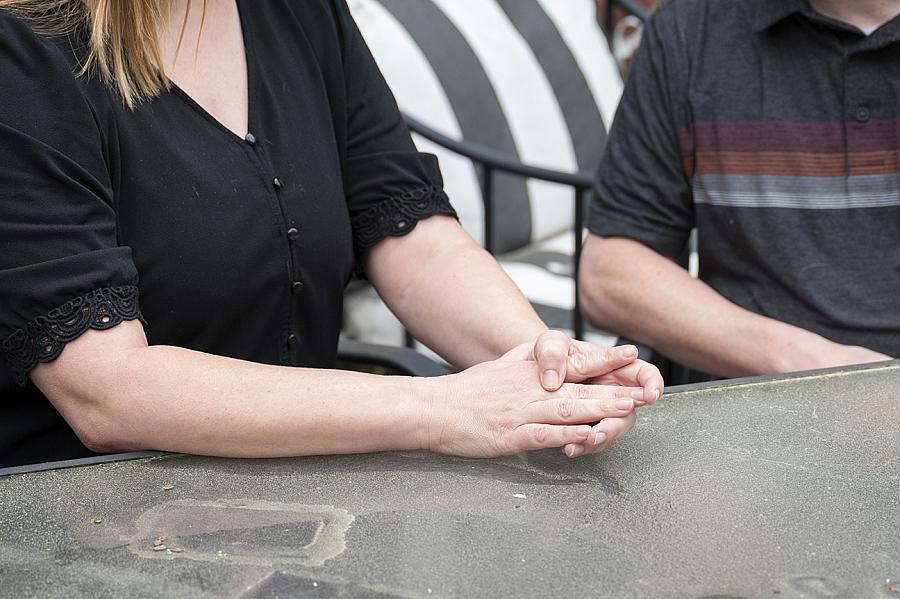
Lindsey, left, and husband Kris at their home in Georgia.
Photo by Cindy Elizabeth for The Imprint.
Minnesota mom Michelle Wood spoke tearfully before the Minnesota state Legislature last year. She described her adopted daughter’s love of animals and sense of humor, and also her suicidal ideations and violent behavior toward her younger brother. When the girl attacked her best friend at school, police were called and the cycling between psychiatric hospitals and juvenile facilities continued.
Wood begged lawmakers for help.
Some child welfare and mental health professionals say for families like these, wraparound can be a helpful resource, but it’s not enough.
Adrienne Shilton, senior vice president with the California Alliance, which represents service providers who serve children and families, is among those arguing there will continue to be some children who need residential care.
Wraparound is critical, she said, and can be highly effective at keeping some kids from going into foster care for residential treatment. But “not every kid has access to a family home or supports,” she said. “They need to be in a much more structured environment.”
Currently, the main non-hospital options for residential care in the state are Short Term Residential Treatment Programs, which are limited to six-month stays, with shorter periods for younger kids. But they typically serve only foster youth. It’s very challenging for parents with custody of their children to access the programs on their own, especially for adopted youth.
Shilton recalled the recent case of a 10-year-old boy who had been adopted and then sent back to foster care by two separate families. An aunt later took him in but ended up relinquishing his custody to foster care so he could get specialized residential treatment, where he’s cared for around the clock by four dedicated professionals.
“Yes, we’re talking about a small number, but that kid matters — so we should have programs in our state that can serve that kid and others like him,” she said.
But Rodriguez maintains that while some children may need time-limited residential care, it often ends up causing more harm than help, particularly in programs that have no evidence showing they are effective. She calls institutionalization “the system throwing up its hands.”
In her 27 years of working with and on behalf of foster youth and their caregivers, she said nearly every family has told her they could have avoided residential care if they’d received support like wraparound earlier.
But too often, she said, “We’re waiting for families to fall apart before we’re offering help.”