Reporting

Our fellows and grantees produce ambitious, deeply reported stories in partnership with the Center for Health Journalism on a host of timely health, social welfare and equity topics. In addition, the center publishes original reporting and commentary from a host of notable contributors, focused on the intersection of health and journalism. Browse our story archive, or go deeper on a given topic or keyword by using the menus below.
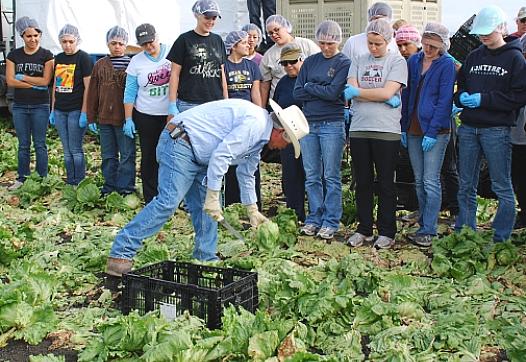
<p>“Tenemos los baños y los break rooms (cuartos de descanso de los empleados)”, respondió Perla Rodríguez, vocera de los supermercados Mi Pueblo, cuando se le preguntó si la compañía les ofrece a las empleadas que amamantan un lugar especial para extraerse la leche.</p><p>Al mencionársele que lo

<p>Who will be the winners and losers amid health reform's planned expansion of Medicaid? In her reporting, Danielle Ivory finds shifting power dynamics and unexpected financial risks for insurers.<span>&nbsp;</span></p><p class="MsoNormal">&nbsp;</p>

<p>This story is Part 14 of a 15-part series that examines health care needs in Gary, Ind.</p><p class="body.text">When Shantray Hooks, of Gary, lost her job as a restaurant cook in August, she didn’t know how she would pay for doctor visits.</p> <p class="body.text">“I had no health insurance and I couldn’t afford to pay a doctor,” said Hooks, 29, who was diagnosed with diabetes several years ago.</p> <p class="body.text">A doctor referred her to the Community Health Net of Gary, a federally qualified community health center that provides comprehensive primary care health services and charges on a sliding fee scale for services.</p>

<p>This story is Part 13 of a 15-part series that examines health care needs in Gary, Ind.</p><p class="body.text">The health of a city’s residents is inextricably linked to its economic vitality, according to historians, and the business and political leaders of Gary.</p> <p class="body.text">They said the high rates of chronic disease and infant mortality plaguing Gary did not occur in a vacuum, but resulted from 40 years of urban decline, generations of poverty and high unemployment, a lack of access to health care providers, poor lifestyle choices, historic racism and an evolution in American manufacturing that collectively have decimated industrial urban America.</p> <p class="body.text">&nbsp;</p>

<p>When 11-year-old Shania Lape sees an overweight classmate struggle to keep up, she's filled with sympathy.&nbsp;"They can't run as fast, they can't play the games at school because they're not healthy," said Shania, a fifth-grader at Kenly Elementary in Tampa.&nbsp;Worse yet, not being able to

<p>It's 6 p.m. You're tired and hungry. Food is the No. 1 thing on your mind.Your favorite fast-food restaurants line the roads home – McDonald's, Taco Bell, Domino's. So what's for dinner?</p>

<p>At 364 pounds, Dawn Walton found her breaking point, literally, when she sat down for a meet and greet at her son's kindergarten class.&nbsp;"I felt the chair start to break beneath me," Walton, 35, said. "I knew it would kill him if I broke that chair."&nbsp;She made a bargain with God that day