

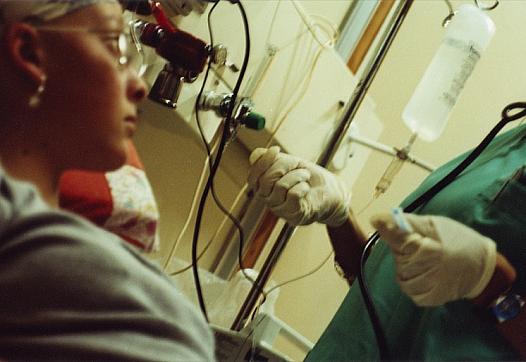
An ocean view and a smoothie bar do not have any bearing on the quality of health care being delivered by doctors, nurses, and hospital staff. Wouldn’t it be nice if there were a simple way to compare hospitals?
An ocean view and a smoothie bar do not have any bearing on the quality of health care being delivered by doctors, nurses, and hospital staff. Wouldn’t it be nice if there were a simple way to compare hospitals?

What’s the price of a human life? In this part of our series “At the Crossroads: The Rise of Hepatitis C and The Fight To Stop It,” we'll tell you what value health economists put on human life.

With Obamacare's second season of open enrollment underway, advocates remain focused on signing up the remaining uninsured. In California, the uninsured rate is projected to drop to 6 percent by 2019. But getting it much lower will require creative new strategies.

Is Obamacare really at risk now that Republicans have taken the Senate? The core of the law will likely survive, thanks to the presidential veto power. Still, sections of it could be pruned away by the legislature. Here are a few possibilities the media has highlighted.
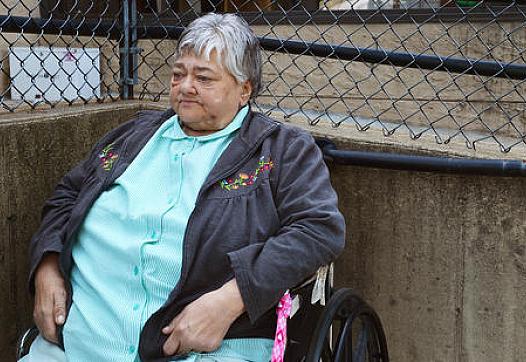
Health care super-users are often chronically ill, alone and with limited incomes. They typically need the medical skills of a trained health-care professional, but also the listening, counseling and support offered by social workers and clergy.

Proposition 46, the California ballot measure backed by plaintiffs’ attorneys and opposed by physicians, was soundly defeated by a 2-to-1 margin. The fact that Proposition 46 was a bundle trying to be all things to all patient safety advocates was probably its downfall.
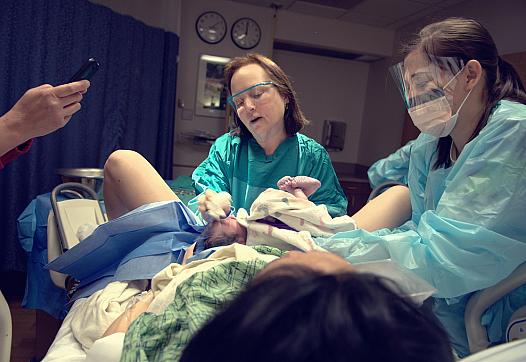
California mirrors the country's rising rate of C-section births — up by 50 percent in 10 years. That worries experts, who say the procedure carries added costs and risks. But data-driven efforts are underway in the state to turn the tide, with some notable early success.
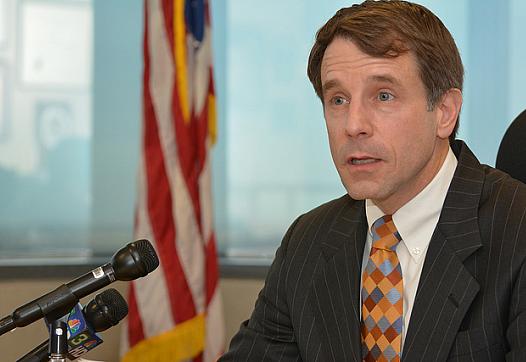
After a resounding defeat Tuesday, backers of Prop. 45 vow to press on with efforts to give California's insurance commissioner greater regulatory authority over insurance rates. Meanwhile, one prominent health policy expert said the failed measure was "a huge threat to health reform in the state."
Last fall, we had no idea how the Obamacare rollout was going to go. So Politico's Jennifer Haberkorn hit the road, and found very different experiences between states. She shares some of the lessons learned along the way, and how she found enrollees willing to tell their stories.
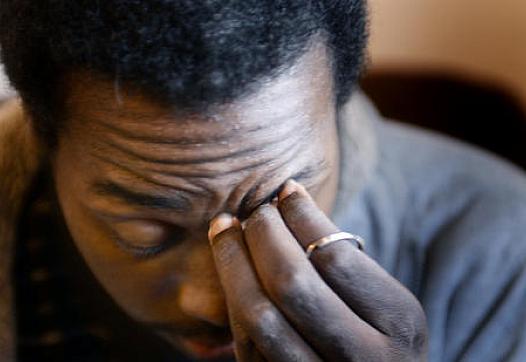
For many of the patients who are known as "super-utilizers" of the health care system, the issue of simply getting to treatment is critical and sometimes more problematic than getting the treatment itself. The picture is often complicated by the disabilities and haphazard lives of these patients.