

![[Photo by Michael Mandiberg via Flickr.]](/sites/default/files/styles/teaser_list_thumbnail_large/public/title_images/unnamed_125.jpg?itok=QGmUFYAw)
Youth homelessness is a growing problem in California cities. Numbers from Santa Clara and Alameda counties show that homeless youth have roughly doubled from just two years ago.
Youth homelessness is a growing problem in California cities. Numbers from Santa Clara and Alameda counties show that homeless youth have roughly doubled from just two years ago.
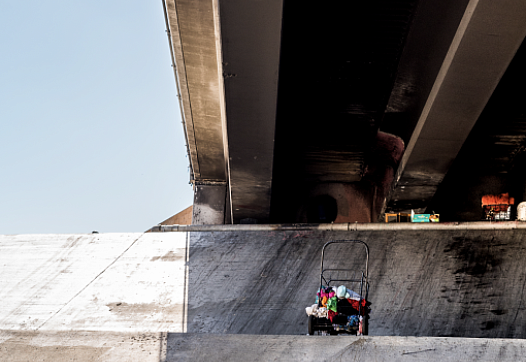
Homelessness is a health crisis, and the clock is ticking. With homeless life expectancy between 42 and 52, and half of the nation's homeless at least 50, it's not surprising that Orange and several other California counties have seen a dramatic rise in homeless deaths in recent years.
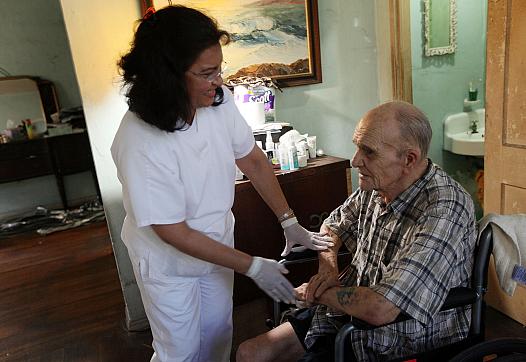
New models in Britain and the U.S. take a larger view of the forces that shape people’s health. That’s because sometimes a patient needs an air conditioner more than a hospital bed.

“Perhaps the biggest deficit in our clients’ lives is a lack of two things – it’s a lack of community and it’s a lack of self-esteem,” says Rob Gitin, who works with vulnerable youth in San Francisco.

Anthony Marcus had heard the same story about underage sex workers that most of us know — that they are brutalized by violent pimps and sold into sex slavery. But is that story correct?
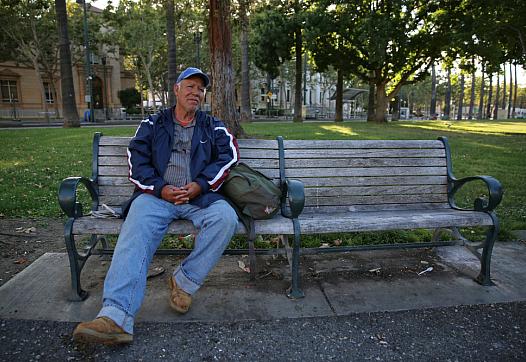
This story was produced by Joseph Geha as part of his participation in the California Health Journalism Fellowship, a program of the Center for Health Journalism at USC’s Annenberg School of Journalism.
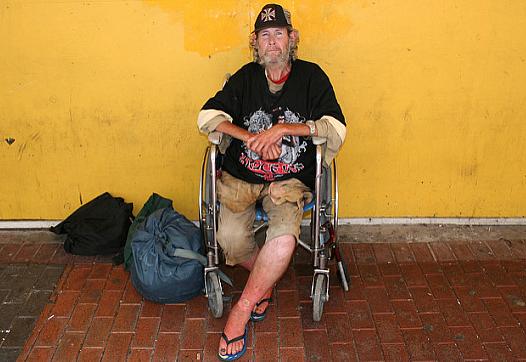
“One important thing is to find your advocate,” veteran reporter John Gonzales told fellow journalists this week. “You got to find someone who is going to be there for you when you’re having trouble with access.”
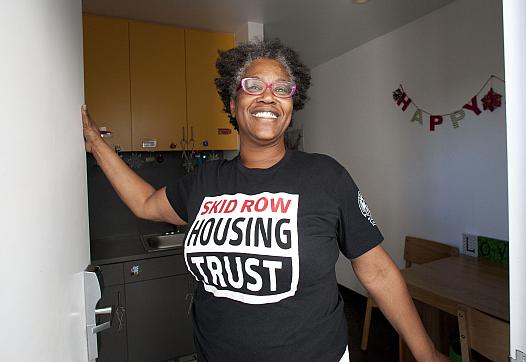
Star Apartments in L.A.'s Skid Row is a dazzling vision of what homeless housing can look like. But it's not the model the city is banking on to meet its huge need for supportive housing for the region's 45,000 people without homes.
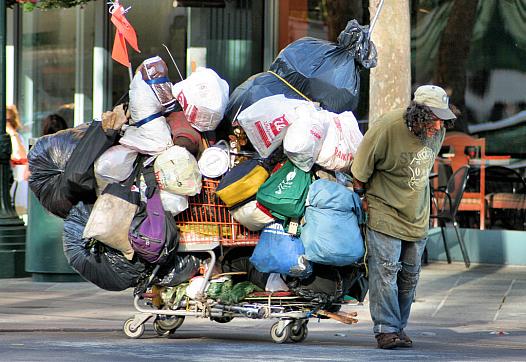
Silicon Valley is home to some of the world’s richest, most advanced companies. But underneath highways and along riverbeds, a scattered network of shantytowns endures. Santa Clara Co. has one of the most acute homelessness problems in the nation.
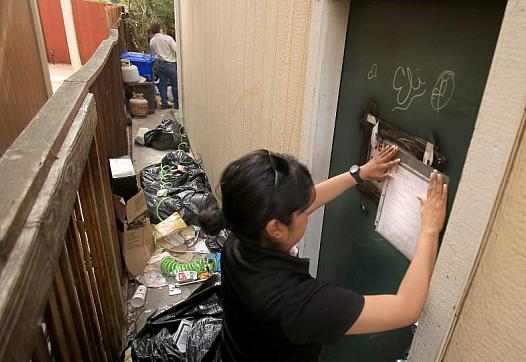
The government framework set up to protect Sonoma County renters from unsafe and unhealthy living conditions has developed such extensive cracks that it has left many tenants without public recourse save for the court system, where help often comes too late to make fixes or fight evictions.