


In California's Sonoma County, some families face living conditions that include high levels of dangerous mold and other asthma triggers. When landlords don't act, problems can fester for years, leading to a host of health problems.
In California's Sonoma County, some families face living conditions that include high levels of dangerous mold and other asthma triggers. When landlords don't act, problems can fester for years, leading to a host of health problems.

In California's Sonoma County, an alarming number of tenants live in housing so run down that it poses a risk to their health and safety. For Karla Orozco's family, the hazards included mold, rats and cockroaches, a broken heater, and sewage backups.

The effect of squalid housing on people’s health is difficult to determine in California's Sonoma County, since there is no study, stockpile of data or government agency that tracks illness in connection with living environments.

In reporting her series on mental illness in Shasta County, Alayna Shulman didn't find the data she was hoping for. Instead, she highlighted that lack of data in her story. It was one of several lessons she took away from working on the project.

At his lowest point in prison, Simeon U‘u, a broad-shouldered man with tattoos down one arm and a thick silver chain around his neck, doubted he would get his children back. “I felt like I was a bad parent, that I abandoned them.”
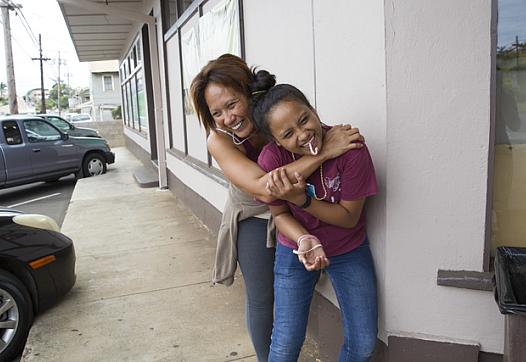
For years, the percentage of Native Hawaiians in the state’s foster care system has significantly exceeded their share of the overall population of the state’s children. The Honolulu Star-Advertiser delves into the underlying causes and potential solutions to the problem.

Sexually exploited minors are often arrested on prostitution charges and put behind bars. But in one LAPD unit, officers are trained to recognize exploited teens and put them in touch with social services, instead of juvenile court.
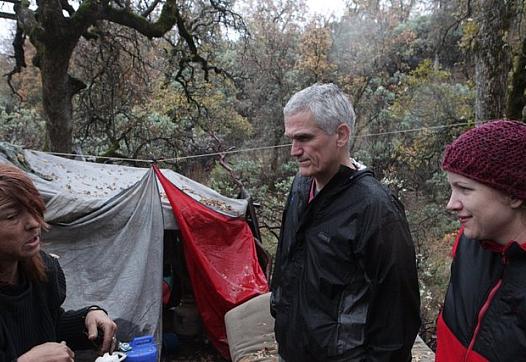
“Every day is stressful out here," says 49-year-old Kim Stanley, who is homeless and suffers from mental illness. "You’re tired; you’re exhausted ... and when people treat you badly for no reason, you’re crushed; you’re overwhelmed and crushed.”

An unusual parenting intervention aims to strengthen the bonds between homeless parents and their children. The program hopes its participants’ parenting will become less harsh, and that there will be fewer reports of abuse and neglect after they move out.
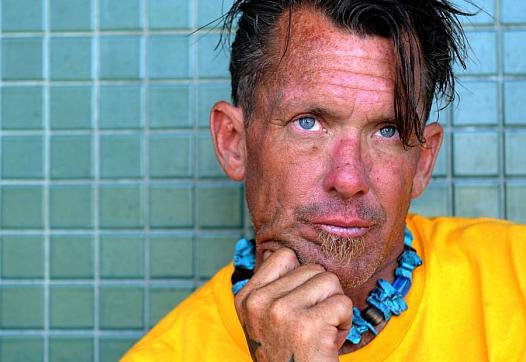
As a journalist, both homelessness and mental illness are uniquely challenging topics to report on. When combined, the reporting challenges double, but so do the potential insights. Claudia Boyd-Barrett shares lessons from her experience reporting on the issue in California's Ventura County.