


CapRadio healthcare reporter Sammy Caiola discusses her reporting on the intersection of race, police violence and sexual assault.
CapRadio healthcare reporter Sammy Caiola discusses her reporting on the intersection of race, police violence and sexual assault.
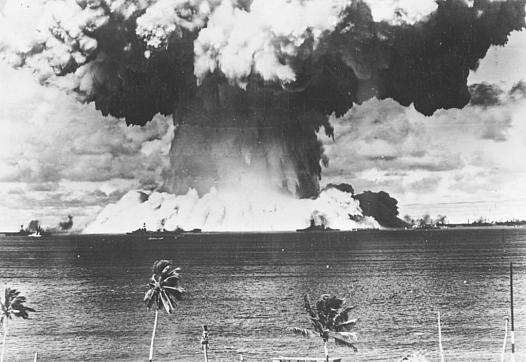
It's hard to tell the story of how the Marshallese came to America without starting with the nuclear bombs.
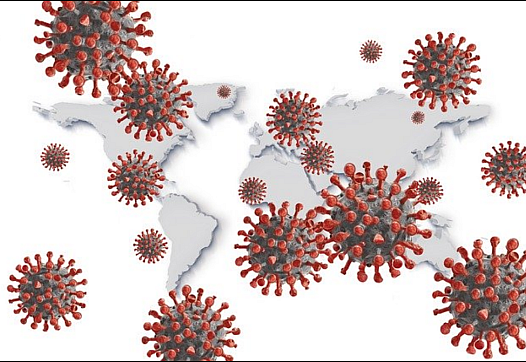
Each Monday, The Coronavirus Files provides tips and resources and highlight exemplary work to help you with your reporting.
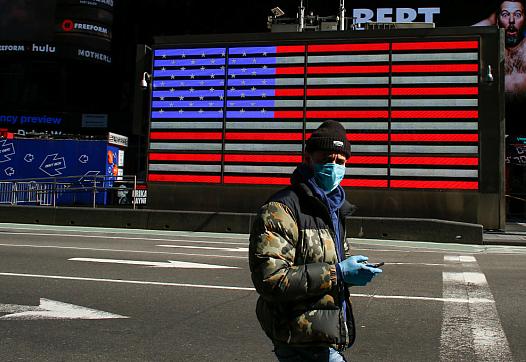
This week, we’re proud to welcome 23 journalists from around the nation to our annual 2020 National Fellowship.
An audio-first docuseries exploring what it means to be a Black person having a baby in the United States today.
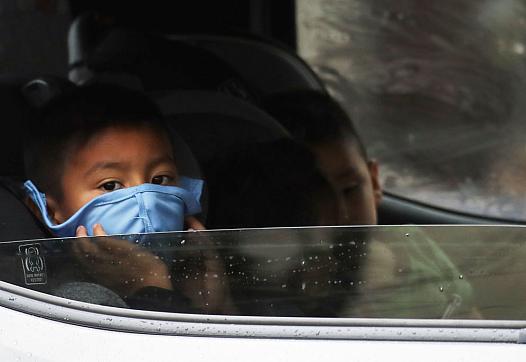
Underserved youth and the adults who care for them are wrestling with systemic inequities compounded by the coronavirus.
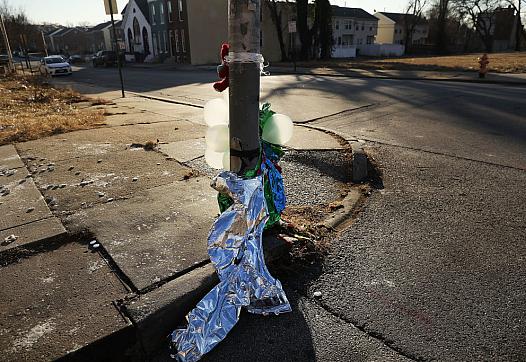
“We are fooling ourselves by tearing down monuments, for example, if we don’t unpack and counter these powerful mechanisms of racism and structural racism that exist in the United States,” says David Williams.
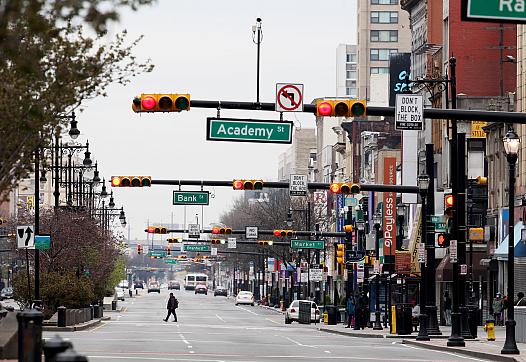
Newark's COVID-19 death toll among Blacks seems to have been less severe compared to other urban hubs in the nation. Why?
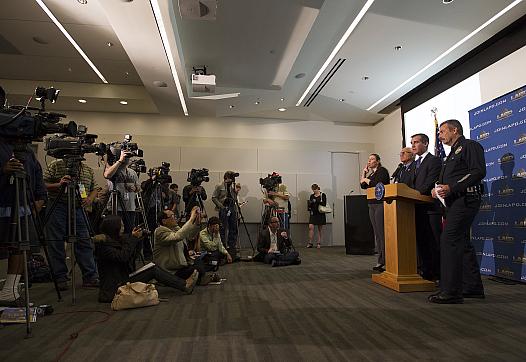
When journalists tell the stories police feed them, without question, they amplify bias, stereotypes and fear.
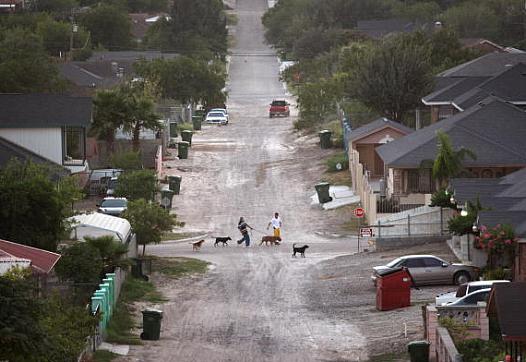
During the pandemic, the “colonias” along the border in south Texas have been devastated on multiple fronts.