


Even before the pandemic, ICE consistently failed to provide adequate medical care to detainees on its flights — with dire outcomes.
Even before the pandemic, ICE consistently failed to provide adequate medical care to detainees on its flights — with dire outcomes.

This is the third story in a three-part TimesOC series “Improving Healthcare Access for Cambodians and Vietnamese,” supported by the USC Annenberg Center for Health Journalism 2020 California Fellowship.

How the massive CZU Lightning Complex fire could have lasting impacts on housing and homelessness.
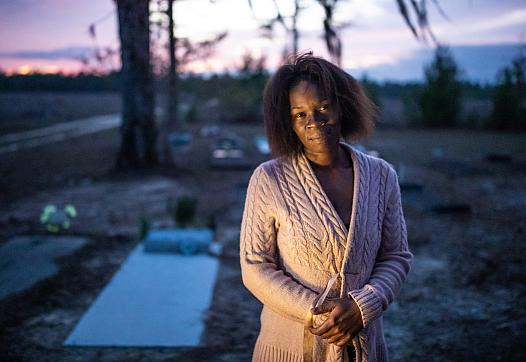
"Our kids aren’t growing up, you know. They’re dying. They’re dying too fast," says Koquisha Cook, who lost her daughter in an August shooting.

How ICE moves detainees under the cover of darkness.
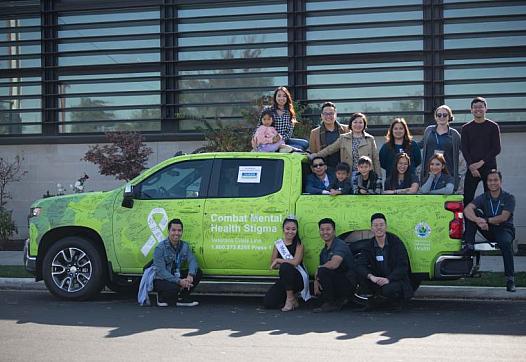
The need for mental health services in the Vietnamese community is high, but there’s a strong stigma attached to mental health in the community, and members aren’t always able to access the type of services they need.

This story was produced as a joint project led by Nathan O'Neal and Colton Shone, participants in the 2020 National Fellowship, that cover the variety of circumstances that contribute to health disparities in the Navajo Natio...
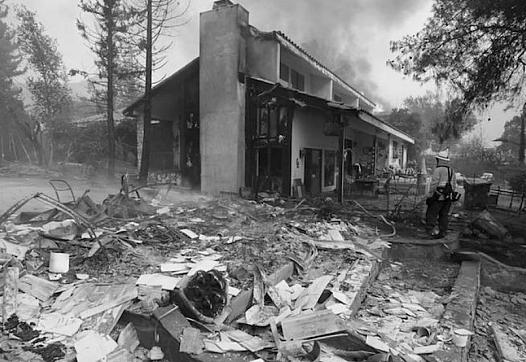
A bill that would increase workplace protections for domestic workers is now before California's governor.

Are our identities and backgrounds liabilities or strengths in journalism? A reporter shares her takeaways from interviewing immigration advocates.
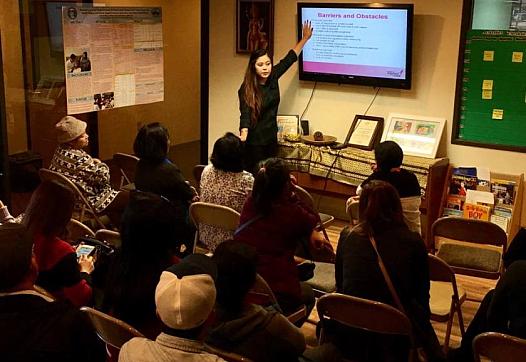
In the U.S., Cambodians and Vietnamese continue to struggle with access to culturally sensitive health care.