

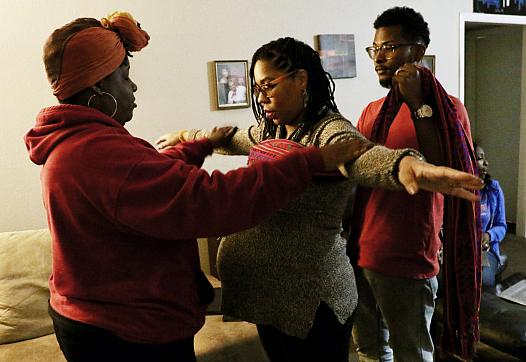
While progress to address poor birth outcomes among Black Oklahomans has been slow, women are taking action themselves.
While progress to address poor birth outcomes among Black Oklahomans has been slow, women are taking action themselves.

The #Keeping series shows how the challenges of raising children with severe emotional and developmental disabilities can lead to abandonment.
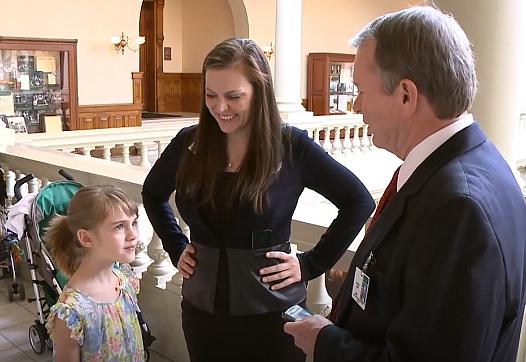
It took a seven-year fight to get Ava’s Law, which mandates insurance coverage for children with autism. Now Ava hopes her story can inspire a new battle.

The neighborhood has been a pollution dumping ground for decades.
In the third part of this multi-part series, we look at some of the ways in which the process of diversion can jump the rails.
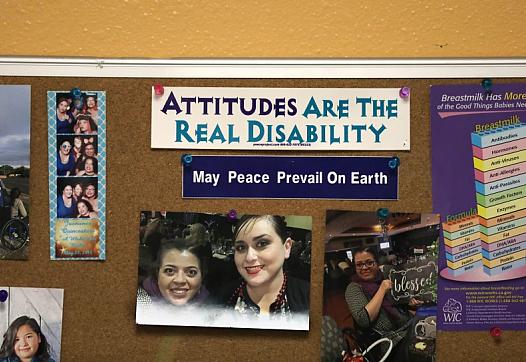
Disabled people get pregnant and give birth at the same rates as nondisabled ones. But their outcomes are often far worse, and modern medicine has largely turned its back on them.
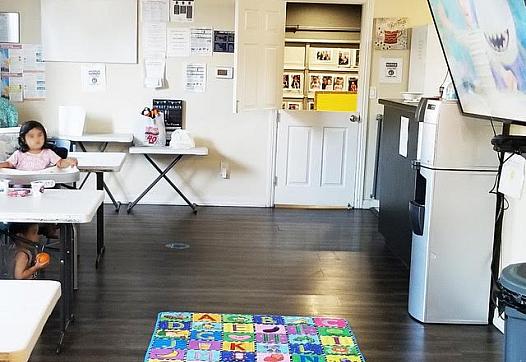
For pregnant individuals facing multiple years in prison, a program offers unexpected hope and an alternative pathway.
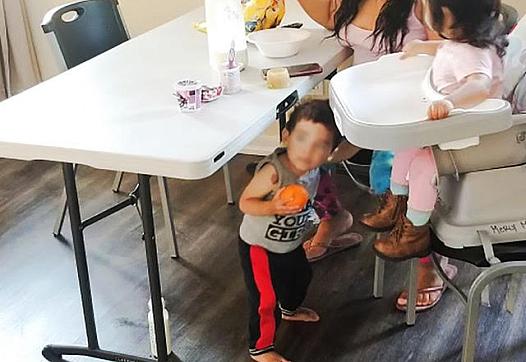
In the second part of this multi-part series, we explore, step-by-step, the process for diverting pregnant people out of LA County’s women’s jail, moving them into housing and toward independence.
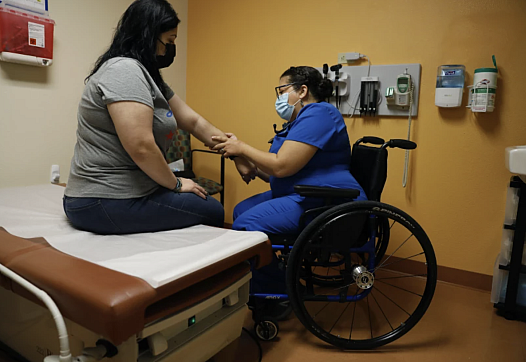
Though disabled women now get pregnant and give birth at the same rate as nondisabled ones, modern medicine has largely turned its back on them.
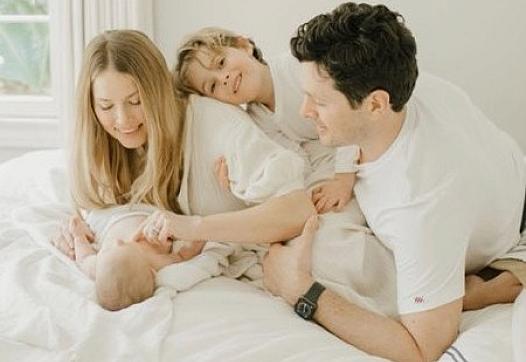
UCLA study answers some of the questions expectant mothers have had since early in the pandemic, when so much was unknown.