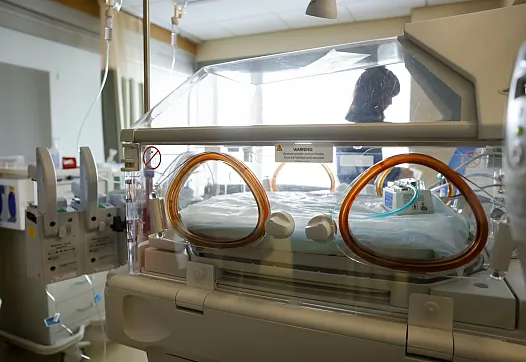
Researchers and health experts point to the cumulative effects of systemic racism, chronic stress and generational trauma that shape maternal health long before pregnancy begins.
Researchers and health experts point to the cumulative effects of systemic racism, chronic stress and generational trauma that shape maternal health long before pregnancy begins.

The Clancy case provides an opportunity for journalists to step away from reveling in the shocking details and jury dynamic to explore a long overlooked topic — postpartum mood disorders, how poorly our health care system attends to them, and how consistently our criminal justice system fails to acknowledge them.
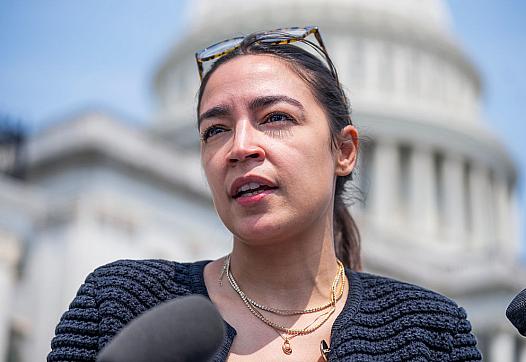
Fertility treatments remain out of reach for millions of Americans, particularly Black and Hispanic women.
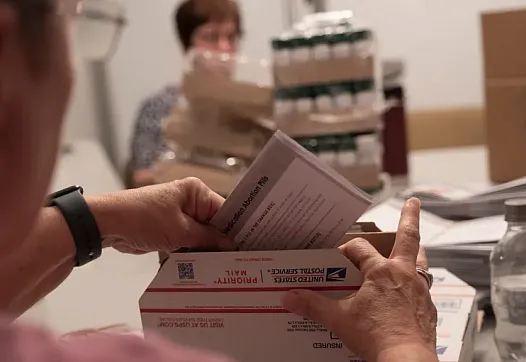
Abortion rates were expected to tank after Roe v. Wade was overturned. Instead, medication abortion became easy to get — and it changed everything.
Black babies in Wisconsin continue to die at far higher rates than babies of other races, and behind the statistics are families, caregivers and communities with stories that may shed light and lead to solutions.
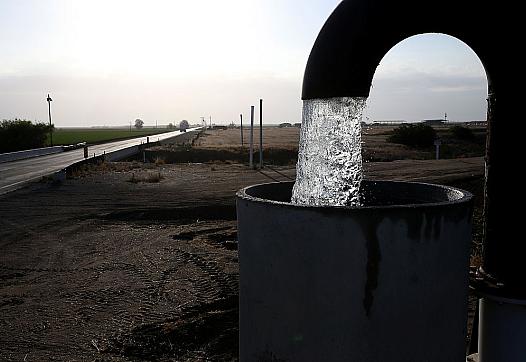
A reporter looked at data from two Central Valley counties and found people who had domestic wells were more likely than not to have nitrate levels in their wells above the safe drinking limit.
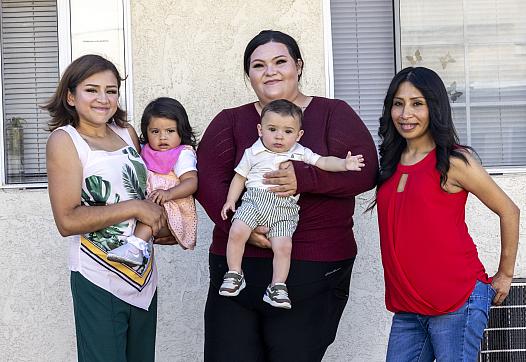
Three mothers shared their stories of being released from jail to live in homes run by LA County. The program is part of a broader effort to divert moms and other vulnerable groups from the jail system.
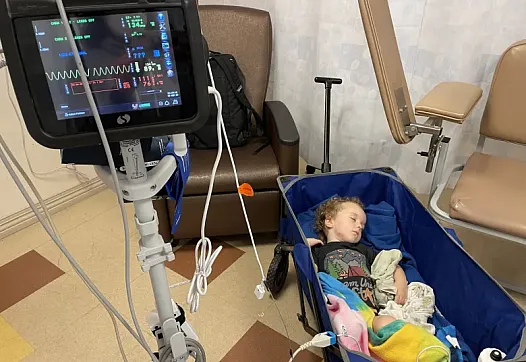
How the Inland Empire’s doctor shortage is forcing desert residents to travel farther, wait longer, and go without timely specialist and maternity care.
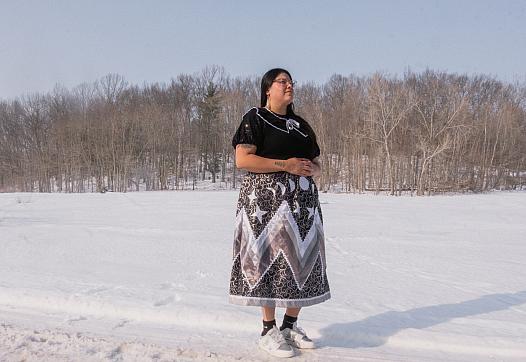
The emerging birth justice movement is addressing deep-rooted inequalities and the lack of access to maternal health care among American Indian and Alaska Native women.