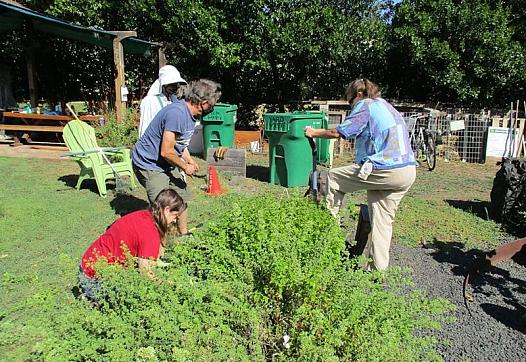
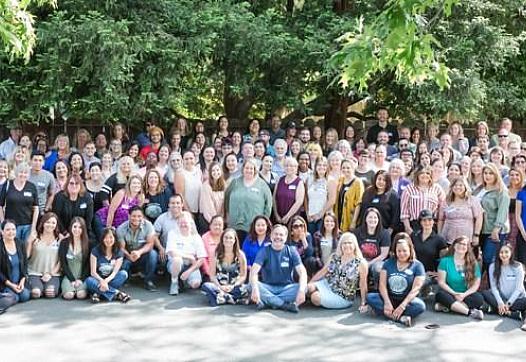
A woman is seeking shelter from her spouse. A man is disabled. Another has been clean from addiction for 16 years. A mom who lost her job is there with her two kids.
A woman is seeking shelter from her spouse. A man is disabled. Another has been clean from addiction for 16 years. A mom who lost her job is there with her two kids.
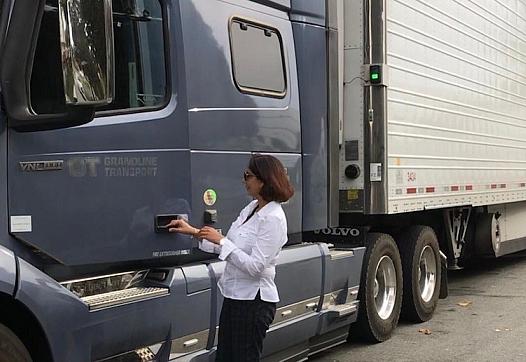
A look at the health challenges Punjabi drivers are facing in order to keep their driving licenses, and how they are navigating this during COVID-19.
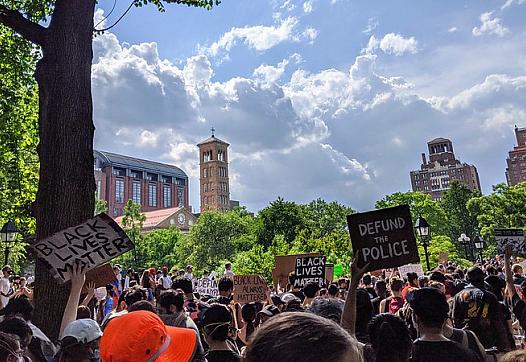
Public officials come under fire for budgets that prioritize law enforcement and shortchange community health and safety.
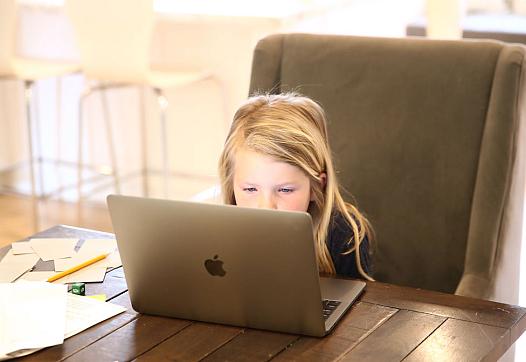
Disparities in youth fitness are a longstanding problem. The pandemic threatens to widen the gap.
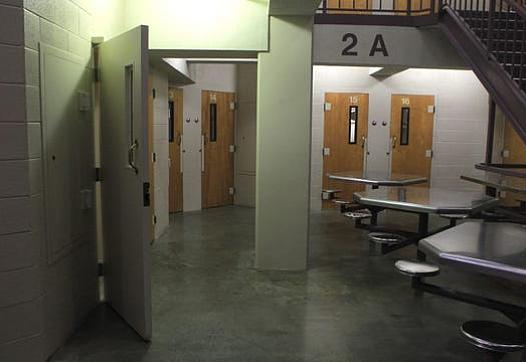
This story is produced as part of a larger project led by Matthew Brannon, a participant in the 2020 California Fellowship.
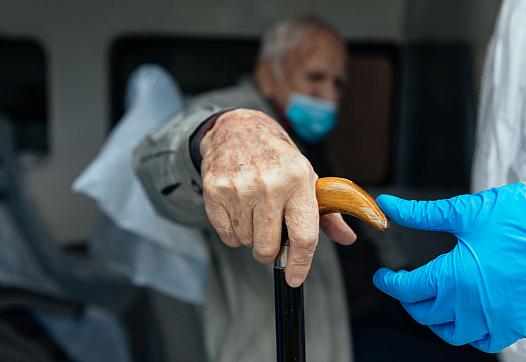
The virus has exposed what advocates for better treatment and families of loved ones in nursing facilities have known for years.

How do you cover the fake cures without giving them more oxygen than they deserve?
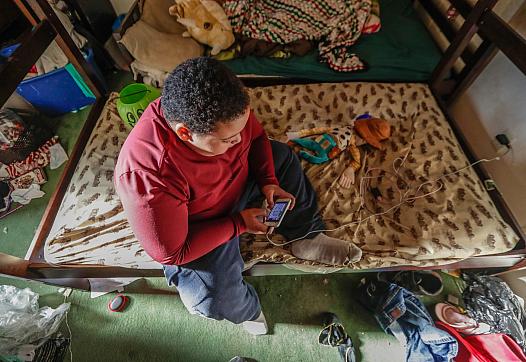
This zip code has more poor households than anywhere else in Florida. The coronavirus outbreak has only made it worse.