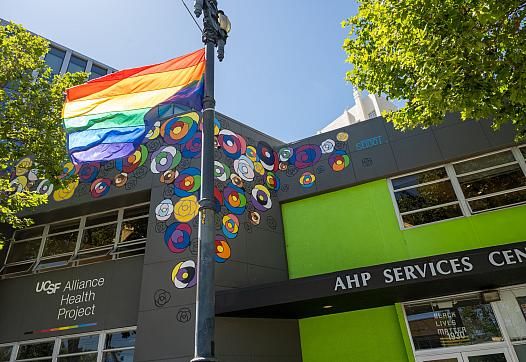
With Medicaid cuts looming in 2027, the state is doling out its federal lifeline slowly, raising questions about whether the money will land where it's needed in time.
With Medicaid cuts looming in 2027, the state is doling out its federal lifeline slowly, raising questions about whether the money will land where it's needed in time.
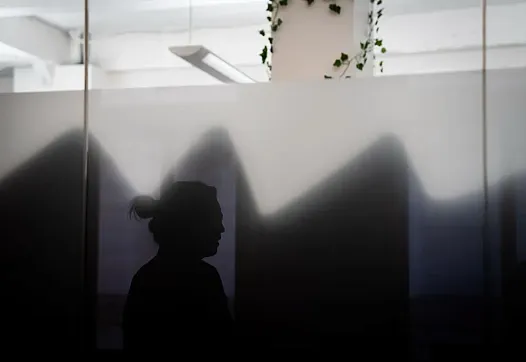
Trump’s war on ‘gender ideology’ and diversity is hurting San Francisco Asian Women’s Shelter’s ability to help victims — many of whom can’t get help anywhere else. It’s already cost them nearly $500,000.
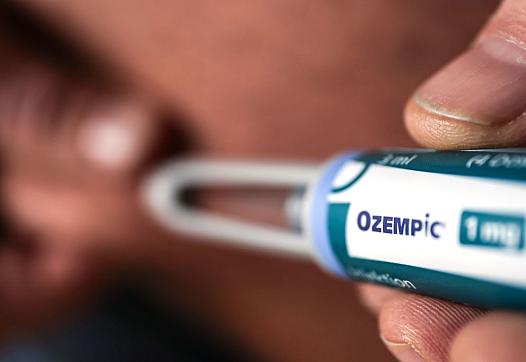
What happens when an expensive drug that works well for a condition affecting millions of people remains out of reach to many of those who would benefit?

Coachella Valley institutions expand local health-worker training programs to address doctor and nursing shortages, especially in pediatrics.
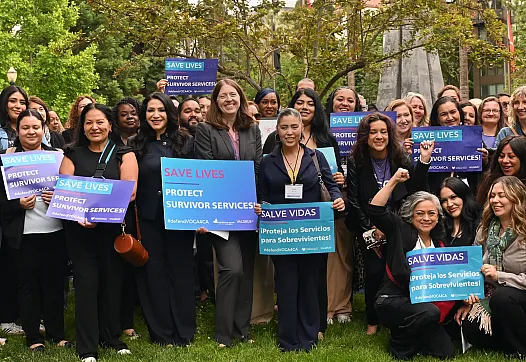
Advocates are asking for the state to again cover a gap of $100 million caused by a drop in federal funding.
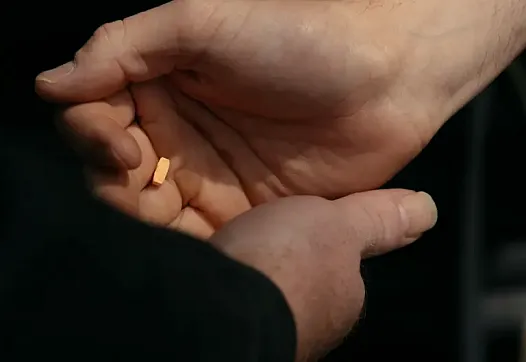
Harm reduction groups and health care workers helped avert the worst. But what about the next emergency?
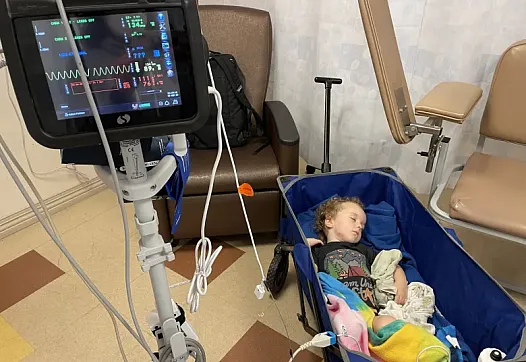
How the Inland Empire’s doctor shortage is forcing desert residents to travel farther, wait longer, and go without timely specialist and maternity care.
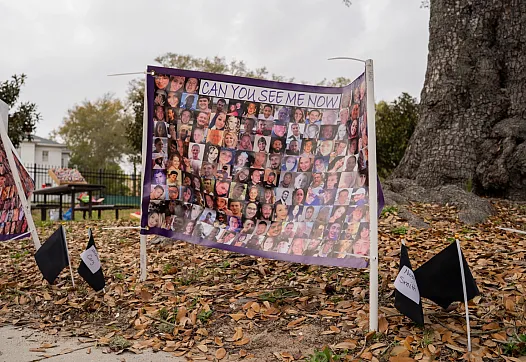
This is Part 3 of a three-part series examining the impacts of the opioid crisis on children and families in Mississippi and the state’s decisions on how to spend opioid settlement funds.
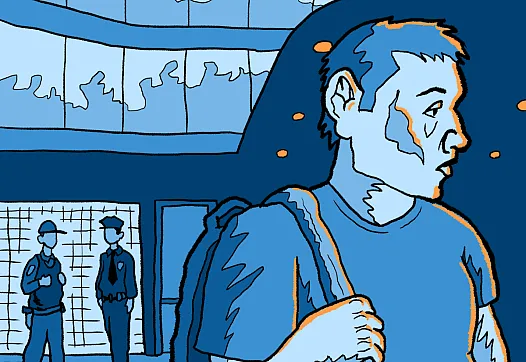
Half of people who could receive jail healthcare in custody are released within two days, the city's health department says.