
Korean Americans face a silent mental health crisis. From young adults to isolated elders, cultural stigma keeps suicide rates rising — and too many signals go unnoticed.
Korean Americans face a silent mental health crisis. From young adults to isolated elders, cultural stigma keeps suicide rates rising — and too many signals go unnoticed.
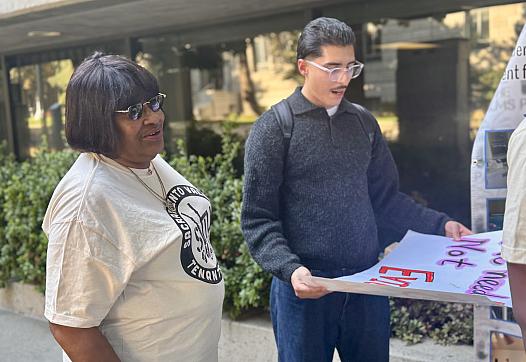
A senior couple faces eviction from an affordable housing complex amid Sacramento County's failure to address 'renovictions' that advocates say intensify the affordable housing crisis.
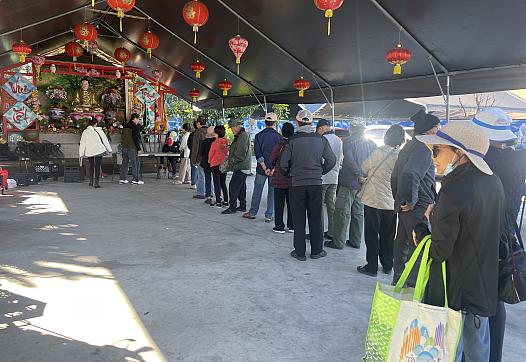
With rising prices and the stress of stretching a fixed income, seventy-seven-year-old Luong Nguyen and his wife struggle to stay afloat. Their story reflect a growing crisis among Vietnamese seniors in Orange County who rely on food distribution centers as a lifeline to access nutritious food as a daily and medical necessity.
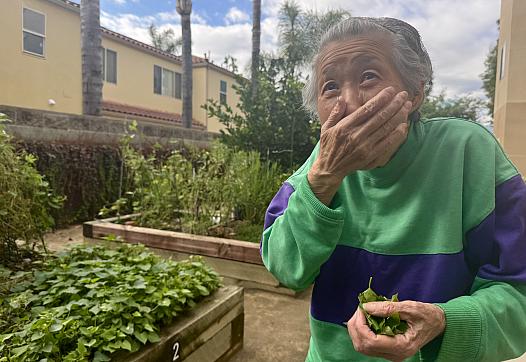
Ninety-nine year old Ronghui Ye lives in a senior housing complex subsidized by the U.S. Department of Housing and Urban Development (HUD) under the federal Section 8 program, which provides long-term rental assistance for low-income families. Residents who live in these units pay about 30% of their income in rent. Ye moved in 2000, after winning a lucky draw — a system now replaced by decades-long waiting lists.
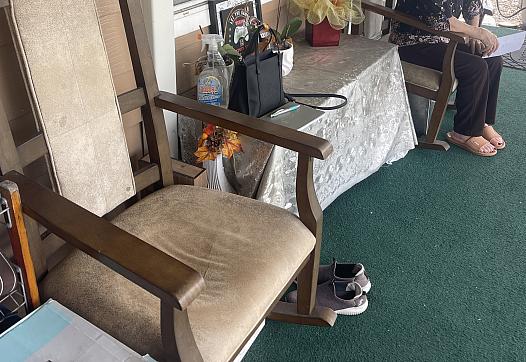
For Vietnamese seniors living in a mobile home park in Santa Ana, limited English proficiency make navigating leases, code enforcement, or eviction notices difficult to understand. They teeter on the edge of eviction for failure to comply with the numerous demands from the management.
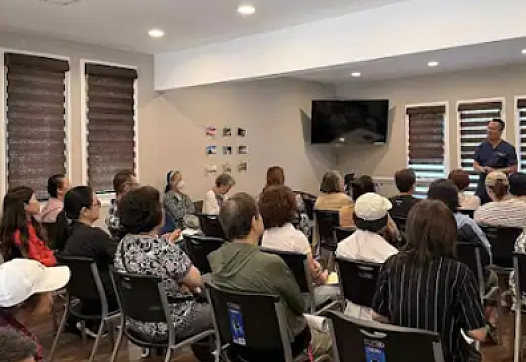
Asian American families face cultural taboos, language gaps, and limited resources in end-of-life care, but early planning and culturally sensitive support can ease the journey.

In California's Vietnamese American community, caregivers silently endure their own health crisis while tending to disabled or elderly family members, trapped between cultural expectations of filial duty and the crushing reality of round-the-clock care.