Image
Fran Smith
Writer, Editor, Consultant
Writer, Editor, Consultant
Contributing editor, Center for Health Journalism. Independent journalist, author, editor and communications consultant who helps people (including other writers) to tell their stories. My articles on health and medicine have appeared in hundreds of newspapers and dozens of magazines, including National Geographic, Psychology Today, O: The Oprah Magazine, Forbes, Prevention and Redbook. My most recent book, Changing the Way We Die, was an Amazon best seller and a winner of an Independent Book Publishers Award. Written with my friend and longtime colleague Sheila Himmel, the book examines the evolution of hospice from a movement for compassionate end-of-life care to a profitable and troubled industry. Before venturing out as a freelancer, I worked for years as a newspaper reporter and editor and was part of a Pultizer Prize-winning team at the San Jose Mercury News.
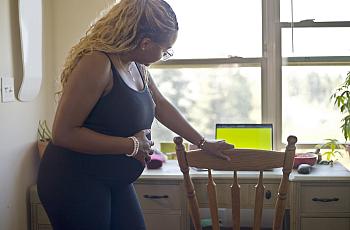
Preeclampsia doesn’t get nearly the attention it should, even though it’s a leading cause of preterm birth and maternal and fetal deaths. Black women are particularly at risk.
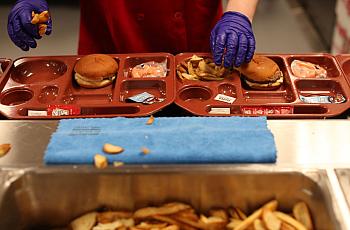
A new book exposes hunger and unsafe food in American prisons, and points to opportunities for reporters. “I think the best treatment on prison food actually comes from local reporting,” author Chin Jou said.
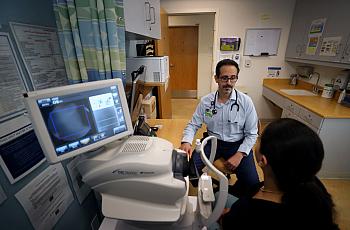
As the primary care landscape shifts, who gets left behind?

Fertility treatments remain out of reach for millions of Americans, particularly Black and Hispanic women.
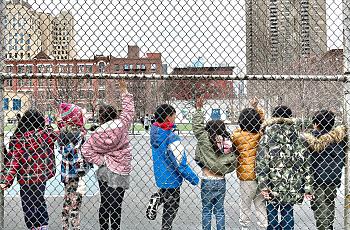
With PE cuts and shrinking recess in many schools, why are we now testing kids on skills we never really taught them?
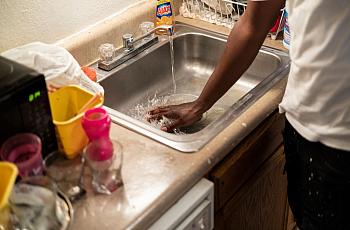
Water shutoffs are a hidden public health crisis. But here's how journalists can shine more light on this issue in their coverage area.
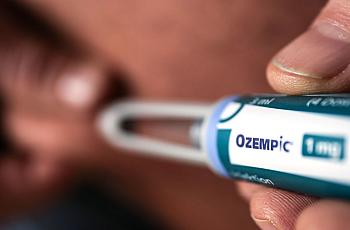
What happens when an expensive drug that works well for a condition affecting millions of people remains out of reach to many of those who would benefit?

Most of us live in a "food swamp" now, but only more affluent communities typically have healthy options.

“There’s a complete mismatch between where we see PrEP clinics, and where we see HIV,” said Natalie Crawford, a researcher at Emory who is leading an initiative to support and train pharmacies in HIV prevention, education and referrals.