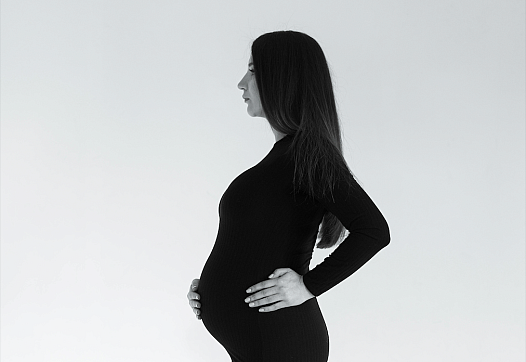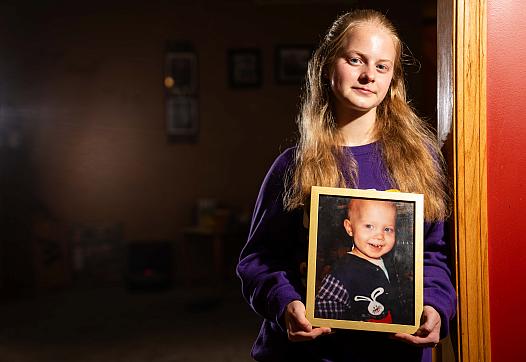
Ophelia is among the roughly 150 Iowa children and teenagers diagnosed with cancer in an average year, upending families while doctors still struggle to explain the causes.
Ophelia is among the roughly 150 Iowa children and teenagers diagnosed with cancer in an average year, upending families while doctors still struggle to explain the causes.
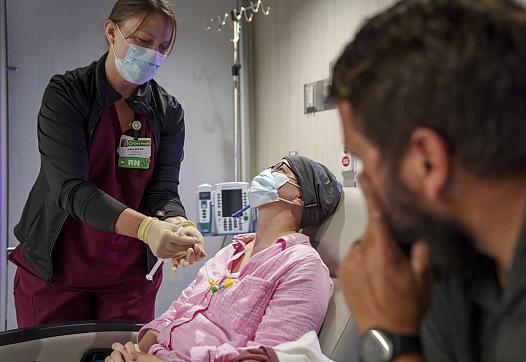
Across rural Iowa, a “sleeping giant” is stirring as families confront the grief and unanswered questions of a deepening cancer crisis.
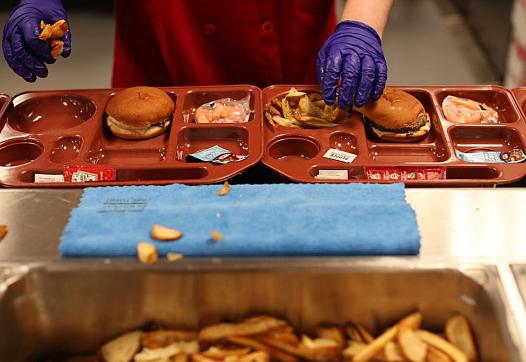
A new book exposes hunger and unsafe food in American prisons, and points to opportunities for reporters. “I think the best treatment on prison food actually comes from local reporting,” author Chin Jou said.
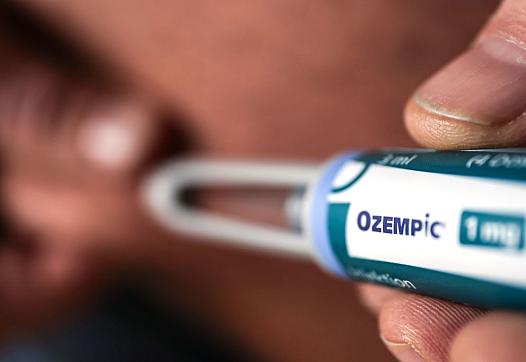
What happens when an expensive drug that works well for a condition affecting millions of people remains out of reach to many of those who would benefit?
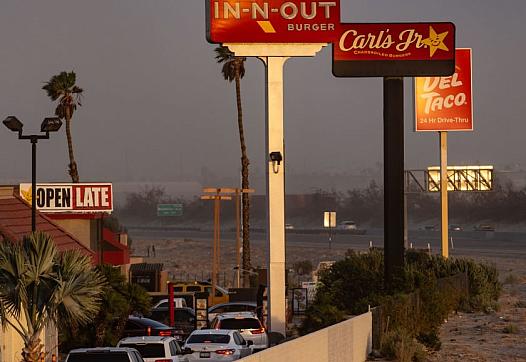
Most of us live in a "food swamp" now, but only more affluent communities typically have healthy options.
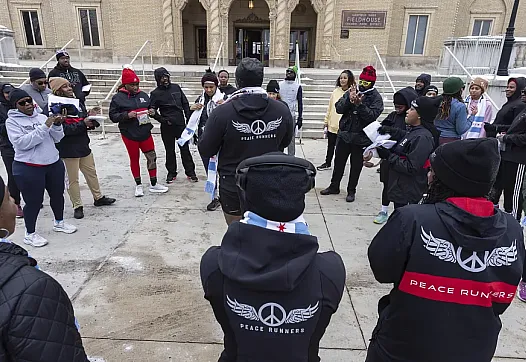
A reporter turns to data and community engagement to show what Chicago’s 20-year life expectancy gap along the Green Line means for people living in these communities.
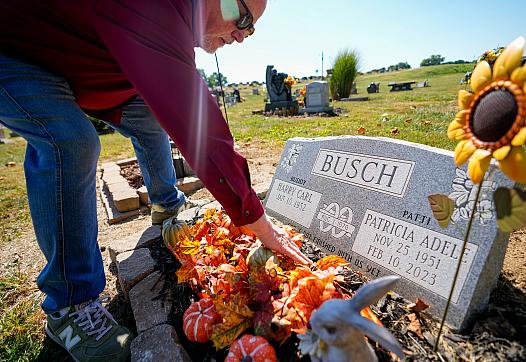
After testing nearly 70 homes, a Dispatch team exposed Ohio’s hidden radon threat, prompting state and local action.
Racism is a serious public health issue in the United States, and the use of racial slurs raises bigger questions about language and its effects on the health of Black and Hispanic people.
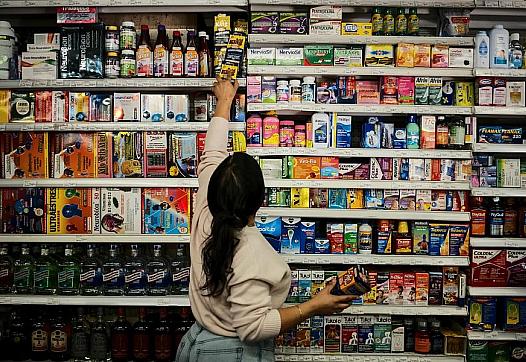
A reporter builds trust through close listening in SF's Latino immigrant community, uncovering deeper health stories on topics ranging from acupuncture to harmful supplements.