

How I reported on what's working in my local health care system — without sounding like a press release

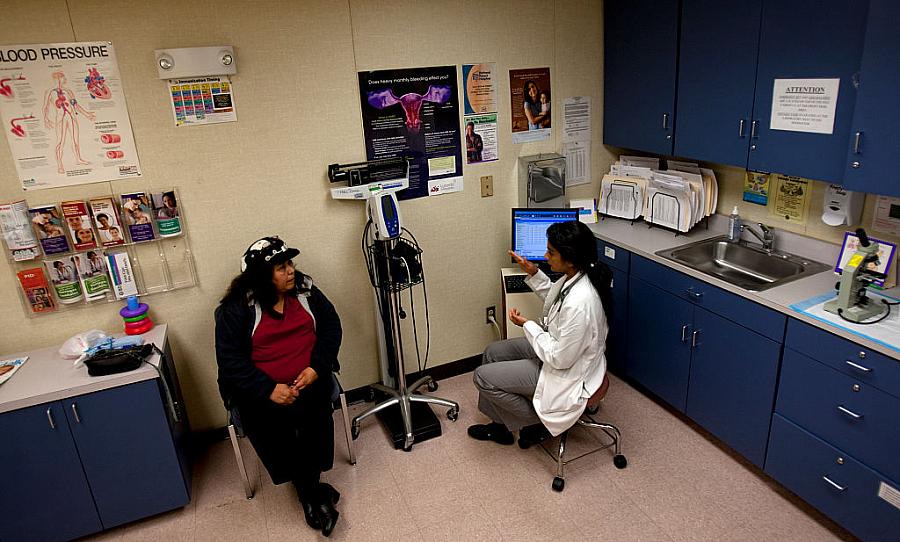
(Photo by Gina Ferazzi/Los Angeles Times via Getty Images)
I knew from the very first Facebook post that I’d hit a nerve. After introducing myself as a mom and freelance reporter for the Coachella Valley Independent who was writing about the difficulties rural California residents face in accessing health care, I had over three dozen direct messages and even more comments within 24 hours.
From long drives to a scarcity of specialists, the lack of health care services is a major quality-of-life issue in the rural desert regions of California, including where I live in the Morongo Basin as well as the Coachella Valley. I heard from parents who have to drive to the coast for regular visits for children with chronic conditions, and from women who’ve missed preventative health care due to lack of OB-GYN practices.
With my series of stories undertaken as a 2026 California Health Equity Fellow, I aimed to not only validate these lived experiences, but also give readers a sense of the changes potentially afoot. This kind of solutions journalism reporting requires a delicate form of real talk. No journalist wants to come off like they’re carrying water for the institutions they cover. But at the same time, organizations looking to solve systemic problems like health care access are trying to make real progress, and we can’t know what’s working or not unless we ask them. We also can’t hold them accountable for any extra programs or funding decisions unless we interrogate them about how they’re performing.
My biggest challenge with these projects became separating the real impacts from the press release version of progress.
Start by being authentic in your ‘why’
The biggest asset I had in making sure my reporting was clear-eyed was staying grounded in my “why.” I’d already started making connections between my reporting on local health care funding cuts and the conversations I was having with other families in my community. Why were we having to travel so far for doctors? Why were offices closing left and right?
Many reporters may be hesitant to connect their own experiences to their reporting in the name of staying objective. But my experience with these projects taught me that people may be more likely to share their story with someone who they share some common ground with.
That’s why I introduce myself now as a mom from the desert first, and a journalist second, when looking for new sources. Not only did it help me forge meaningful connections with my sources and gain their trust, but it also helped me remember why I started this reporting in the first place.
Getting beyond the talking points
Reporting on health equity issues in your own community requires more than pointing out the problems. In this day and age, plenty of Facebook commenters who aren’t trained journalists are more than capable of that.
Journalists can bring added value through our training and our platforms, and that’s by providing a 360-degree view grounded in real reporting. We can interrogate leaders and educate ourselves on nuances; we can track down data that may require more than a simple Google or ChatGPT inquiry to find and analyze.
One of my fellowship stories examined the bankruptcy of Palo Verde Hospital in Blythe, a clear-cut example of what can happen when there are not enough resources to provide adequate health care. Rather than see the hospital close, Riverside County opted to enter a temporary management agreement in early 2026 to help keep the doors open. I explored how the management agreement triggered successful changes to operations, but I also didn’t sugarcoat the challenges.
I quoted residents about the reputation of the rural hospital. I noted the many federal insurance funding cuts that the hospital, like all others in the country, will be facing as it tries to right its fiscal ship. But at the same time, I included details like the positive feedback the new doctors from Riverside University Health System were getting in the community.
I also published a story on how some residents in the Coachella Valley are forgoing health care due to fears around ICE enforcement and deportation. My story focused on the strategies being deployed in the community — like mobile clinics, discreet locations or increased telehealth services. While ICE takeovers like those in Minneapolis have faded from headlines, locals in the Coachella Valley were still spotting Border Patrol vehicles in places like Home Depot parking lots, or along Interstate 10.
Obtaining these details required a very point-blank approach in my reporting. From the start of my interviews, I let sources know I would be looking to hear about “the good, the bad and the ugly.” Institutions often put their best foot forward when talking to a reporter, which can lead to difficult questions not getting addressed in an interview.
Your reporting can create real conversations
The real win for me with this reporting was the chance not only to shine a light on the lived experiences of residents frustrated by our health care system, but to provide a jumping-off point for discussion and accountability about the improvements.
My story on the record-high number of nurses who graduated from College of the Desert this year explains how the class was only possible because of a new funding system. This is a “steal this idea” moment for other community colleges that want to boost nursing enrollment, while providing a record of what is possible and a baseline for the class of 2027.
Another one of my fellowship stories included fresh data on the lack of physicians in our area. This reporting has since been cited by other institutions in the area, and it also helps inform residents who are looking for answers about why it’s so hard to find a doctor here.
Ultimately, this is the real measure of impact in modern journalism: the ability to not only shine a light on untold stories, but become a part of ongoing discourse and a force for meaningful change.