Power and Prejudice: Chapter 1: Shawn didn’t kill anyone. He’s serving life plus 15 years for felony murder.
The story was originally published in MLK50 with support from our 2025 Data Fellowship.

On a Tuesday evening in 2001, Shawn Hatcher’s older brother, Chris, killed a man in front of him. Shawn watched, afraid his brother might kill him, too.
Shawn, Chris and their younger sister, Sabrina, grew up in the late ’80s in Dixie Homes, a public housing project home to some of Memphis’ poorest residents. The children played indoors to avoid stray bullets. On one occasion, Chris’ girlfriend was shot while walking to their house. When Shawn heard gunshots at night, he’d move away from the nearest window and sleep on the floor.
When Shawn was in elementary school, his mother married, and his stepfather moved the family to a house in Whitehaven. “In the projects, even the animals don’t want to live there,” Shawn said. But in Whitehaven, “there was wildlife everywhere.”
To his delight, he saw turtles and snakes, cardinals and bluejays, all for the first time. Whenever he had a spare moment, he carefully collected frogs from the woods around the house, depositing them in an aquarium. He still remembers the exact number of frogs in his collection: 32. He liked to watch them eat.
One day, Chris took his aquarium, dumped the frogs into a bathtub, and poured bleach over their small bodies. The frogs died.
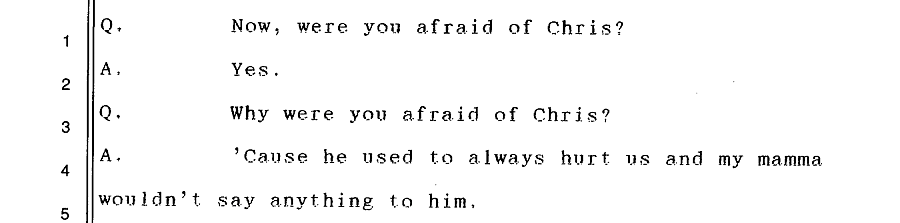
Excerpt from Sabrina Hatcher’s testimony at Shawn Hatcher’s January 2005 trial
Chris had always done “small evil things,” said Sabrina. But as he grew older, his violence escalated. Court records show that by the time Chris was 20, he had threatened and physically harmed every member of the Hatcher family. He beat Sabrina, who was then 14, badly enough that she went to a hospital. On one occasion, he sent a woman to their house, who swung a metal bar at their mother and hit her in the eye.
Chris was particularly fixated on Shawn. He’d often beat Shawn to the point of unconsciousness. He sometimes threatened to kill him. Chris, who was a member of the Vice Lords gang, was paranoid that Shawn would “snitch on him,” their mother told law enforcement.
“He said Shawn had turned on him, or something like that, and that he was going to get him,” she later testified.
In the summer of 2000, when Shawn was newly 17, Chris threw a glass ornament at Shawn and then launched himself at his brother, grabbing him by the head and biting down hard at the point just behind his left ear. At that moment, Shawn thought Chris might snap his neck.
Paramedics found Shawn lying in a pool of blood in his driveway. The bite left a permanent dent in his skull.

A detail from the EMS accident report describes the scene when first responders arrived: “17 y/o B/M lying supine in driveway, states he was assaulted by his brother. States his brother bit him + hit him in the head [with] a glass figurine”
Chris wasn’t arrested for the assault. Court records show that Shawn’s mother and sister frequently called the police after Chris’ attacks. But law enforcement never helped them, Shawn said.
It seemed like “demons controlled [Chris’] mind,” Shawn said. Every time Chris came near, all Shawn could think about was how his brother might hurt him next.
Shawn planned to leave Memphis to escape his brother. But shortly before his departure, Chris told Shawn and a friend of his, a teenager named Cornelius Jefferson, that he was going to commit a murder. A rival of his, a man Shawn knew only as “Red,” had threatened to kill him, Chris claimed. He planned to kill Red first.
Chris asked Shawn and Jefferson to accompany him to Red’s apartment, and then pointed a long rifle at them both, according to a statement Jefferson later gave to Memphis police.
Shawn doesn’t remember the gun, though he doesn’t doubt its existence. He only remembers what he felt. “I was filled with fear,” he said.
The thinking part of Shawn’s brain had turned off, he said, leaving only an instinct to survive. All at once, he felt every hit his brother had ever landed on him. He didn’t consider calling the police. They had never protected him from his brother before. When Chris began walking to Red’s apartment, Shawn followed him.
There are several accounts of what happened next from participants in the crime, victims and other witnesses. These accounts generally agree on the following facts: At some point that night, Chris, Jefferson, and Shawn were joined by a fourth person, a friend of Chris’ who was never identified by police. They were all armed.

Chris immediately opened fire, spraying bullets into the apartment. He killed Mackey and injured Red, who was standing behind him.

Shawn was still outside the apartment. He fired several bullets into the air and then ran away. “I had to make (Chris) feel like I was doing something,” he said.

It took a week for Memphis police to catch and arrest the group. They took Shawn and Jefferson to Shelby County’s juvenile detention center. It was there that Shawn learned prosecutors had charged Chris and him with the same crimes, including first-degree felony murder.
Shawn was shocked. “I was so naive to the situation,” he said, speaking with MLK50 from Northwest Correctional Complex, one of Tennessee’s 14 state prisons. “I was taken aback that I could suffer the same consequences as the person who actually committed the murder.”
In Tennessee, there are two ways to be charged with first-degree murder, which is the most serious offense in the state. You can commit a “premeditated murder” or a “felony murder.” To be convicted of premeditated murder, prosecutors must show that you killed someone intentionally and thought about it in advance.
Felony murder is different. Prosecutors can convict you of felony murder if you participate in a felony and someone dies in the process — regardless of the role you played in the crime. Unlike premeditated murder, you do not have to kill anyone to be charged with felony murder. You do not have to intend to kill, either.
Despite these differences, the punishment for premeditated murder and felony murder is identical: life in prison.
During Shawn’s trial, prosecutors explicitly told jurors that Shawn hadn’t killed anyone. That fact didn’t matter. It also didn’t matter that Shawn had been abused by Chris, that Chris had threatened to kill Shawn, and that Shawn had never committed a crime before. He was found guilty.
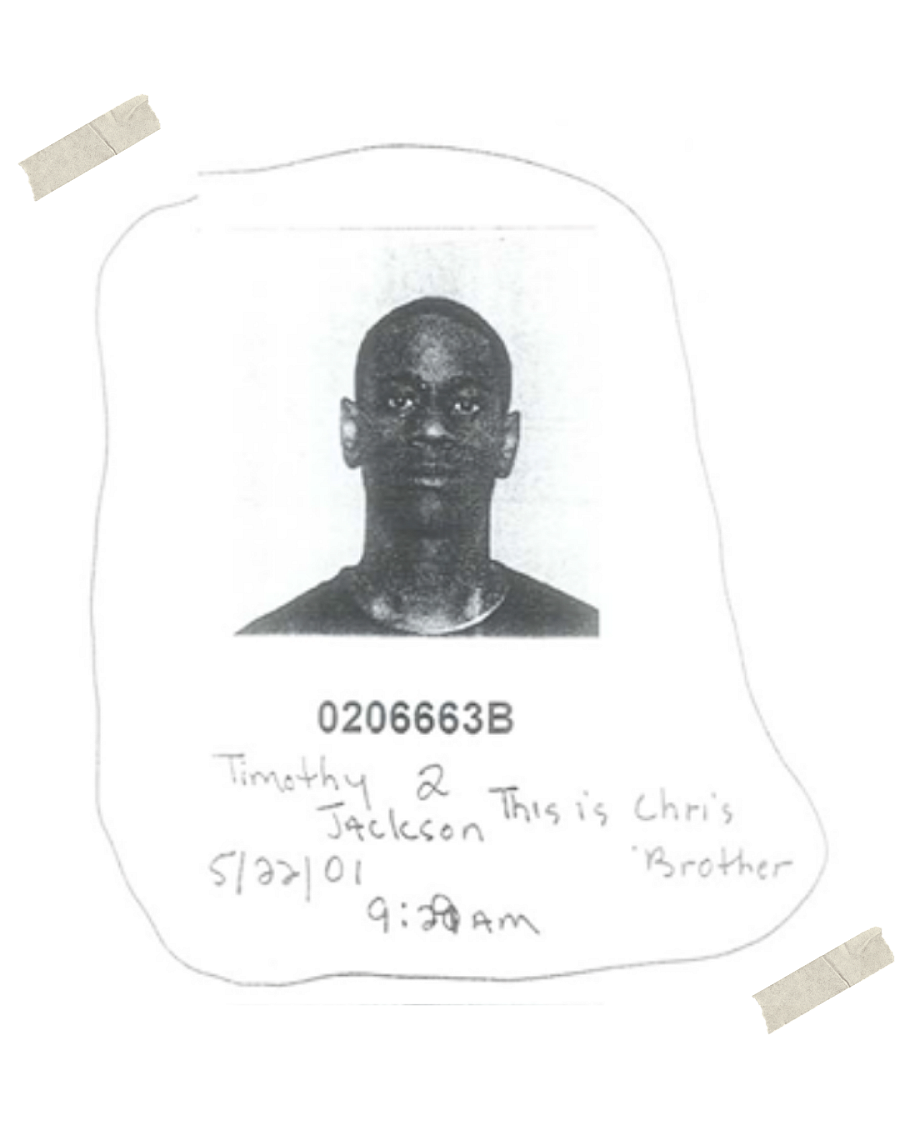
A copy of a lineup used in identifying Shawn Hatcher was included in the court documents.
Chris Hatcher was sentenced to life in prison without the possibility of parole. MLK50 was unable to speak with him during our reporting.
Shawn got life imprisonment for Marcel Mackey’s killing, plus 15 years for attempting to murder Red. He’d been condemned to die behind bars before he’d finished high school.
Which children are being convicted of felony murder
in Tennessee?
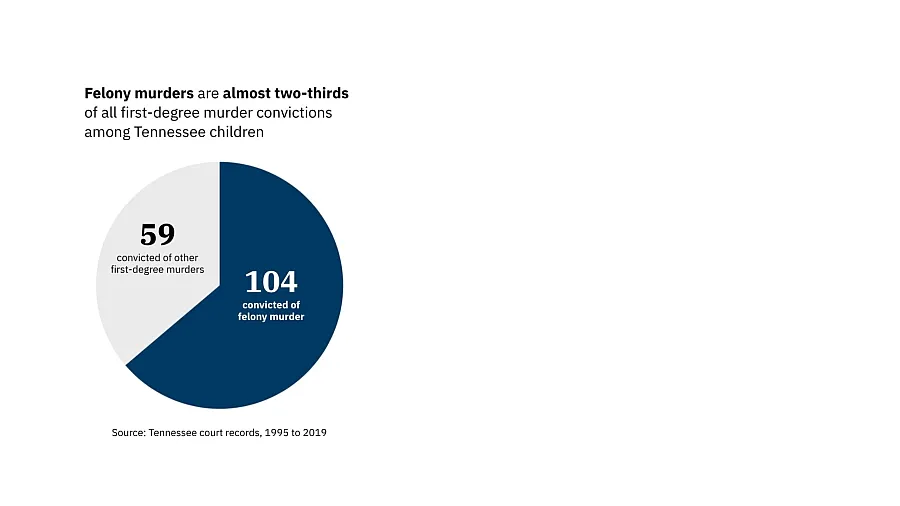
Tennessee does not track felony murder convictions. To do this analysis, MLK50 read through the case files and appeals of these children, now adults imprisoned in correctional facilities around Tennessee. When possible, we interviewed them or their families.
Between 1995 and 2019, 163 children were convicted of first-degree murder in Tennessee. Each received a life sentence. Of those, 104 — almost two in three — were convicted of felony murder, according to an MLK50 analysis.
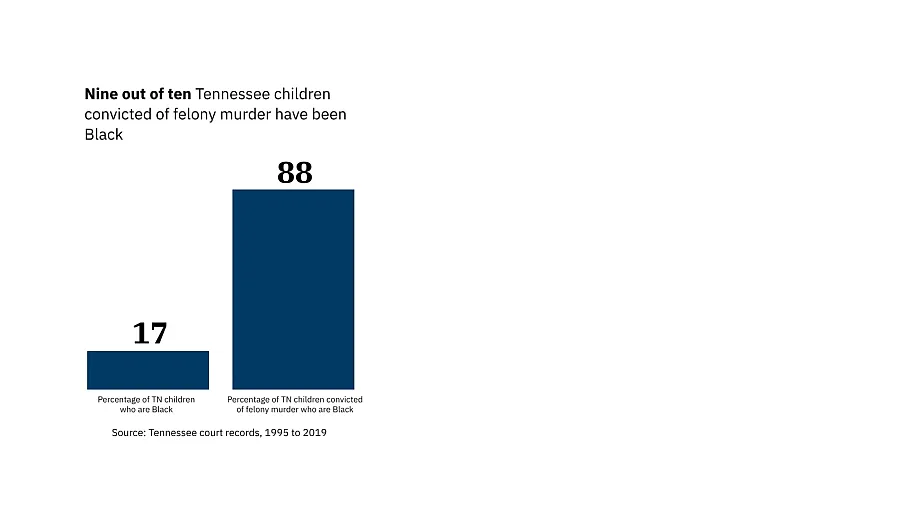
Seventeen percent of Tennessee children are Black. Almost 90% of Tennessee children convicted of felony murder have been Black.
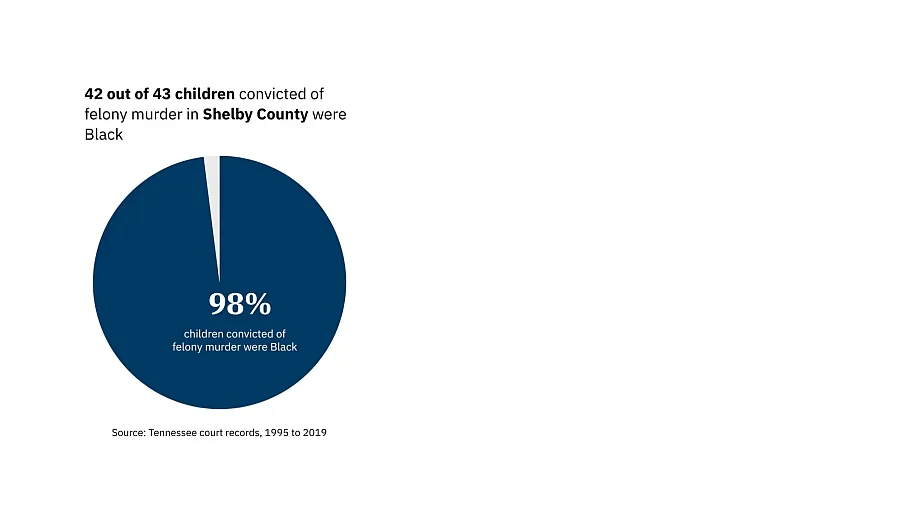
Shelby County prosecutors were responsible for the largest share of these felony murder convictions. Of the youth prosecuted here, 98% were Black.
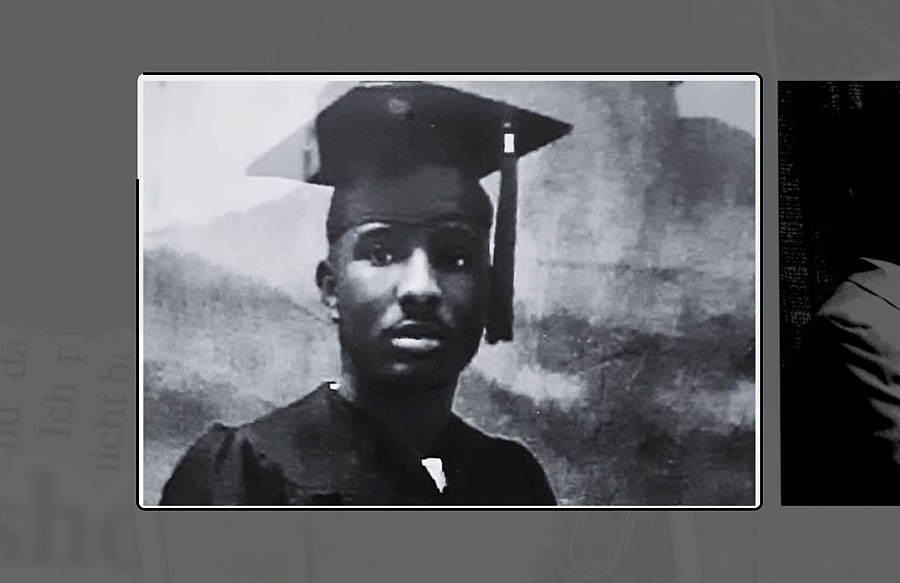
Some children were convicted of felony murder because of an accident. In 1999, 17-year-old Quinton Sanders attempted to steal some clothes from a Memphis mall. He needed $1,500 to pay off a local gang leader, who had threatened to cut off his head. Sanders never completed the theft. He was caught by an employee and fled in a sedan.
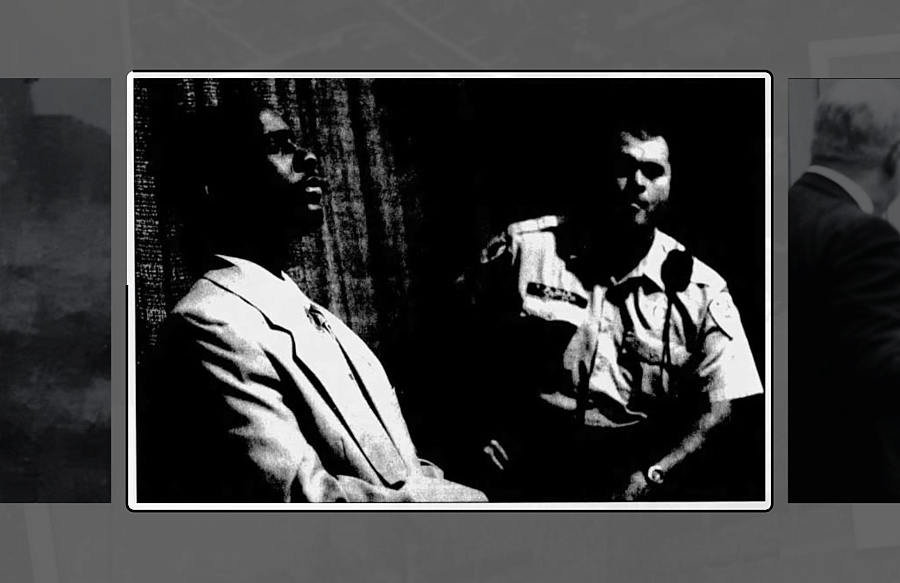
Several Memphis police officers saw Sanders fleeing and started a high-speed chase, even though their own policies prohibited high-speed chases in pursuit of nonviolent offenders. Officer Don Overton — who wasn’t participating in the chase — tried to intercept Sanders. Sanders, the pursuing officers, and Overton approached the same intersection at different angles. Sanders was going too fast to stop. He crashed into Overton’s cruiser, killing him.
Sanders was charged with felony murder and sentenced to life in prison.
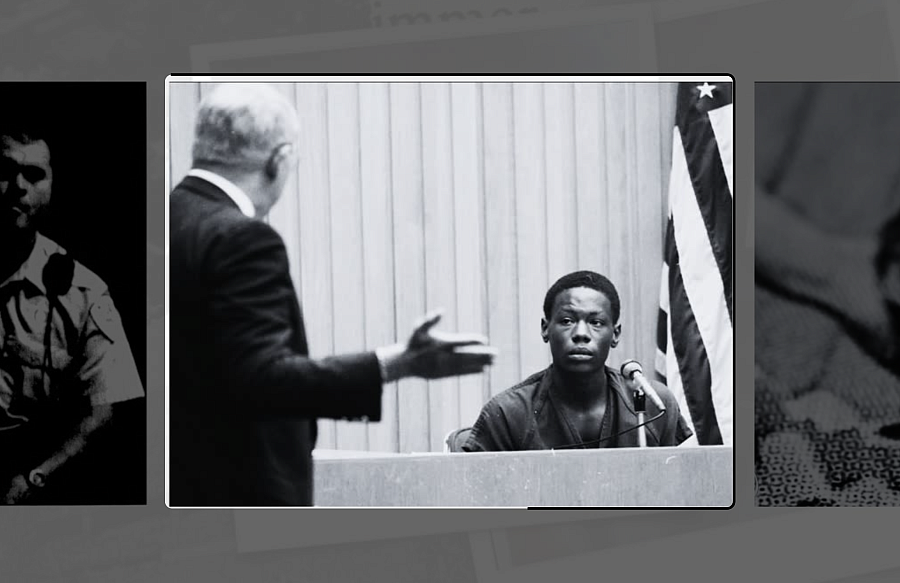
Children have also been convicted of murders others committed. In 1996, Almeer Nance, 16, agreed to help Robert Manning, 20, rob a Radio Shack in Knoxville. Nance later told police that Manning had shot several people — he was afraid Manning might shoot him, too.
Manning shot and killed the store’s cashier during the robbery. Afterward, he confessed to the killing and admitted he had forced Nance to commit the robbery with him. Despite his confession, both Manning, who is white, and Nance, who is Black, were convicted of felony murder and sentenced to life in prison.
Sometimes, prosecutors charged Black children with felony murder even when they didn’t have clear evidence the child had participated in a felony. In 1999, 17-year-old Monqueze Summers was charged with felony murder after a man was shot and killed during a robbery outside a nightclub in Nashville.
Summers said he was attending teen night at the club and denied he had robbed or killed anyone. Throughout the investigation, law enforcement could not clearly identify who had participated in the robbery, nor who had killed the victim.
Later, an appeals court judge wrote of Summers’s case: “The evidence at trial was highly controverted, and various witnesses for the prosecution and the defense testified in sharp conflict to one another.”
Nevertheless, Summers admitted he was in the vicinity of the robbery, was armed with a gun, and knew one of the suspected shooters. Therefore, he could be convicted of felony murder, the judge ruled.
In Tennessee, both adults and children can be charged with felony murder. But teenagers and young adults are more likely to receive these charges than other age groups, said Dawn Deaner, a former public defender for Nashville and Davidson County.
“Kids don’t have developed brains yet,” Deaner said. “They aren’t thinking about the consequences that can flow from reckless behavior.”
When young people commit crimes, they usually don’t act alone, Deaner added. They participate at the direction of an adult, or commit crimes in groups. If something goes wrong, “they don’t know how to react,” she said. They might accidentally kill someone, or run away when someone dies.
The impact of the felony murder rule can be felt throughout the criminal justice system. While MLK50 identified over a hundred children who have been convicted of felony murder in Tennessee, there are likely far more youth who were initially charged with felony murder and accepted a plea bargain in exchange for a conviction on a less serious offense, said Deaner.
At 17, Eric Alexander was charged with felony murder after he and a friend tried to steal some beers from a convenience store in East Memphis. Alexander acted as a lookout. While attempting the robbery, the friend panicked and shot the store’s cashier, killing him. Alexander told MLK50 he didn’t know his friend’s gun was loaded.
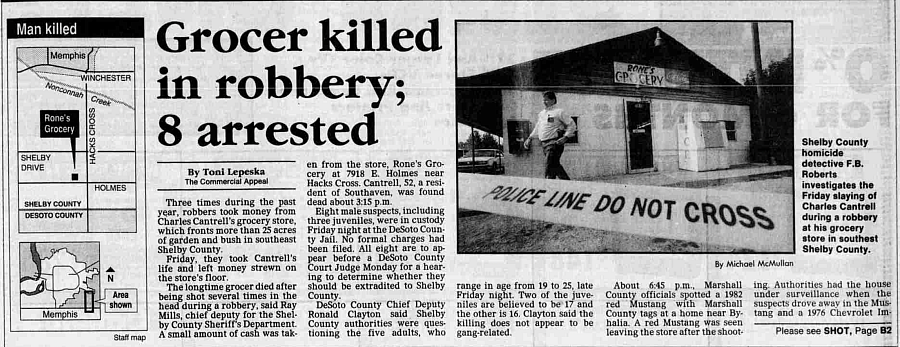
Aug. 13, 1994; The Commercial Appeal
Prosecutors charged Alexander with felony murder. He spent the next several years awaiting trial in Shelby County men’s jail, commonly known as “201 Poplar.”
While imprisoned, Alexander says he witnessed several rapes, violent assaults and suicide attempts. In one incident, a man knocked himself out by repeatedly slamming his head against the jail’s concrete floor.
Eventually, prosecutors offered Alexander a deal. If he pleaded guilty to aggravated robbery and facilitating first-degree murder, they’d drop the felony murder charge. Alexander agreed.

Eric Alexander sits for a portrait in Nashville in 2025.
Photo by Kevin Wurm / MLK50 / CatchLight Local / Report For America
Prosecutors often want to avoid expending resources on a trial, said Preston Shipp, a former prosecutor in the State Attorney General’s Office. They might charge a child with felony murder so they will accept a plea deal.
“If I really want to get Eric [Alexander] for aggravated robbery, I don’t just charge him with aggravated robbery,” Shipp said. “I want to charge him with something more than that to get him to plead guilty to aggravated robbery.”