Reporting

Our fellows and grantees produce ambitious, deeply reported stories in partnership with the Center for Health Journalism on a host of timely health, social welfare and equity topics. In addition, the center publishes original reporting and commentary from a host of notable contributors, focused on the intersection of health and journalism. Browse our story archive, or go deeper on a given topic or keyword by using the menus below.
<p>Why is it important that people exercise in their senior years? Maureen Cavanaugh and Hank Crook discuss what kinds of exercises seniors should do, and the long-term health benefits that can be gained from staying physically fit as we age.</p>

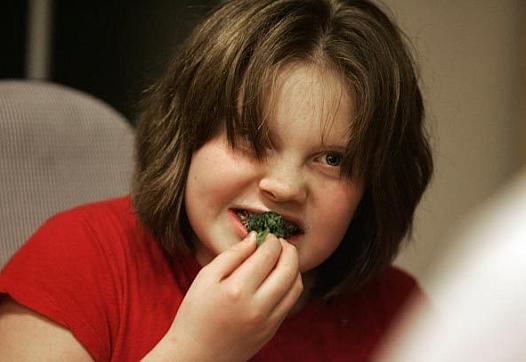
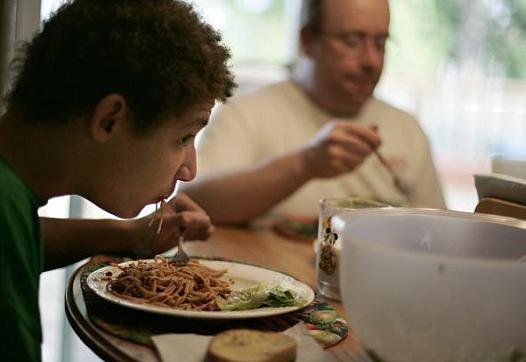
<p>Southern Arizona children are suffering from adult afflictions — and doctors blame it on a troubling surge in childhood obesity.</p> <p>In Arizona 31 percent of children between the ages of 10 and 17 are overweight or obese, experts say.</p> <p>Lifestyle, diet and genetics play a role, but the biggest common denominator among them is socioeconomic.</p>

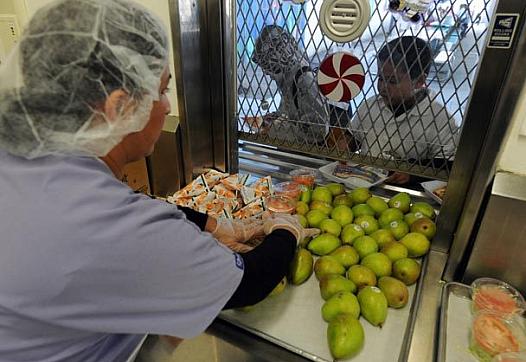
<p>A child's lifestyle, diet and genetics all play a role in their health, but the biggest obstacle to a child receiving good nutrition is socioeconomic.</p>

<p>When someone living in New York's West African Communities shows signs of mental illness, friends and family don't send the individual to a doctor. The community gathers up enough money to send them to Africa for treatment. Laura Starecheski reports from New York.</p>

<div class="node-body"><p>Serious depression is a growing problem for multicultural seniors. But unlike older whites, ethnic people 50-plus are blocked from treatment by poverty, limited or no insurance, lack of programs geared for them—and the stigma of mental problems that permeates many cultures. New America media senior editor Paul Kleyman reports his series on mental challenges for ethnic seniors.</p></div>