Akron, Ohio's Accountable Care Community has brought together a coalition of partners to reduce the number of residents suffering from chronic disease and treatment costs. Similarly, nonprofit hospitals elsewhere can do much more to improve the health of entire communities.
Chronic Disease
We all love firing up our cellphones to write a text or a tweet, or maybe to engage in a quick game of Candy Crush. But could we turn to the tiny glowing screens to get healthier, too?
For the 47 million Americans dependent on the Supplemental Nutrition Assistance Program (SNAP), the bad news keeps on coming. Cuts in November might be followed by billions more as Congress considers legislation.
My series for Voice of OC on immigrants' health decline as they live in the U.S began with a study that got my attention. It showed that life expectancy rates in the Orange County were higher for Latinos than whites. I was surprised for a couple reasons.
The U.S. locks up more individuals per capita than any other country in the world. We have 2.2 million people behind bars – up 500% from 30 years ago. This situation raises important questions for policy makers, and it’s a rich area for journalistic exploration.
Virginia houses approximately 30,000 inmates annually in state prisons, making the Department of Corrections the most expensive agency in Richmond, with a billion dollar annual budget. It spends $160 million on healthcare, but critics say that care is inadequate.
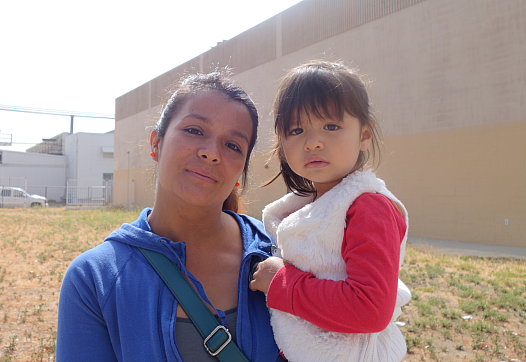
Low-income Mexican immigrants might be healthier than the overall U.S. population on some measures, but that health advantage fades as immigrants adjust to life in the U.S. That in turn can have worrying consequences when it comes to Latina birth outcomes.
Many people choose to eat a low carbohydrate diet. For most diabetics it becomes a necessary lifestyle change.
Getting coverage for the uninsured is a big part of the federal health-care reform, which goes into effect Jan. 1. Those just getting insured could require a huge amount of care and referrals, which stands to overburden providers until the system stabilizes.
Navigating the health-care system is difficult for many patients, but perhaps the most challenging for those who are undocumented and only speak Spanish.