

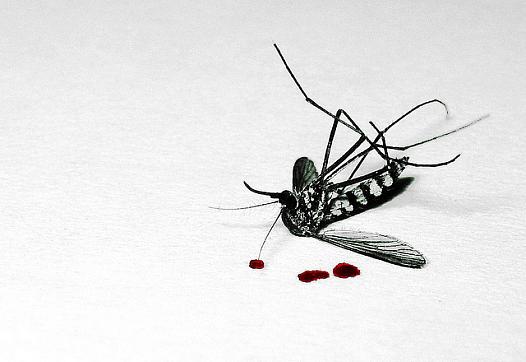
Zika virus has been generating a lot of news lately. But the reports haven't always been accurate. Dr. Seema Yasmin offers a quick primer and dispels a couple of myths for reporters filing stories on the epidemic as it spreads through the Americas.
Zika virus has been generating a lot of news lately. But the reports haven't always been accurate. Dr. Seema Yasmin offers a quick primer and dispels a couple of myths for reporters filing stories on the epidemic as it spreads through the Americas.

This week brought news of a compromise in the battle over new school lunch standards. It comes quick on the heels of new research that questions critics' claims of tossed food and lost revenues.

KCRW reporter Avishay Artsy set out to report on ethnic disparities in cancer outcomes. After originally planning on covering three groups, he found he was able to tell more compelling stories by narrowing his focus to African-Americans and colon cancer.
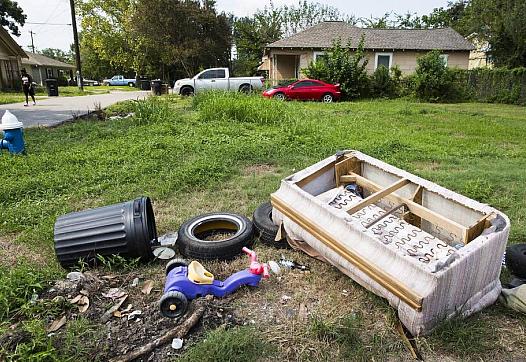
Like many streets in Houston’s Greater Fifth Ward, Worms Street offers the perfect environment for the spread of tropical diseases. Many of these infections aren’t new, but rising temperatures and poverty create a perfect storm for their spread.
![[Photo by Matthias Ripp via Flickr.]](/sites/default/files/styles/teaser_list_thumbnail_large/public/title_images/unnamed_26.jpg?itok=DBkjTu-6)
It's tempting to assume that another article on smoking's harms would be a non-story. But while smoking rates among African Americans are lower than national levels, this ethnic group continues to suffer disproportionately from chronic, preventable diseases caused by smoking.
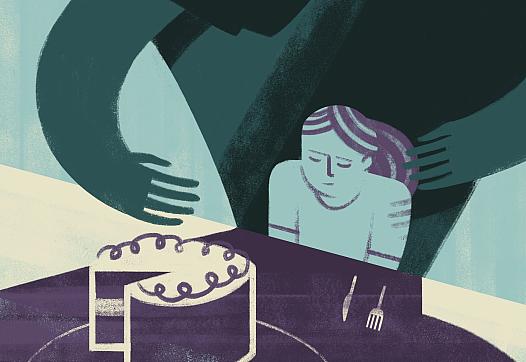
Victims of childhood sexual abuse are far more likely to become obese adults. New research shows that early trauma is so damaging that it can disrupt a person’s entire psychology and metabolism.
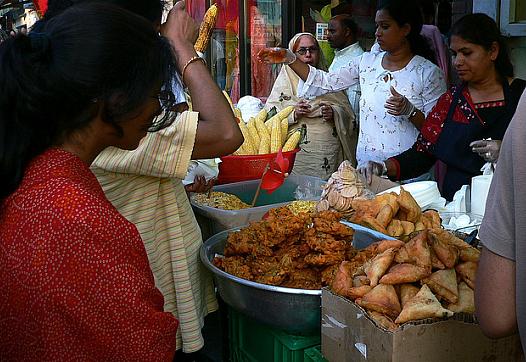
A reporting project on the rising incidence of diabetes among Indian communities finds virtue in taking an explanatory approach. "Linking our cuisine to impactful statistics and studies, I hoped, would grab the reader’s attention," California Fellow Parimal Rohit writes.
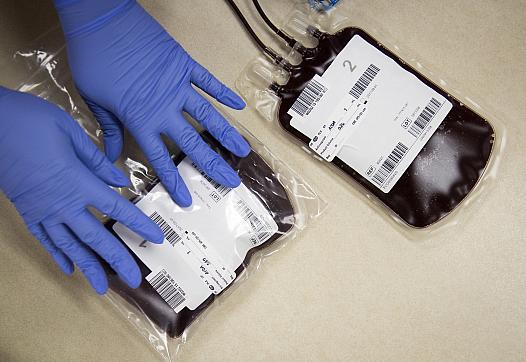
Patients receiving blood transfusions are at risk of infection with Chagas disease, a tropical illness, according to an investigation by The Dallas Morning News and broadcast partner KXAS-TV.
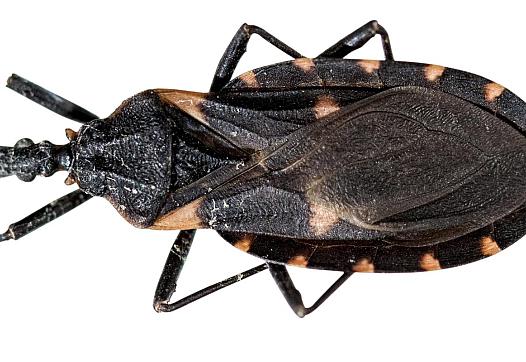
These seven tropical diseases are closer to home than you think. Lurking in Dallas-area backyards is Chagas disease, caused by a parasite that infects more than 300,000 Americans. The disease can cause heart failure and death in humans and dogs and is often missed by doctors.

If she hadn’t gone to donate blood, Candace Stark wouldn’t have discovered that she harbored a dangerous parasite. Although she hadn’t left Texas in 20 years, swimming in her blood was a tropical parasite that causes a disease called Chagas.