

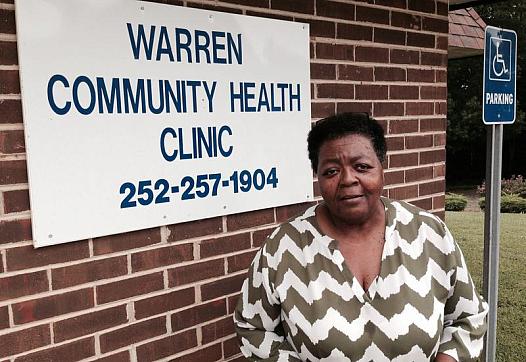
The closure was a big blow for Warren County, an area of the state considered a primary care desert, where doctors are few and patients are often forced to go without health care.
The closure was a big blow for Warren County, an area of the state considered a primary care desert, where doctors are few and patients are often forced to go without health care.
![[Photo by Ryan Vaarsi via Flickr.]](/sites/default/files/styles/teaser_list_thumbnail_large/public/title_images/unnamed_141.jpg?itok=zdY0qvUK)
Community clinics in Los Angeles know they have to find new ways to get at the social factors that ultimately shape health if they're going to make a real difference in their patients' lives.

While the drug’s $94,500 cost puts it out of reach of the uninsured patients who use the Florida clinic, the drug’s maker provides it for free to qualified, low-income patients.

UC Irvine recently announced a $200 million gift to establish a new college of integrative medicine. The press coverage revealed a long-running bias from the media toward alternative therapies, one supporter argues.
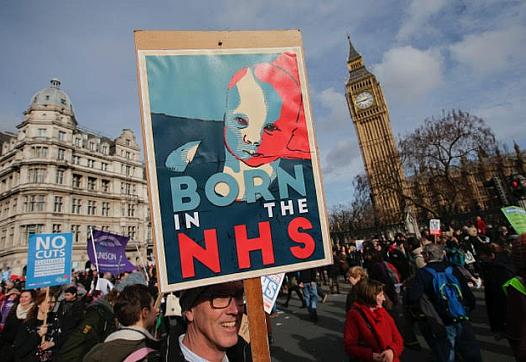
From Singapore to England, every country that has more successfully managed health care costs than the U.S. has chosen a path of self-discipline and free-market restraints.
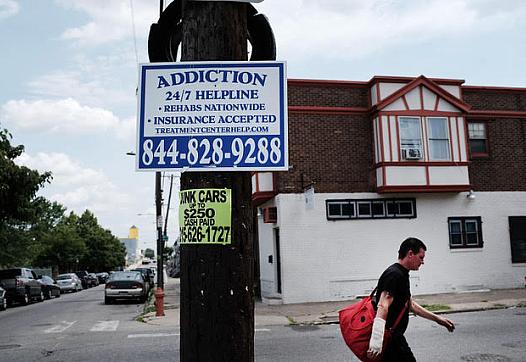
The opioid epidemic has given rise to an illicit gold rush as patient brokers and treatment centers profit off desperate addicts, funneling them to shoddy treatment centers and fraudulent “sober” homes at a profit of thousands per head.
![[Photo by Joe Raedle/Getty Images]](/sites/default/files/styles/teaser_list_thumbnail_large/public/title_images/GettyImages-495382800.jpeg?itok=UCEqtiFh)
While shoppers can often find health insurance with affordable premiums, many such plans carry deductibles and out-of-pocket costs that amount to severe punishment for anyone who falls ill.
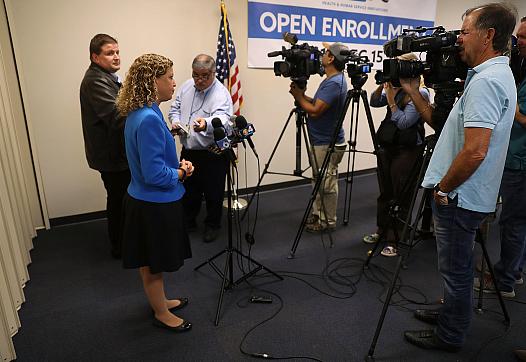
The research suggests that less advertising tied to the Affordable Care Act will lead to less informed consumers, fewer online visitors to health exchanges and lower enrollments.
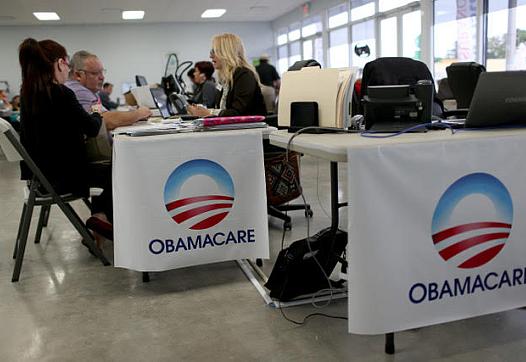
The CEO of the largest publicly operated health plan in the U.S. makes the case for why we should stop referring to the Affordable Care Act as Obamacare.
![[Photo by James Brooks via Flickr.]](/sites/default/files/styles/teaser_list_thumbnail_large/public/title_images/unnamed_145.jpg?itok=GPS_jnQx)